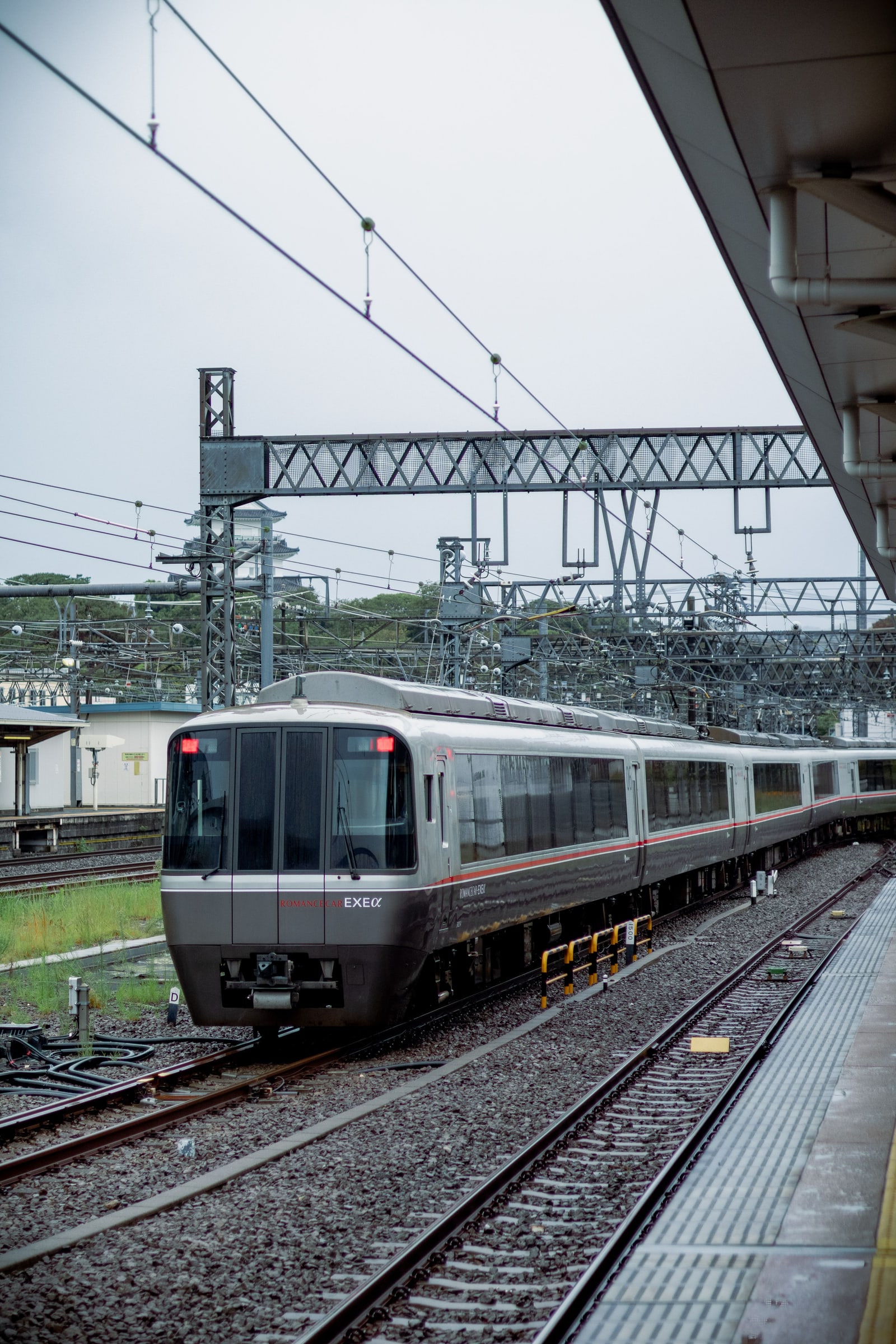
Shinjuku to Hakone-Yumoto costs the same fare on any Odakyu train: ¥1,270 (¥1,261 by IC card). The Romancecar adds ¥1,200 per adult each way, ¥1,150 online, and the Hakone Freepass does not cover it. For that: a reserved seat, no change at Odawara, about 80 to 85 minutes instead of about two hours. Four conditions decide it, in this order:
- What you already hold. A Japan Rail Pass changes the route; a Freepass does not change the fee.
- Which way. The morning outbound and the evening return are separate purchases.
- When you travel. Weekend, morning and evening trains and the observation seats sell out.
- The tie-break: bags and people. A suitcase, children or a group settle it.
Prices are Odakyu’s own, checked on October 5, 2026.
Already decided on the Romancecar?
Hakone Romancecar Coupon on Klook
A Hakone Romancecar coupon, sold through Klook. Check on the listing what it includes and how it becomes a seat before you pay.
Check the Romancecar coupon on Klook →Sold on Klook (Klook Travel Technology Limited), an online travel agency; the train is run by Odakyu. Before you pay, check on the listing what the coupon covers (the limited-express fee only, or the fare too; one way or both ways), how it becomes a seat on a set train, and the cancellation terms.
First: what you already hold
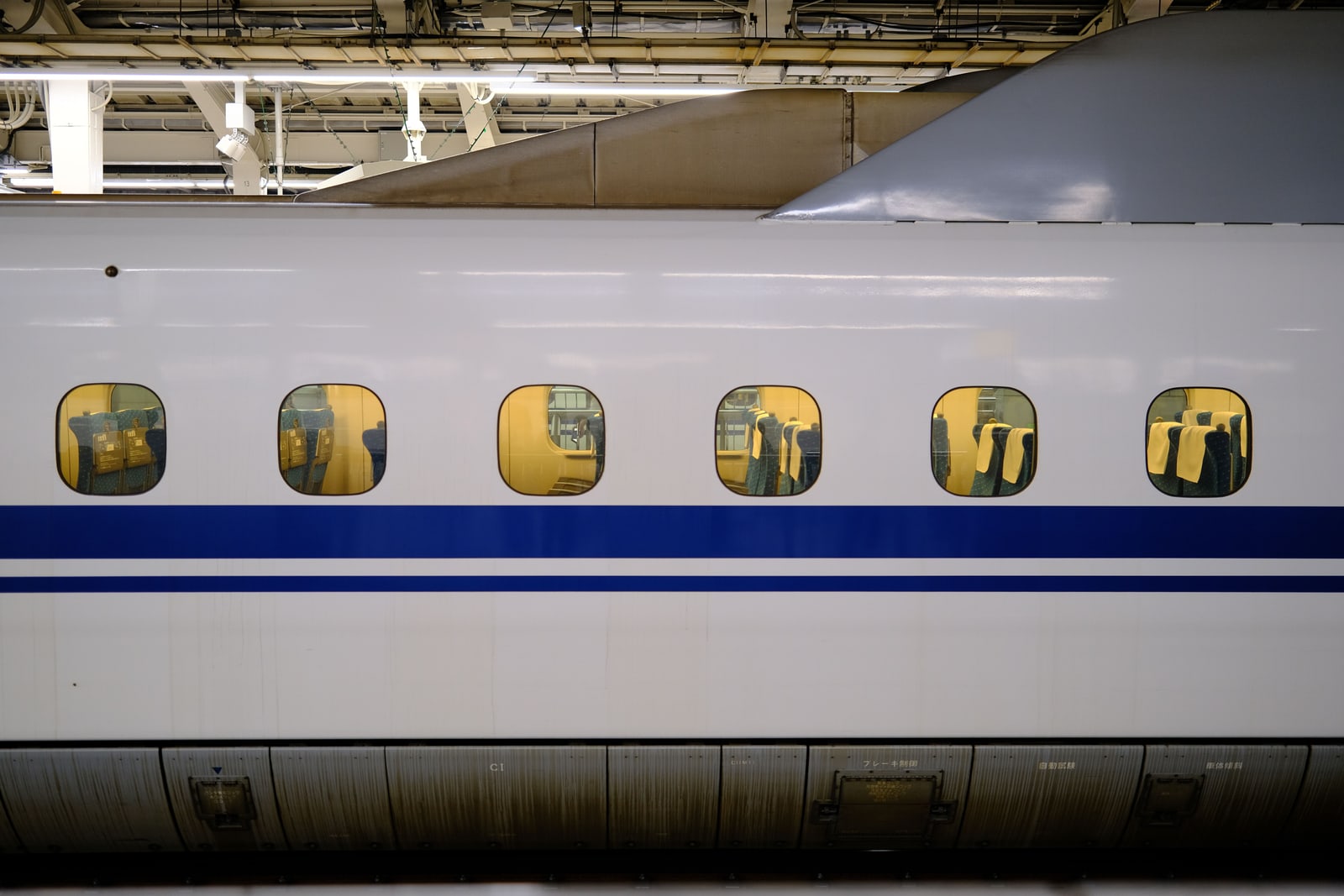
A Japan Rail Pass. If the pass is already in your pocket, the Romancecar is not your only fast train. JR’s Tokaido Shinkansen runs from Tokyo to Odawara, and the pass covers it; the pass site sets extra conditions only for the Nozomi and Mizuho, so take a Hikari or Kodama. From Odawara to Hakone-Yumoto is the Hakone Tozan line, which is not JR: ¥360, or included if you buy the Hakone Freepass from Odawara (¥6,000 for two days). Odakyu also sells the Romancecar for just that last stretch, Odawara to Hakone-Yumoto, for a ¥200 fee, but only on the platform and only when seats are free that day.
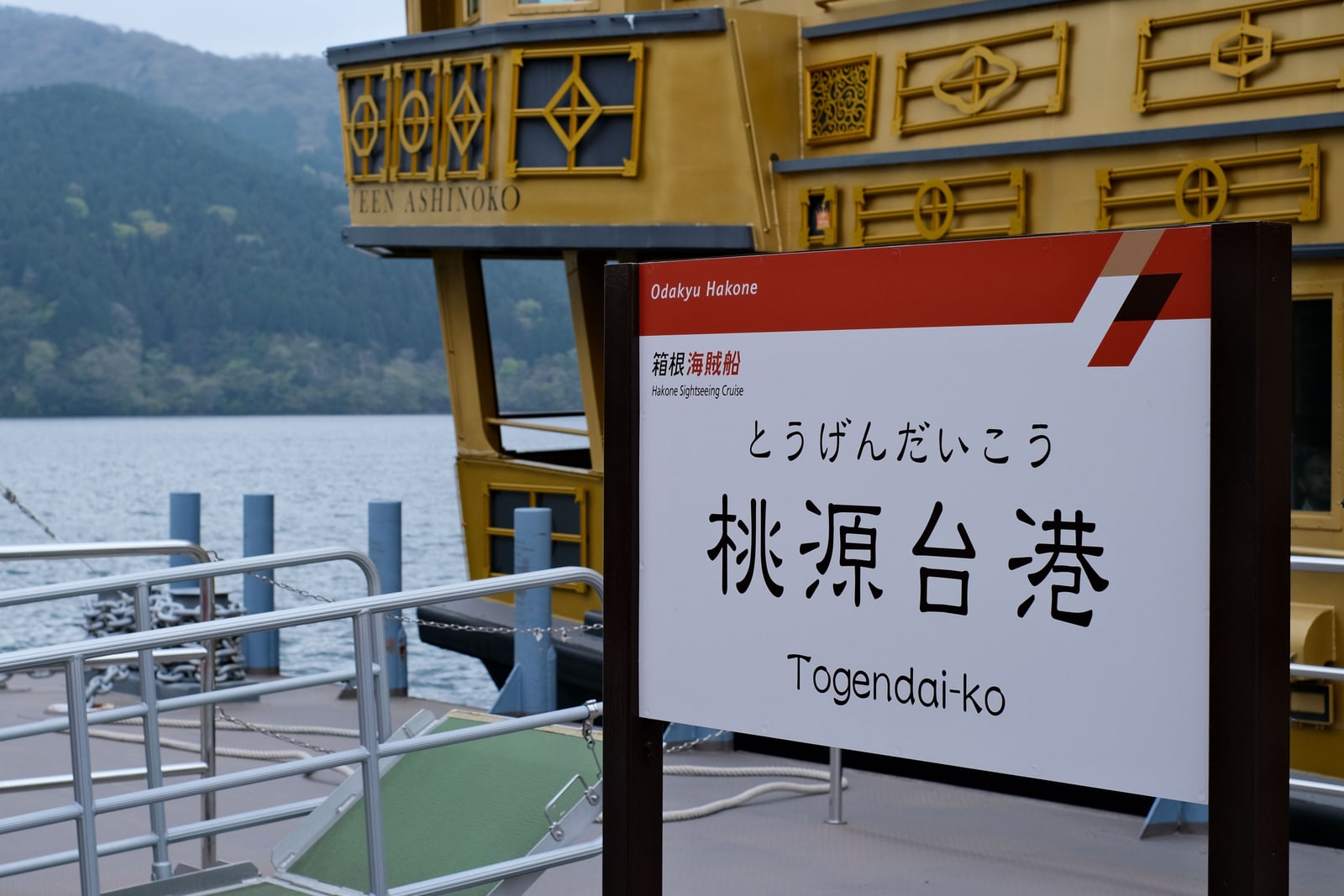
A Hakone Freepass from Shinjuku. The pass (¥7,100 for two days, ¥7,500 for three) includes a round trip on the Odakyu line between Shinjuku and Odawara, plus the trains, buses, ropeway and boat inside Hakone. It does not include the Romancecar. With the pass, the Romancecar costs you the fee only: ¥1,200 each way, ¥1,150 online. Odakyu prints the total itself: ¥8,300 for the two-day pass plus one Romancecar.
Nothing yet. You pay the fare either way. The Romancecar is the fare plus the fee; the regular train is the fare alone.
| From Shinjuku, one adult, one way | Time to Hakone-Yumoto | You pay | Seat |
|---|---|---|---|
| Romancecar, no pass | about 80–85 min, no change | ¥1,270 fare + ¥1,200 fee = ¥2,470 (¥1,150 fee online) | reserved |
| Regular Odakyu train, no pass | about 2 hours, change at Odawara | ¥1,270 (¥1,261 by IC card) | not guaranteed |
| Romancecar with the Freepass | about 80–85 min | ¥1,200 fee (¥1,150 online) | reserved |
| Regular train with the Freepass | about 2 hours | nothing more | not guaranteed |
| Japan Rail Pass holder | Shinkansen to Odawara, then Hakone Tozan line | ¥360 from Odawara (or the Odawara Freepass) | Shinkansen rules |
Children pay half the fee (¥600 at the counter). A child under six who takes a seat of their own needs a child fee and fare.
Second: which way you ride it
The fee is charged per ride, so outbound and return are two separate decisions.
Outbound, in the morning. This is where the 40 minutes count most, because they come off the start of a day that ends with the last train back. If it is a day trip, the earlier you are standing at Hakone-Yumoto, the more of the loop you can ride.
The return, in the evening. Here the trade is different. The regular train means a change at Odawara and no promised seat at the end of a long day. The Romancecar means a fixed departure: if your seat is on a 17:00 train, you leave Hakone at 17:00. The last Romancecar from Hakone-Yumoto to Shinjuku leaves at 19:50 on weekdays and 19:52 on weekends and holidays (timetable from March 14, 2026).
So:
- If your day has a firm end time (dinner booked in Tokyo, a late flight), reserve the return too.
- If your return time is open, you can buy at a Hakone-Yumoto ticket machine when you know your train, if seats remain, or take the regular train.
- If you stay overnight, the return is a fresh morning, and the outbound logic applies again.
Third: when you travel
All Romancecar seats are reserved, and they go on sale at 10:00 a.m. Japan time, one month before the departure date. Odakyu itself warns that morning and evening Romancecars may sell out even on weekdays. That makes the date the third condition:
- A weekday midday train: fewer warnings apply, but no train is promised until you have booked it.
- A weekend, a holiday, or a morning or evening train: book as soon as your date is fixed, from the one-month mark.
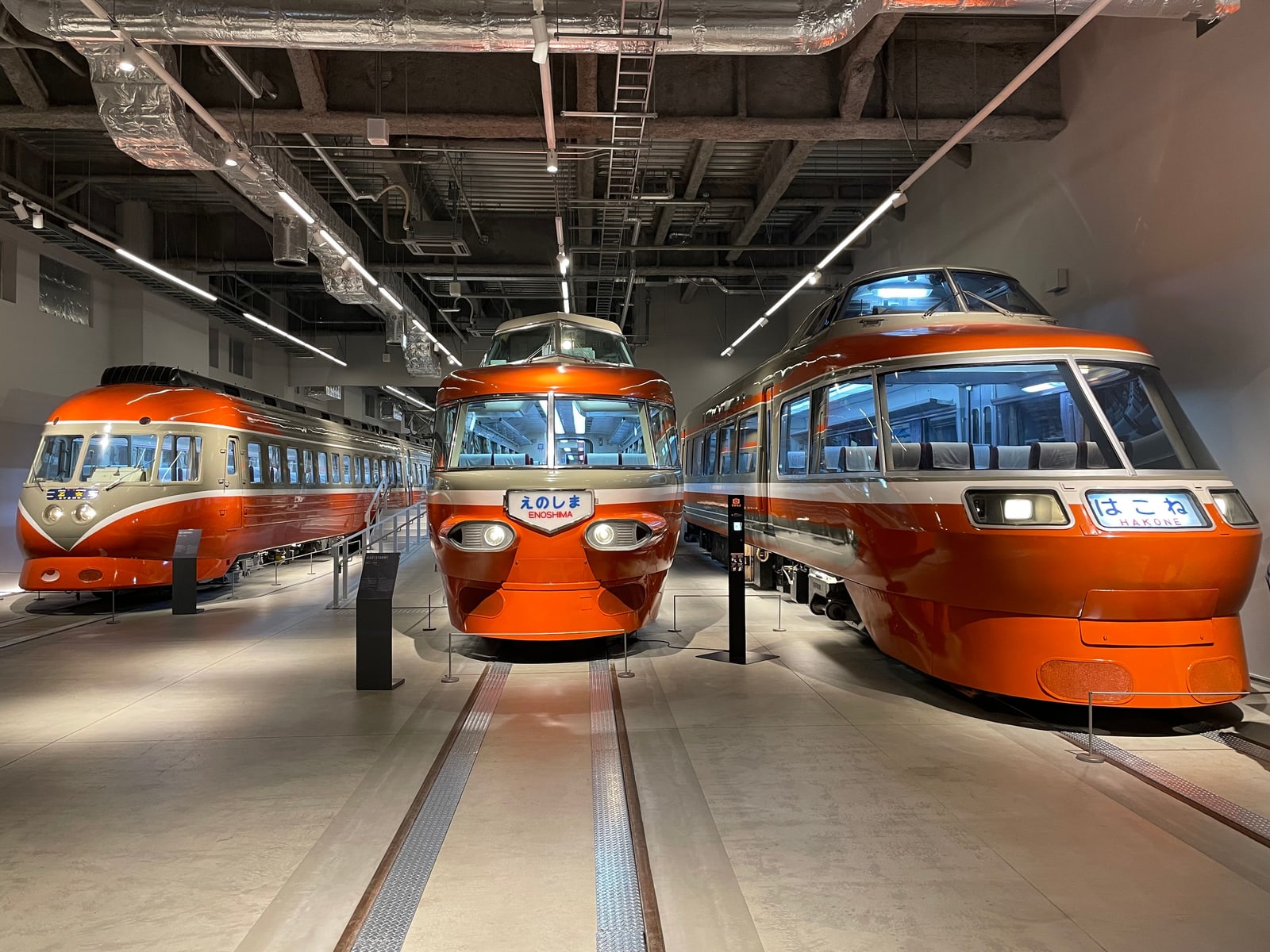
- The observation seats: only the GSE (the 70000 series) has them, 16 seats at the very front and 16 at the rear, and they cost the same as any other seat. Odakyu says they often sell out right after sales open, and it publishes a monthly schedule of which trains run as GSE. If you want those seats, you are booking at 10:00 a.m. Japan time, one month out.
If the train you want has sold out, the regular train is still there: same fare, no reservation, about two hours.
Fourth, the tie-break: bags and people
If the first three conditions leave you undecided, this one usually settles it.
With luggage. The regular trains have no reserved seats, and you change at Odawara. Odakyu says the GSE has space for large luggage and room under the seats for small bags, and the EXEα has a luggage area for suitcases. If you’re moving a suitcase to an inn, the reserved seat and the space for bags are what you’re paying for.
With children or a group. Seats on the regular train are first come, first served. A reservation is the only way to know you’ll sit together for the whole ride. The children’s fee is half.
Light bags, flexible plans, one or two people. The regular train costs nothing extra. Ride it and spend the ¥2,300 round-trip fee in Hakone.
Booking it: where the decision ends
If the conditions above point to the Romancecar, you have three ways to buy:
- Odakyu’s own online service, EMot Online Tickets. This is the ticketless fee at ¥1,150, ¥50 less than at a station, and you choose your train and seat. Sales open at 10:00 a.m. Japan time one month before.
- A station ticket machine or an Odakyu Sightseeing Service Center. ¥1,200, on the day or ahead, while seats remain.
- An online travel agency such as Klook, if you would rather book through an account you already use. Check what the product includes before you pay.
Remember the fee and the fare are separate. With a Freepass, or with an IC card for the fare, the fee is all you buy.
Booking the Romancecar from Shinjuku?
Hakone Romancecar Coupon on Klook
Klook sells a Hakone Romancecar coupon for this line. The listing says what it covers and how you turn it into a seat; read that before you pay.
Check the Hakone Romancecar coupon on Klook →Sold on Klook (Klook Travel Technology Limited), an online travel agency; the train is run by Odakyu. Before you pay, check on the listing what the coupon covers (the limited-express fee only, or the fare too; one way or both ways), how it becomes a seat on a set train, and the cancellation terms.
A worked Saturday, from Shinjuku
One adult, a Saturday day trip, the Hakone loop, booked online:
- One month before, 10:00 a.m. Japan time: buy a morning Romancecar, Shinjuku to Hakone-Yumoto: ¥1,150.
- On the day: the two-day Hakone Freepass from Shinjuku, ¥7,100, covers the fare and the loop.
- The return: if dinner in Tokyo is booked, reserve the evening Romancecar as well (another ¥1,150; the last one leaves at 19:52 on Saturdays). If not, take the regular train back on the pass for nothing more.
That’s ¥9,400 with both Romancecars, ¥8,250 with one. The same day without the Romancecar is ¥7,100, about 80 minutes more time on trains, and a change at Odawara each way.
Next
Pick your travel date, then let the first condition that applies decide. A Japan Rail Pass sends you to Odawara by Shinkansen. A weekend morning means booking the outbound Romancecar at the one-month mark. A suitcase means reserving both ways. If none of these apply, the regular train is fine.
If you haven’t decided on the pass, read whether the Hakone Freepass is worth it. If you’re weighing a guided tour instead, see Hakone day tour or on your own.