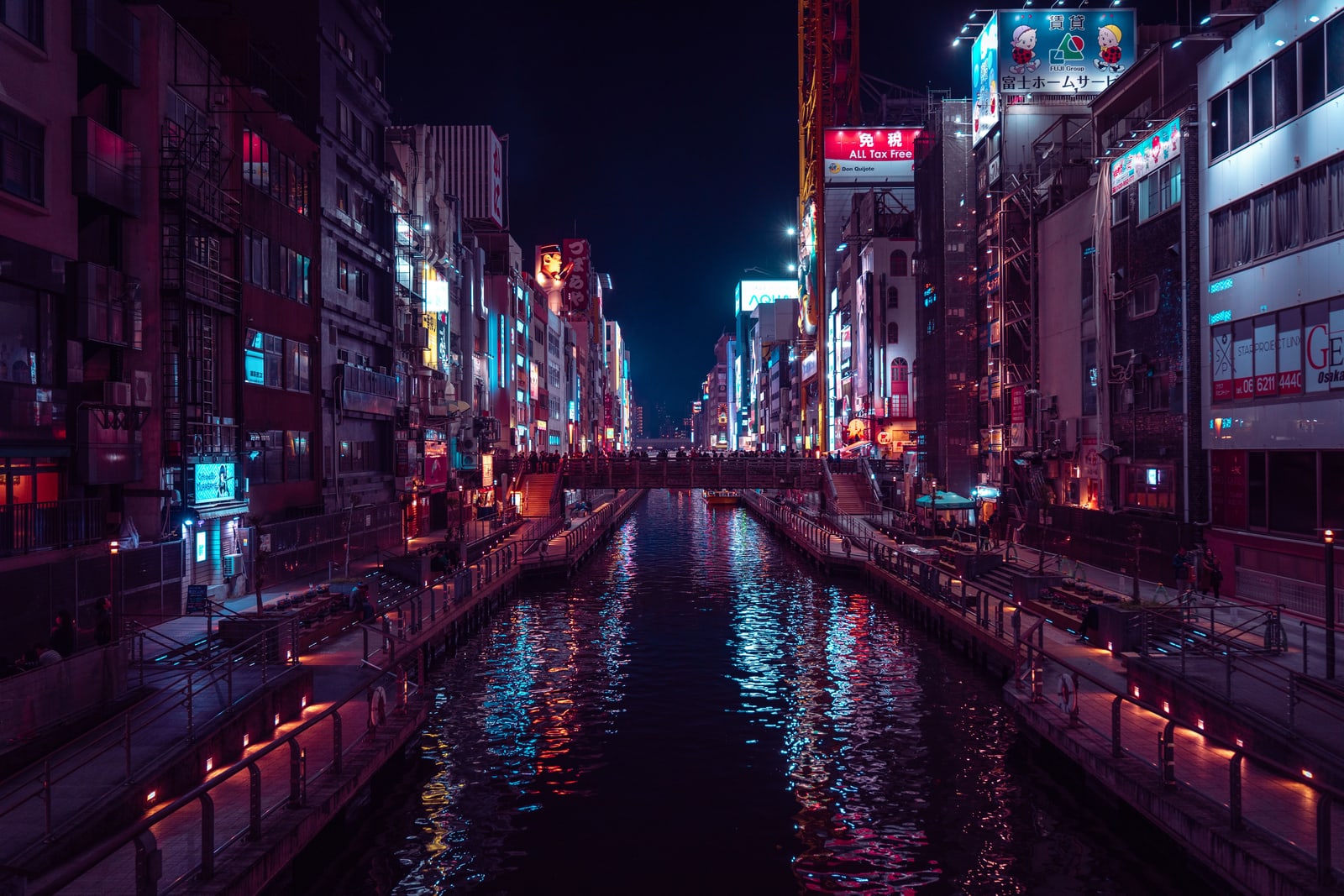
One day in Osaka holds the castle and one half of the city. Start at Osaka Castle when the main tower opens at 9:00. Then choose: Minami (Shinsekai, Kuromon, Dotonbori) if you came for food and the streets after dark, or Kita (Umeda) if you came for a view. Doing both halves properly takes a second day, and so does Universal Studios Japan.
The order of those choices is set by four conditions, first to last: where your day starts, the castle’s clock, which half you pick, and whether the ¥3,500 one-day Osaka Amazing Pass costs less than the entry fees and train rides on that route. On the Minami route with a deck and a canal cruise, it does. On a food-only day, or for a child, it does not.
Opening hours and entry fees below are the operators’ own, checked on October 20, 2026; train fares were checked earlier in October.
Spending the day on the castle, Tsutenkaku and a canal cruise?
Osaka Amazing Pass (1-day or 2-day, digital) on Klook
The 1-day Osaka Amazing Pass covers Osaka Metro rides and entry to all three. Their adult fees add up to ¥4,700 before the first train ride.
Check the Osaka Amazing Pass on Klook →Sold on Klook (Klook Travel Technology Limited), an online travel agency. The pass's own website links to a digital sale through SURUTTO QRtto. Before you book, check on the listing which version you are buying (1-day or 2-day), the price in your currency, how the QR code reaches your phone, and the cancellation terms.
First: where your day starts
The Midosuji subway line is the spine of a one-day route. It runs north to south through Shin-Osaka (M13), Umeda (M16), Yodoyabashi (M17) and Namba (M20), and on to Dobutsuen-mae (M22) by Shinsekai. A single ride costs ¥190 to ¥390.
From an Osaka hotel, nothing is decided by the start: be at the castle for 9:00 and pick the half later.
From Shin-Osaka (the Shinkansen stop, not Osaka Station), Umeda is three stops south and Namba seven. If you arrive with luggage, leave it before the castle; the morning is the part of the day with a fixed time.
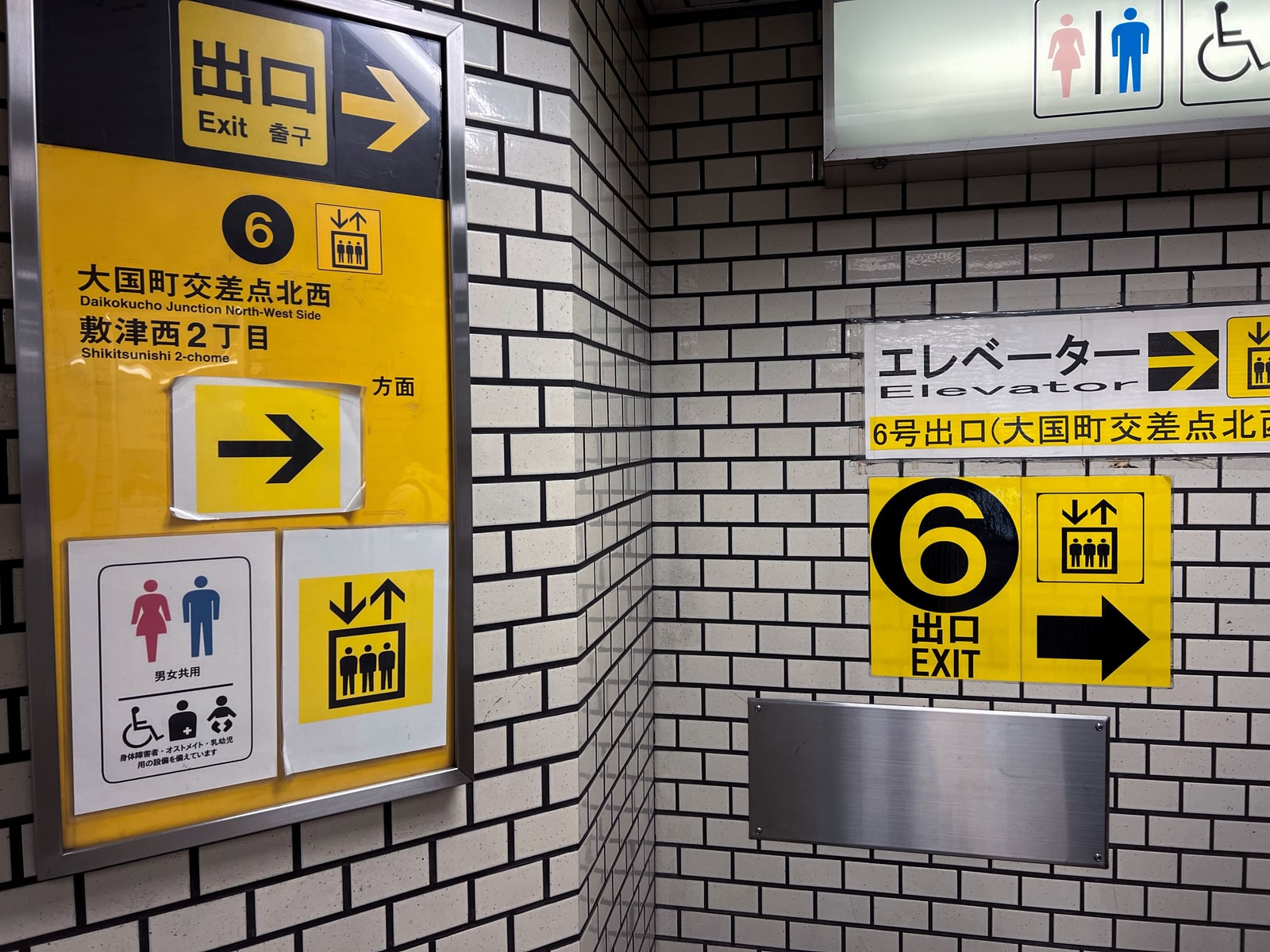
From Kyoto, the ride in decides where you land, and it is not on the Amazing Pass. The pass covers private railways “mainly running in Osaka City”, so the Kyoto leg is a separate fare:
- JR Special Rapid to Osaka Station: about 30 minutes, ¥580. You land in Kita.
- Hankyu, Kyoto-kawaramachi to Osaka-umeda: about 45 minutes, ¥410. You land in Kita.
- Keihan Limited Express, Gion-Shijo to Yodoyabashi: about 48 minutes, ¥490. You land on the Midosuji Line, between Umeda and Namba.
Going back, the last weekday Hankyu train from Osaka-umeda that runs through to Kyoto-kawaramachi is the 23:45 Express. The trains after it stop short of Kyoto. On Hankyu, then, Dotonbori after dark fits a Kyoto day trip: the cruise and the tower close well before that train. On JR or Keihan, check the last train on the day; it is not checked here.
From Kansai Airport on the day you land, there is a separate KIX version of the pass: 28 hours for ¥5,300, with a one-way Nankai ride from the airport to Namba included. It is on sale from October 1, 2026.
Second: the castle sets the morning clock
Of the timed stops on either route, the castle closes first. The main tower is open 9:00 to 18:00, last entry 17:30, and the castle’s guide page adds that staff may cut the ticket line earlier if the crowd calls for it. It is closed December 28 to January 1.
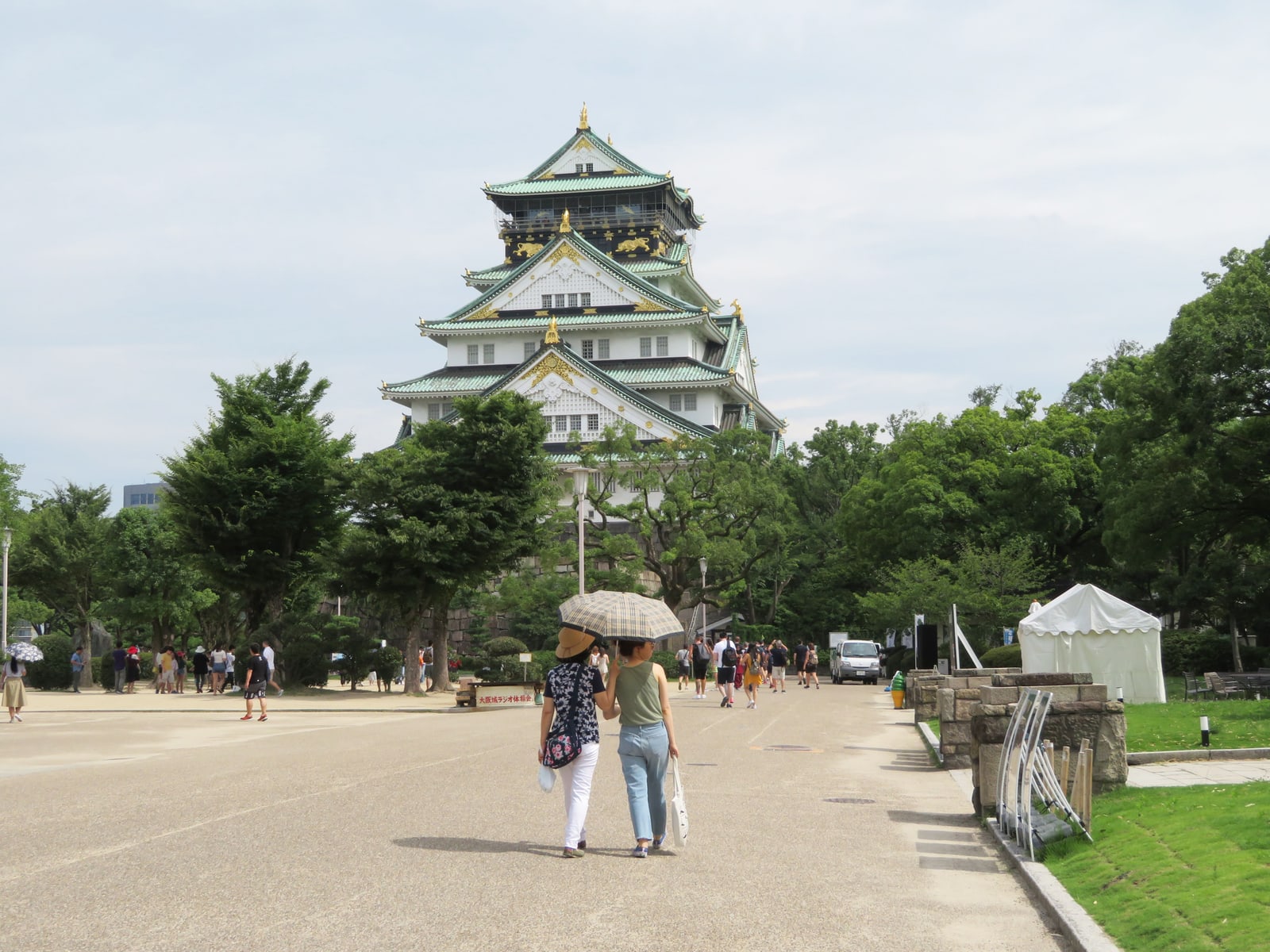
Admission is ¥1,200 for adults, ¥600 for high school and university students with ID, and free for junior high age and younger, with proof of age (a passport works for visitors from abroad). With the Amazing Pass, the tower and the Toyotomi Stone Wall Museum are both included, on the same day.
Everything else on the route stays open late: Tsutenkaku until 21:15, the Dotonbori canal cruise until its 21:00 departure, the Umeda observatory until 22:00. Put the castle anywhere but first and you are racing its 17:30 cutoff.
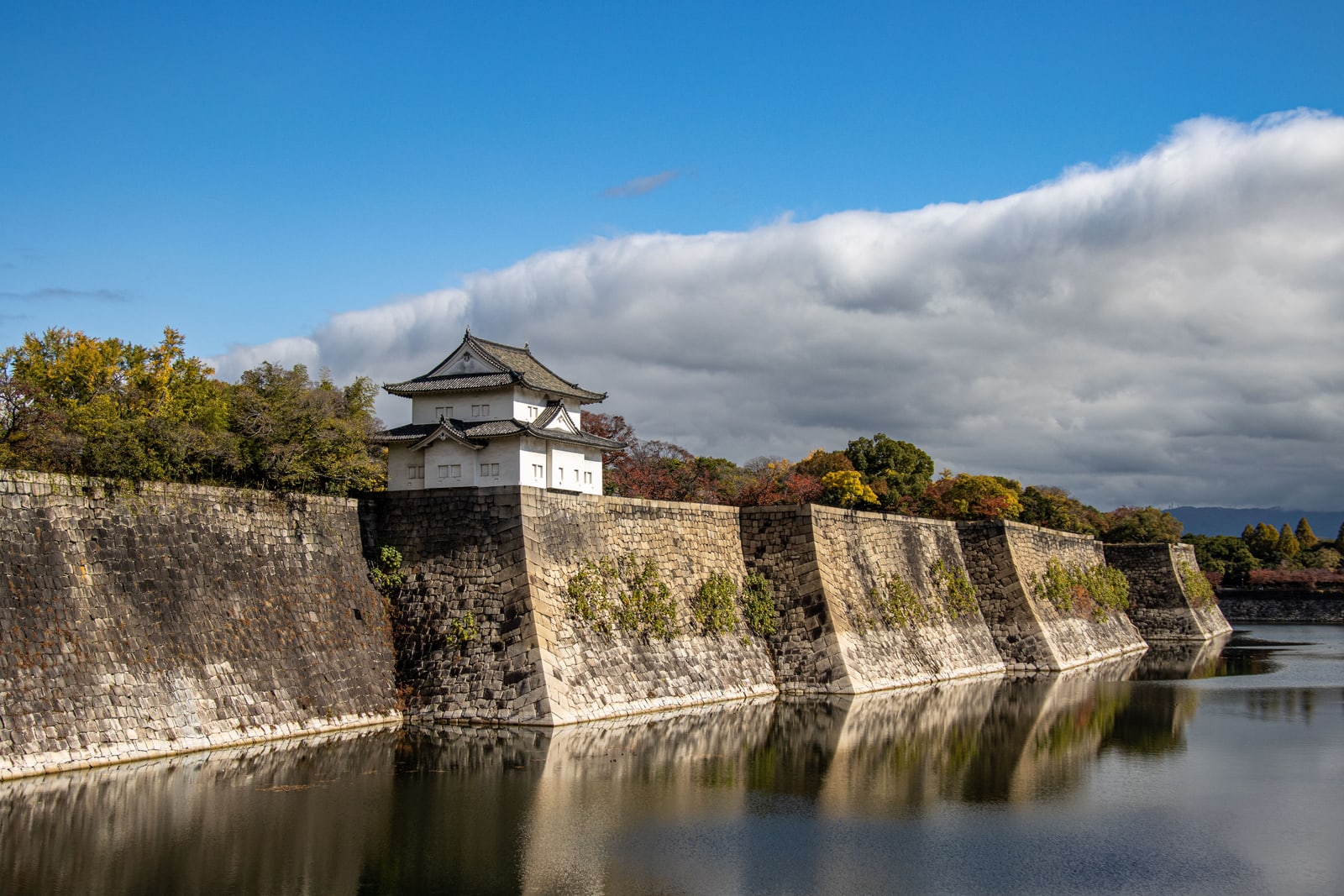
The grounds cover more than the tower. The pass also includes the Nishinomaru Garden (9:00 to 17:00 from March to October, to 16:30 from November to February, closed Mondays) and the Gozabune boat on the moat (10:00 to 16:30). If you are traveling on a Monday, the garden is out.
Stations for the castle: Tanimachi 4-chome (Tanimachi and Chuo lines), Morinomiya, Osaka Business Park and Temmabashi.
Third: Minami or Kita for the rest of the day
After the castle, pick one half. The pass’s own list of about 40 spots is grouped the same way: Kita around Umeda, Minami around Namba and Dotonbori, Minami around Shinsekai and Tennoji, the castle, and the bay. With one day, the bay (Tempozan and Nanko) is a third direction. Leave it out unless the aquarium is the reason for the trip.
Minami, if you came to eat and to see the streets at night
The order runs south to north, so you finish where the lights are.
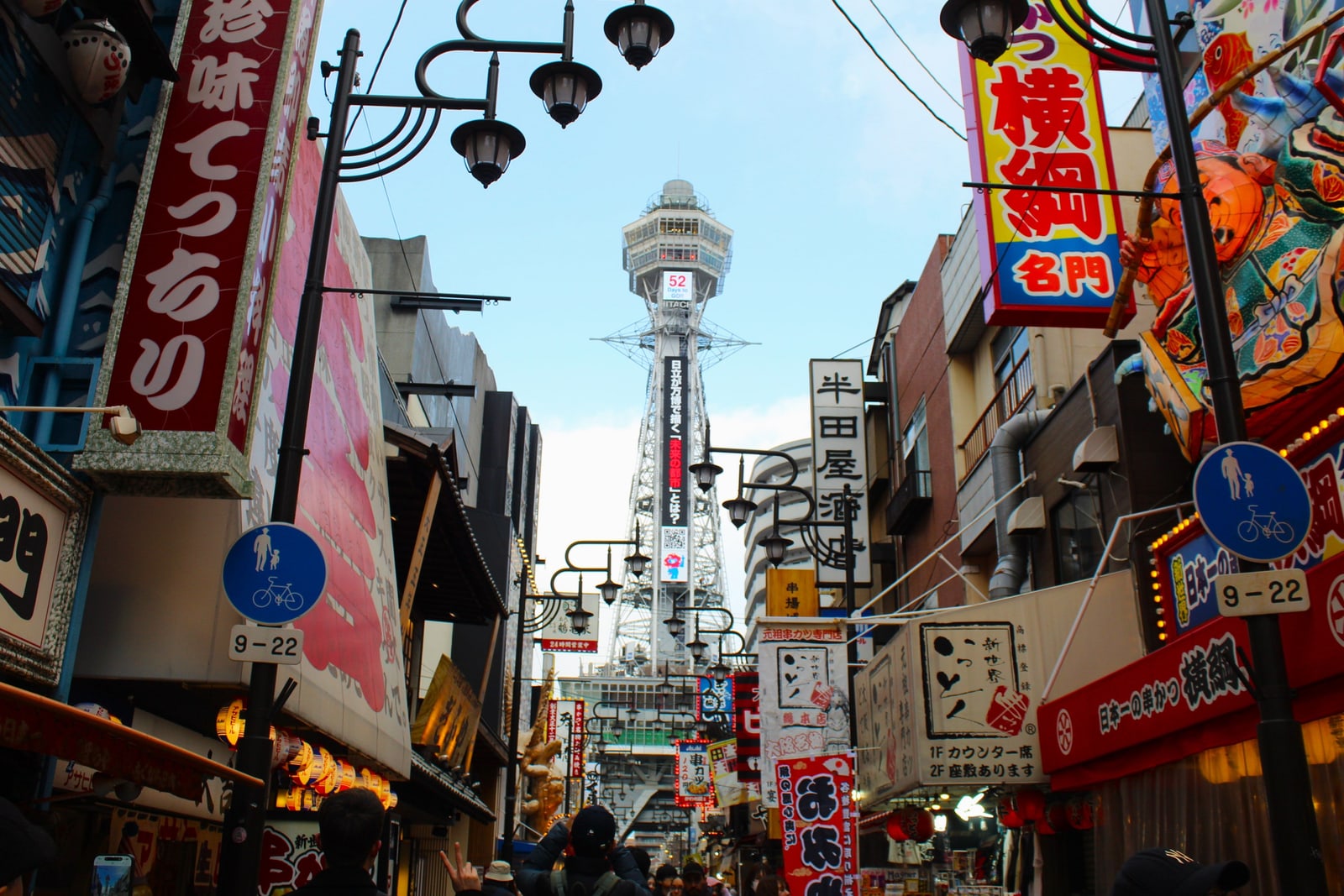
Tsutenkaku and Shinsekai, late morning. Ebisucho (Sakaisuji Line) or Dobutsuen-mae (Midosuji Line). The general observation deck is ¥1,500 for adults and ¥800 for ages 5 to 14, open 9:00 to 21:45, last entry 21:15. Every ticket needs an entry time. Pass holders book theirs at the counter on the day, not online.
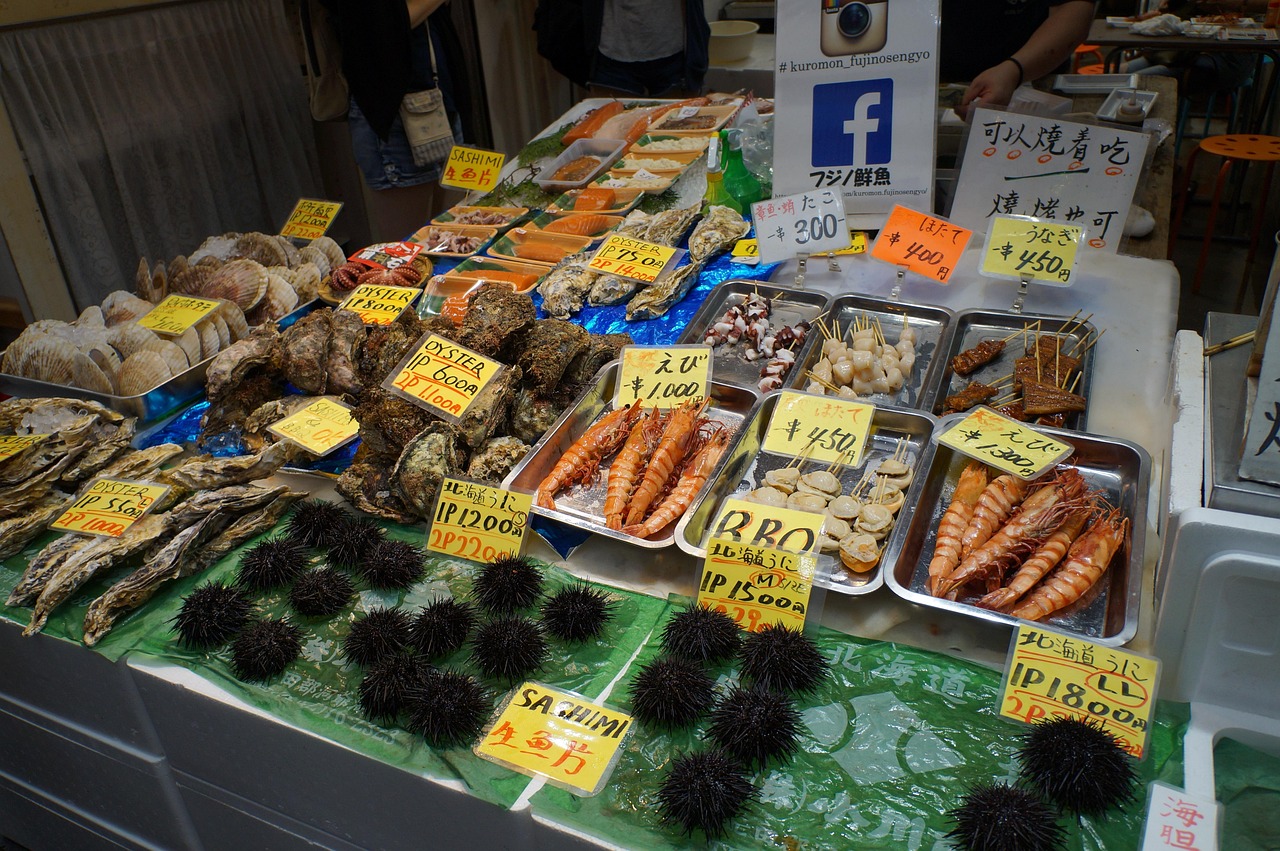
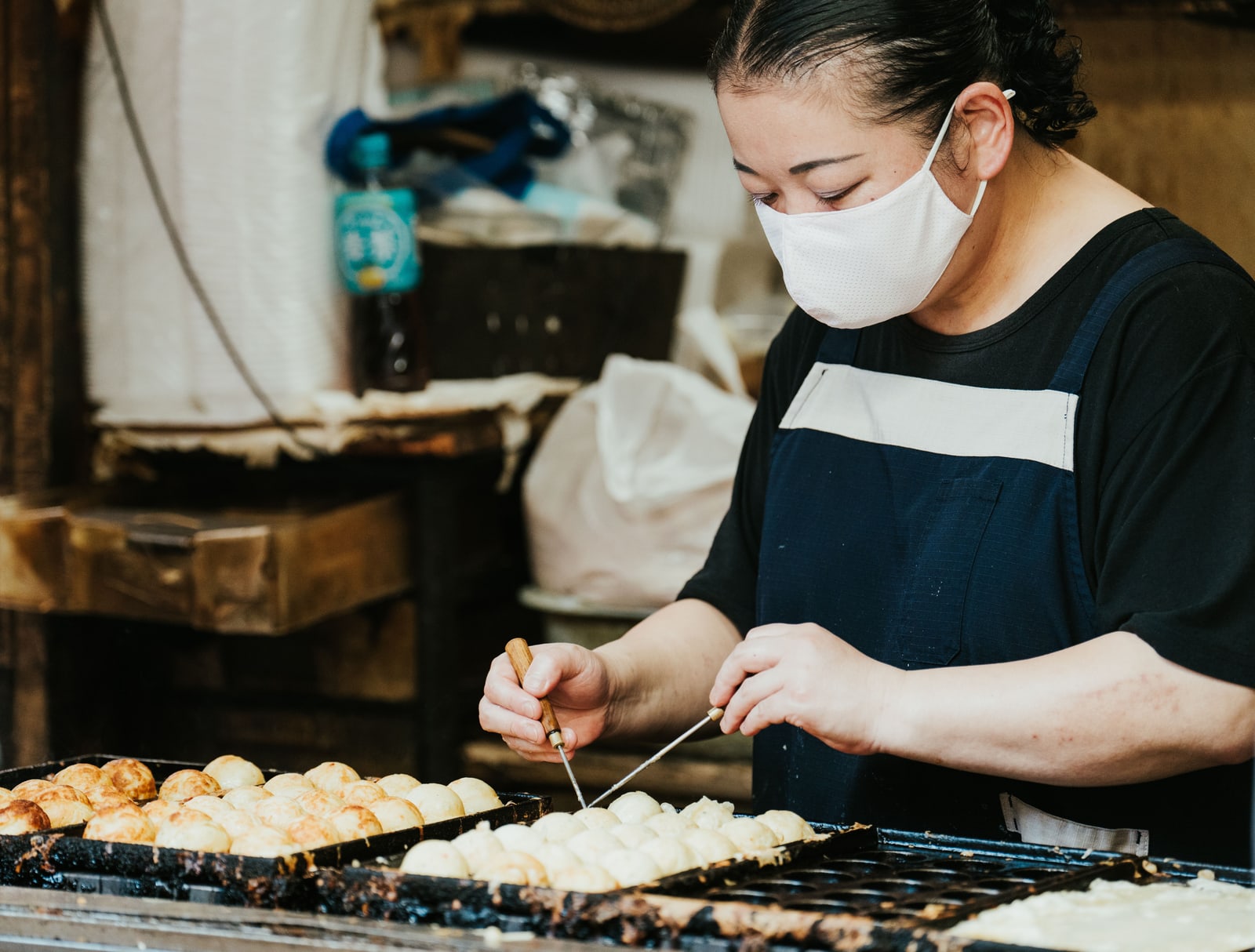
Kuromon Market, early afternoon. About 150 shops, wholesale and retail, trading since the late Edo period. Neither of the market’s own bodies publishes one opening or closing time; hours vary by shop. Treat it as a daytime stop, not the end of the evening.
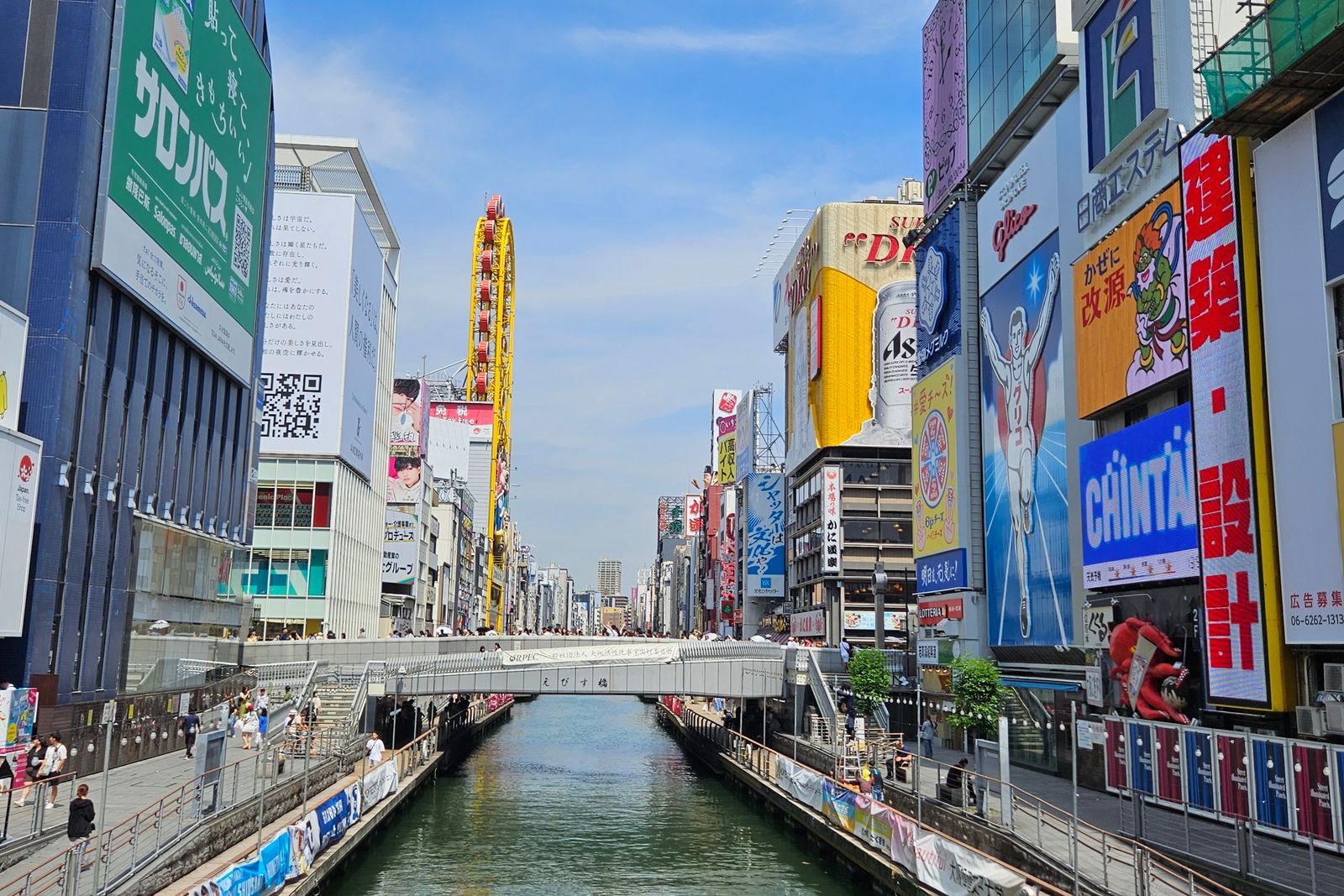
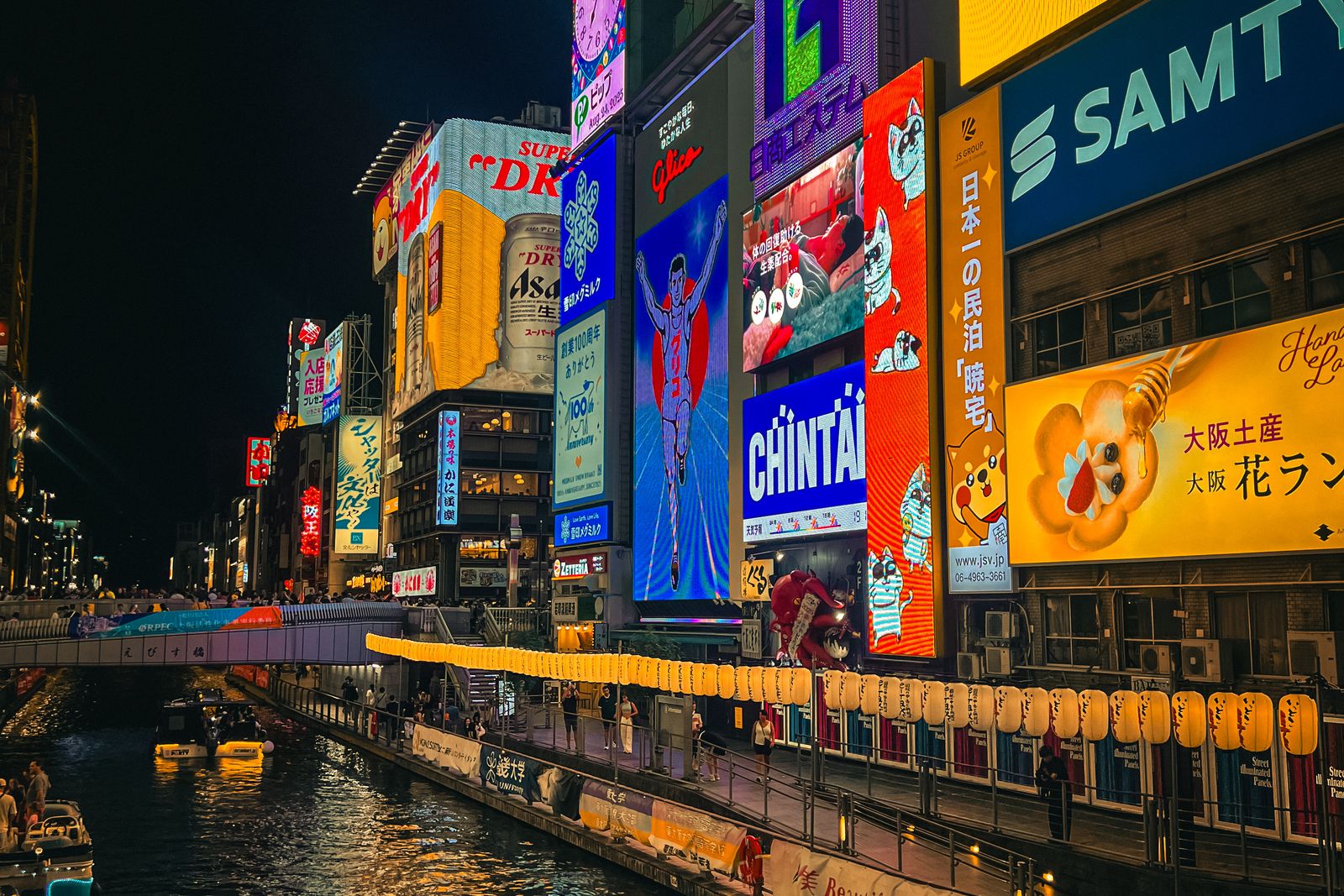
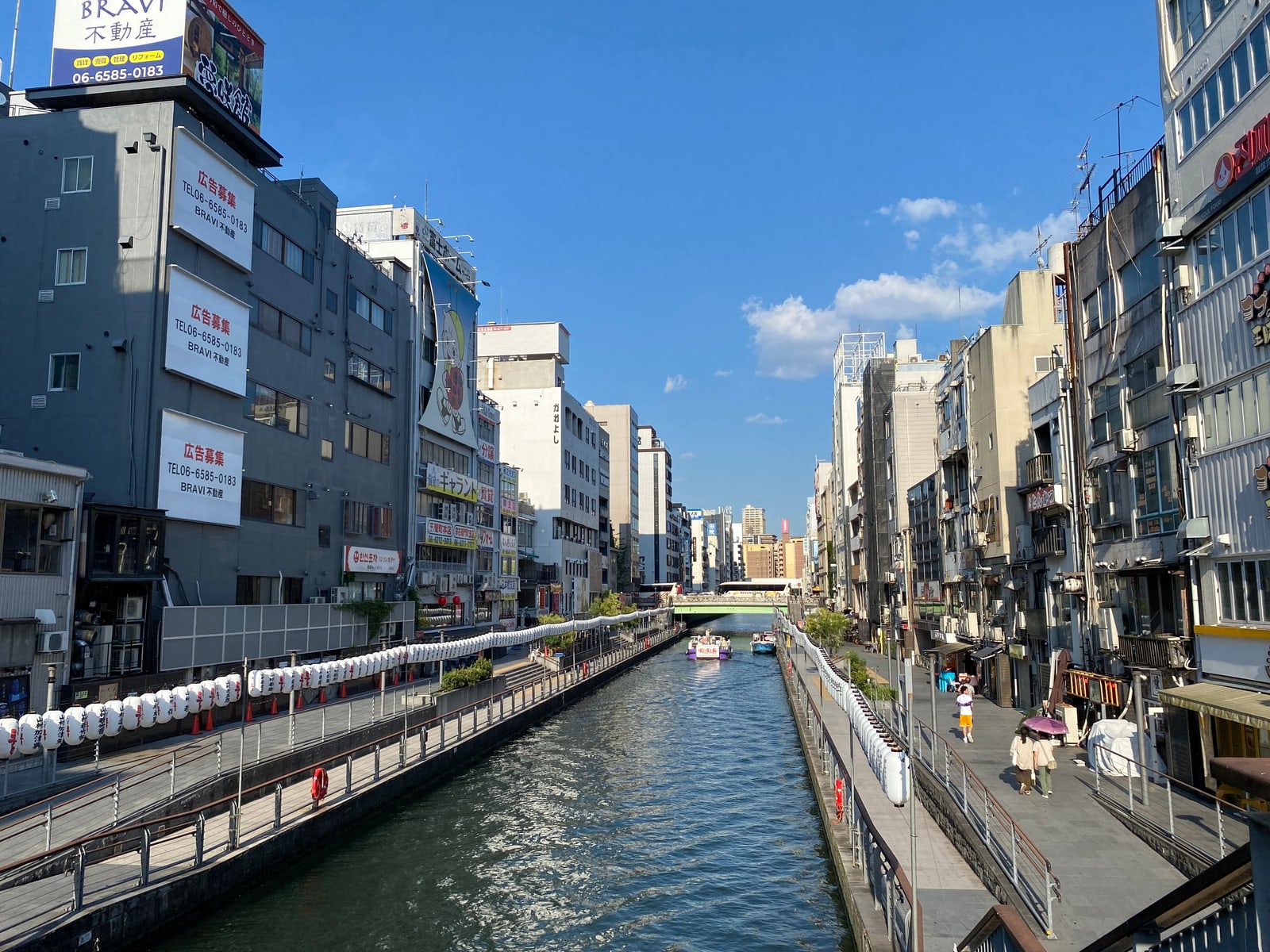
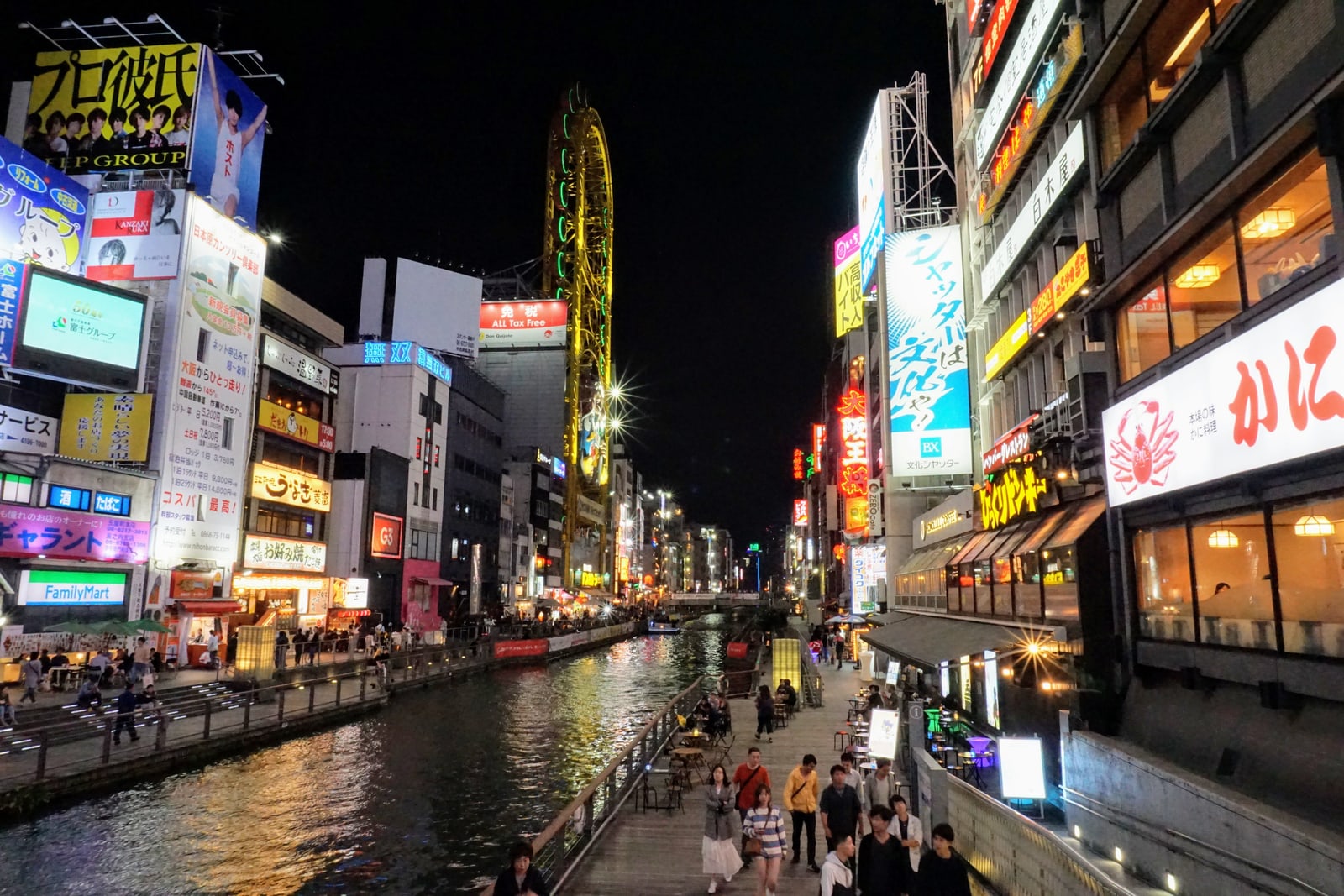
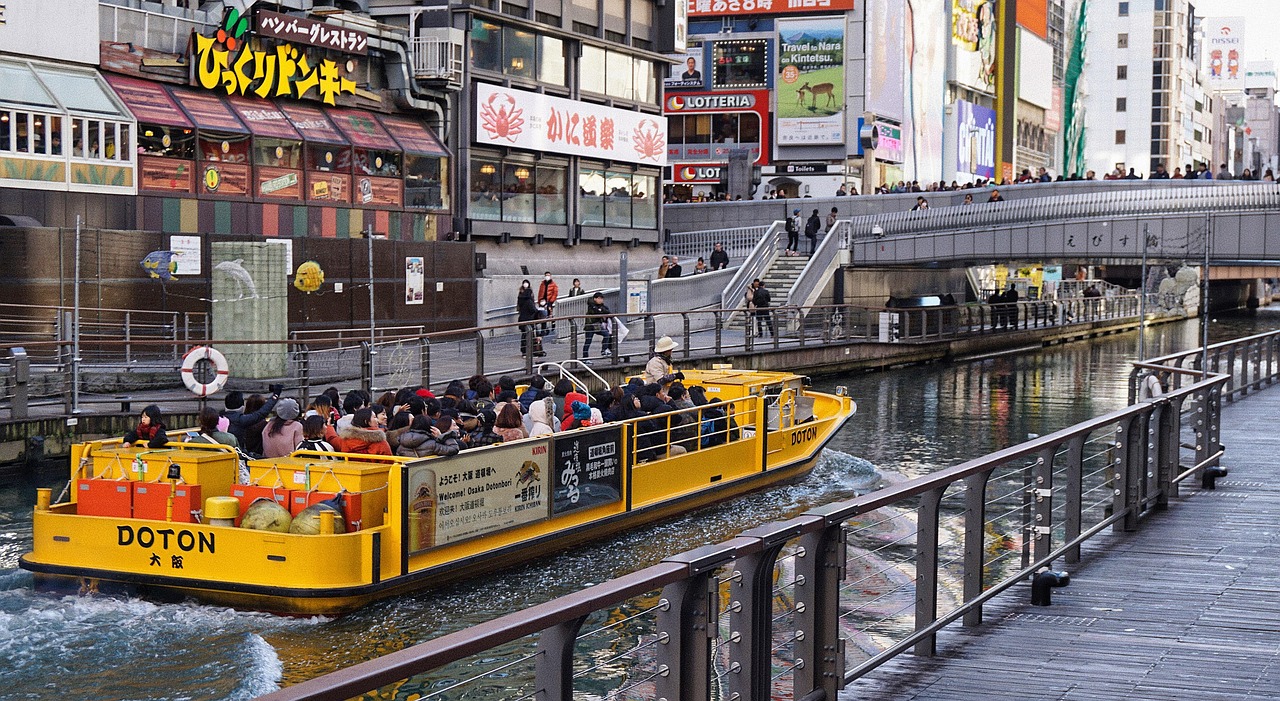
Dotonbori, from dusk. By day it is a canal with unlit signs. The Tombori River Cruise leaves on the hour and the half hour from 11:00 to the 21:00 departure, takes about 20 minutes, and costs ¥2,000 for adults, ¥1,000 for students from junior high, and ¥500 for elementary-school children. It boards at the Tazaemon-bashi pier, on the north bank beside the river-side entrance of Don Quijote Dotonbori, the building with the yellow oval Ferris wheel. Tickets are issued on the day only; pass holders exchange the QR code at the reception desk for a set departure.
Kita, if you came for a view
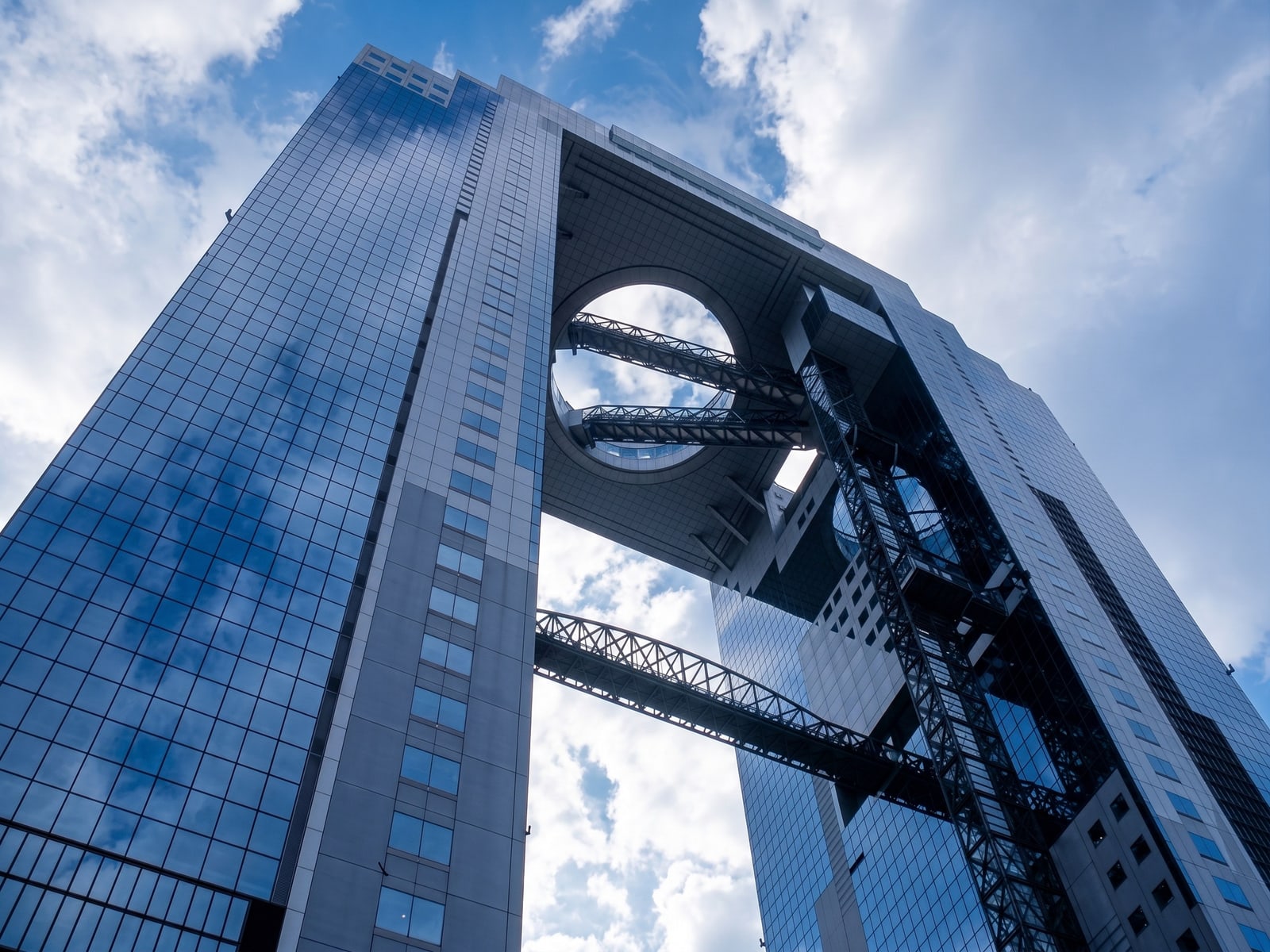
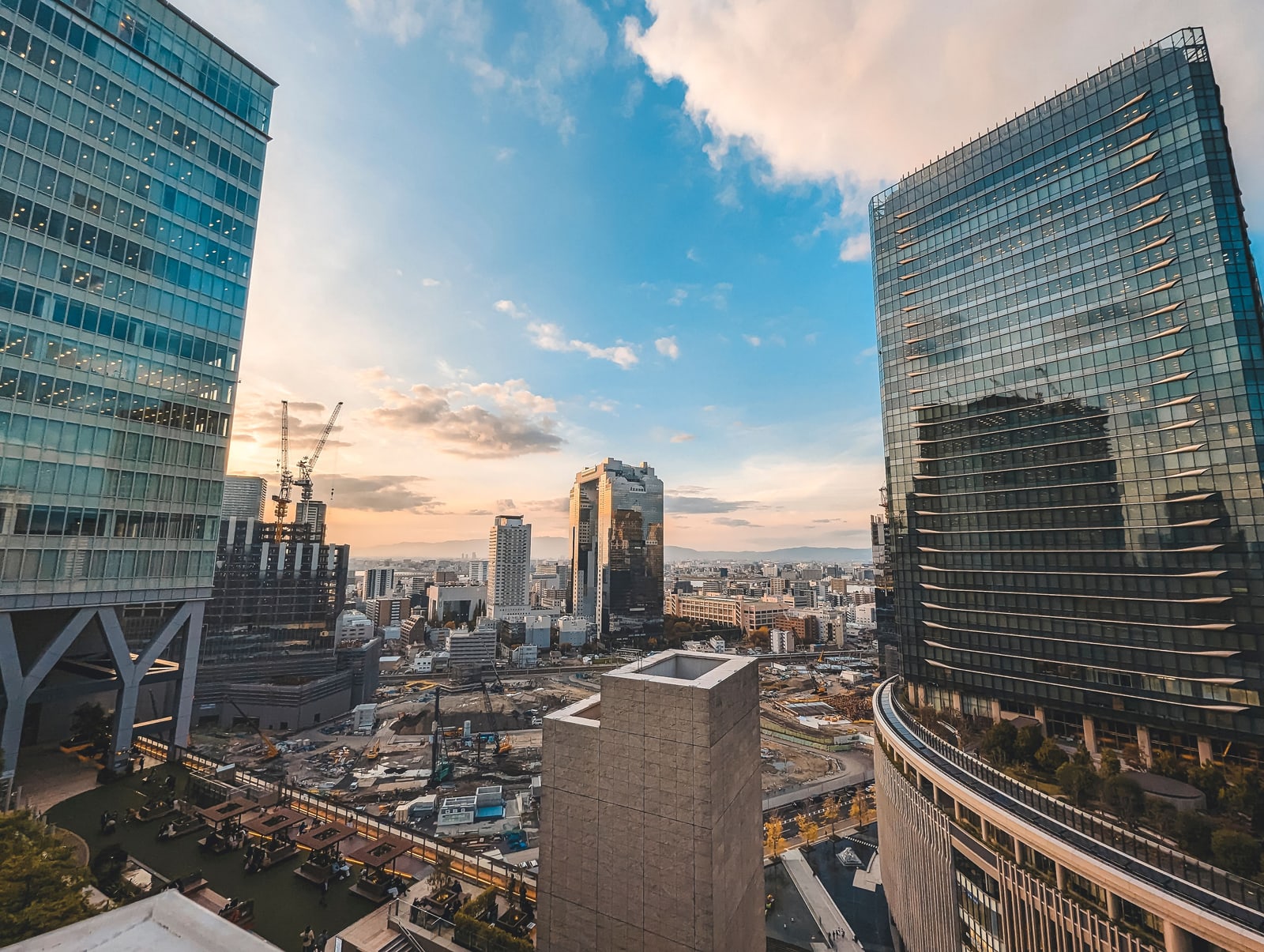
The Umeda Sky Building’s Kuchu Teien observatory is open 9:30 to 22:30, last entry 22:00. Admission is ¥2,000 for adults and ¥500 for ages 4 to 12; the rooftop may close in heavy rain. Umeda (M16) is the station.
The clock matters more here than anywhere else on the route. The Amazing Pass gets you in free only until 15:00. From 15:00 it takes 10% off. Osaka’s sunset falls after 15:00 every day of the year, so a pass holder who wants the evening view pays most of the ticket anyway.
Both halves in one day fits on paper: the castle at 9:00, Kuchu Teien before 15:00, Tsutenkaku in the late afternoon, the canal cruise at night. It is four timed entries and a lot of the Midosuji Line. Kuromon falls out first.
Fourth: whether the 1-day pass pays for your route
The one-day Osaka Amazing Pass is ¥3,500, the same price for adults and children. It covers all Osaka Metro lines, Osaka City buses (some routes excluded), the New Tram and the five private railways inside Osaka City, plus one entry to each of about 40 spots on the day of use. On sale until March 31, 2027.
It pays when the route’s entry fees and rides add up to more than ¥3,500. Rides are ¥190 to ¥390 each.
| Your route (one person) | Entries the pass covers | Plus rides | Pass at ¥3,500 |
|---|---|---|---|
| Minami, adult: castle, Tsutenkaku, canal cruise | ¥1,200 + ¥1,500 + ¥2,000 = ¥4,700 | 3–4 rides | Pays, by ¥1,200 before any ride |
| Kita, adult: castle, Kuchu Teien before 15:00 | ¥1,200 + ¥2,000 = ¥3,200 | 2–3 rides | About even: pays once rides top ¥300 |
| Kita, adult: castle, Kuchu Teien at sunset | ¥1,200 + ¥200 off the deck | 2–3 rides | Does not pay |
| Both halves, adult, all four entries | ¥6,700 | 4–6 rides | Pays, by ¥3,200 before any ride |
| Food day: Shinsekai streets, Kuromon, Dotonbori | ¥0 | 2–3 rides | Does not pay |
| Minami, elementary-school child | castle free + ¥800 + ¥500 = ¥1,300 | 3–4 rides | Does not pay |
The decision comes down to two lines. If your day has the castle plus at least one paid deck or the canal cruise, and you are an adult, the pass costs less than paying at each door. If your day is food and streets, or you are buying for a child under junior high age, pay as you go.
Castle plus Tsutenkaku or the canal cruise on your list?
Osaka Amazing Pass (1-day or 2-day, digital) on Klook
Klook sells the digital 1-day and 2-day pass. On the listing, check the version, how the QR code reaches your phone, and the cancellation terms.
Check versions and terms on Klook →Sold on Klook (Klook Travel Technology Limited), an online travel agency. The pass's own website links to a digital sale through SURUTTO QRtto. Before you book, check on the listing which version you are buying (1-day or 2-day), the price in your currency, how the QR code reaches your phone, and the cancellation terms.
So the pass works on the day
- Start it after 3:00 a.m. A pass “day” runs from 3:00 a.m. to 2:59 a.m. the next morning. Tap “Start Using” after 3:00 a.m. on the day itself; a pass started between midnight and 2:59 a.m. stops working at 3:00.
- It is a calendar day, not 24 hours. Starting at noon does not carry it to noon tomorrow.
- One entry per spot. A second ride on the cruise is not covered.
- Two counters to plan for. Tsutenkaku (book the entry time) and the canal cruise (exchange for a departure). Each spot on the pass’s list carries its own note on how the QR code is used; read it for the ones on your route.
- The 2-day pass (¥5,000) runs on two consecutive days and must be started within three months of purchase.
For the full count of when the 2-day version beats two singles, see Is the Osaka Amazing Pass worth it?.
Next
Your start point decides the first ride. Your reason for coming decides the half: food and night streets go to Minami, a view goes to Kita, and the castle goes first either way. Once the half is picked, add up its entries in the table above. If they pass ¥3,500, buy the pass before the morning; if not, pay at the door.
If you are still deciding where to sleep, Where to stay in Osaka compares Namba and Umeda. For what to eat on the Minami half, see Osaka street food, ranked by what it costs you. Coming in from Kyoto and going back the same night, check the Kyoto side of the day in A Kyoto day trip from Osaka, which covers the same three lines in the other direction.