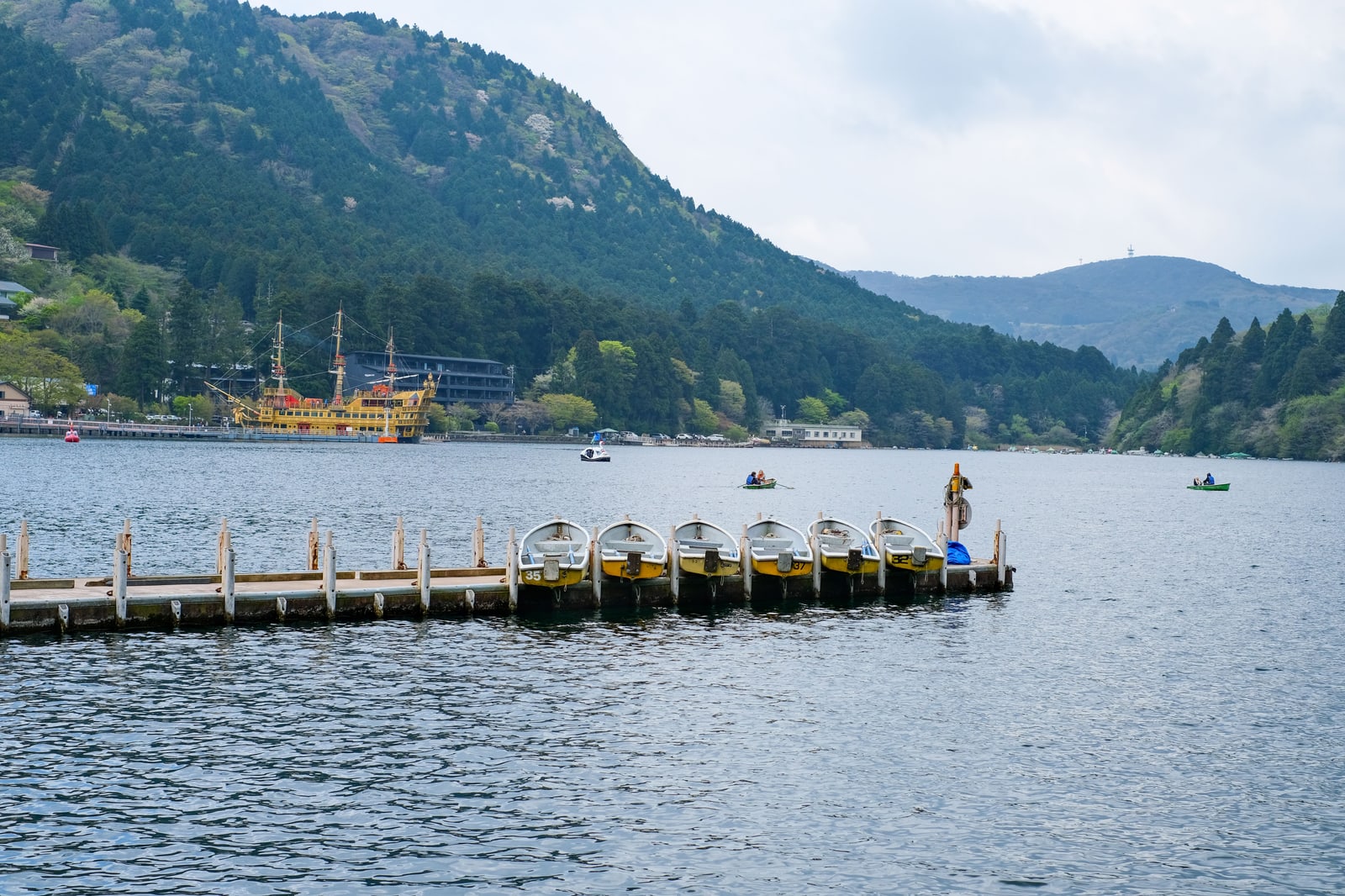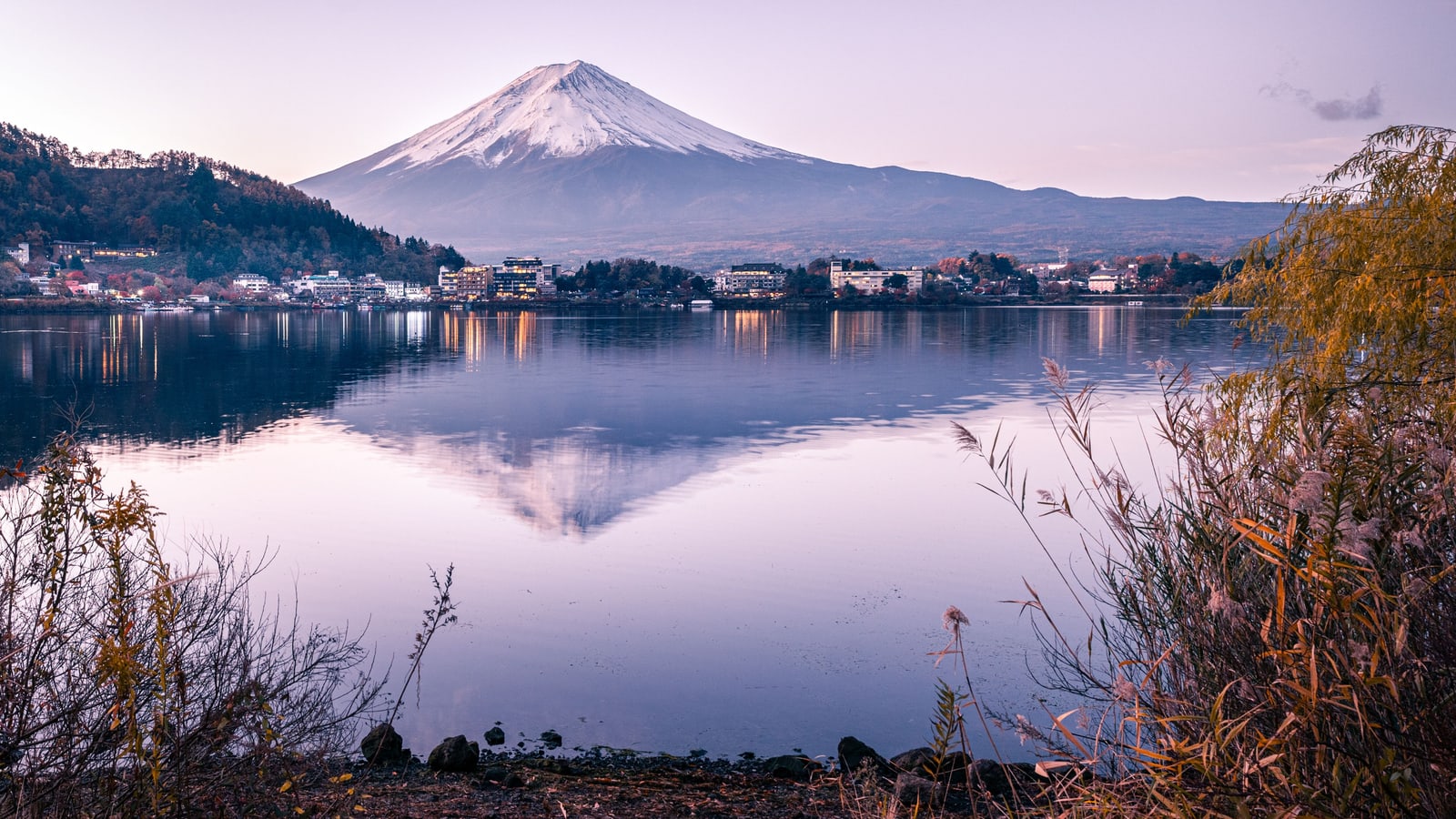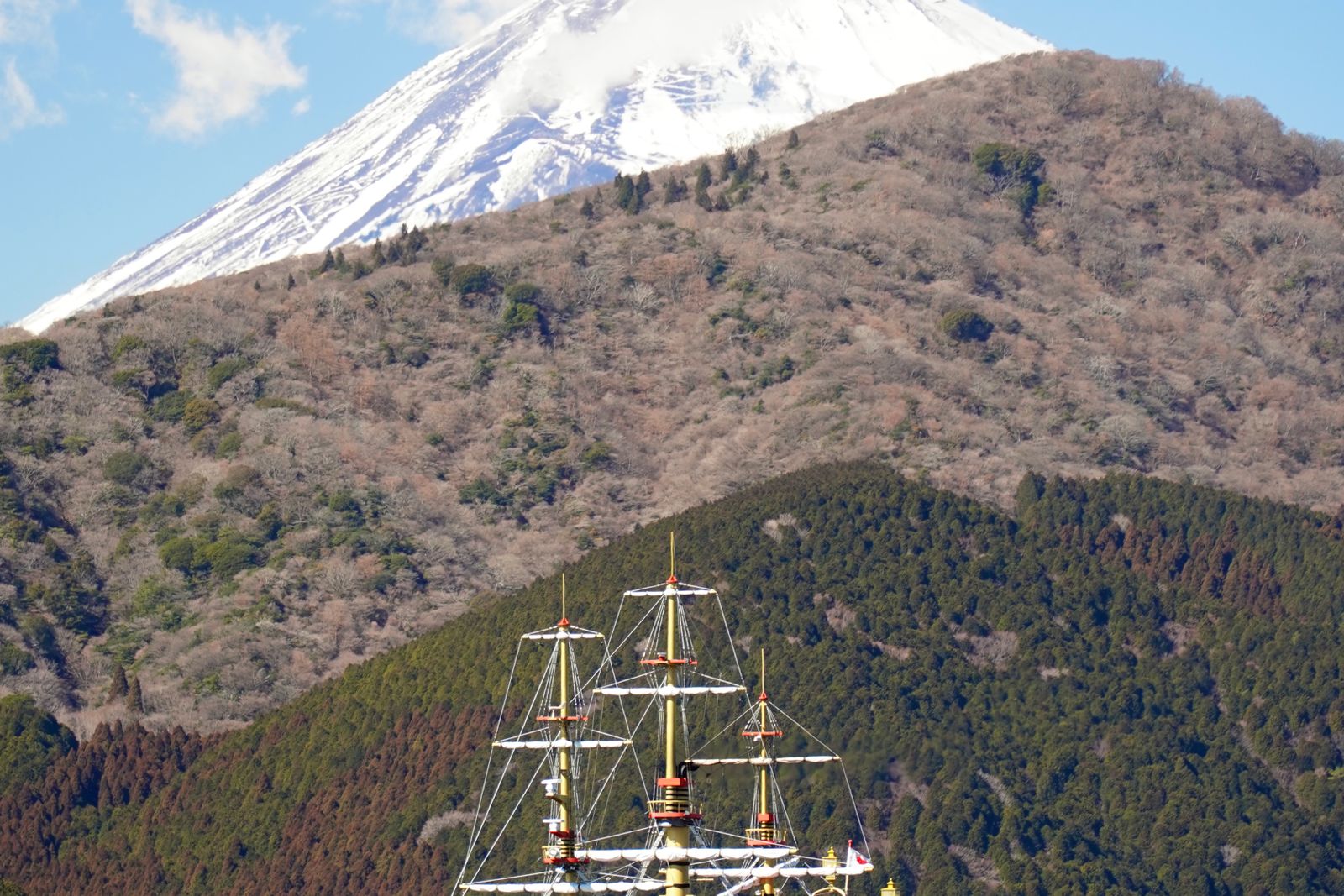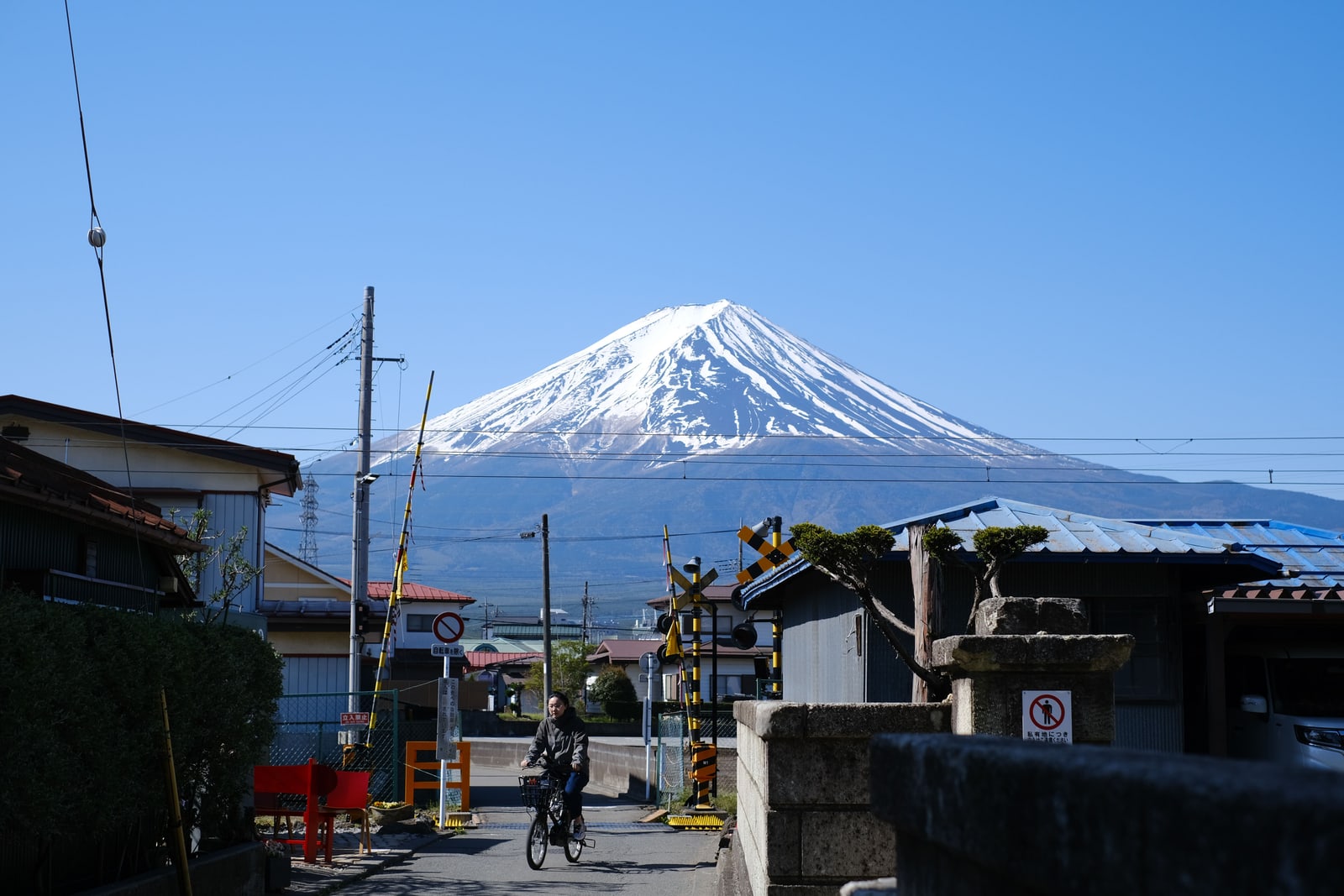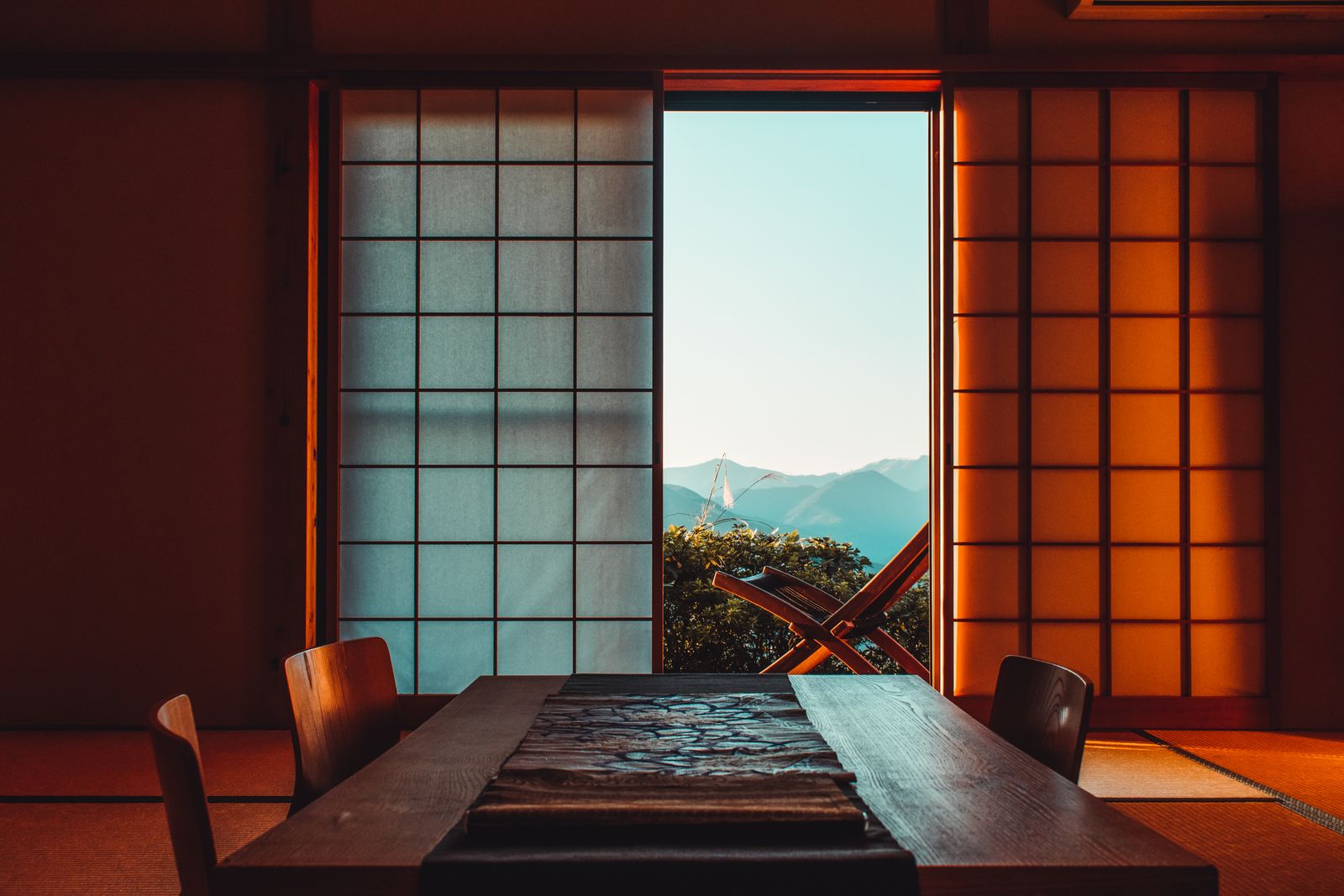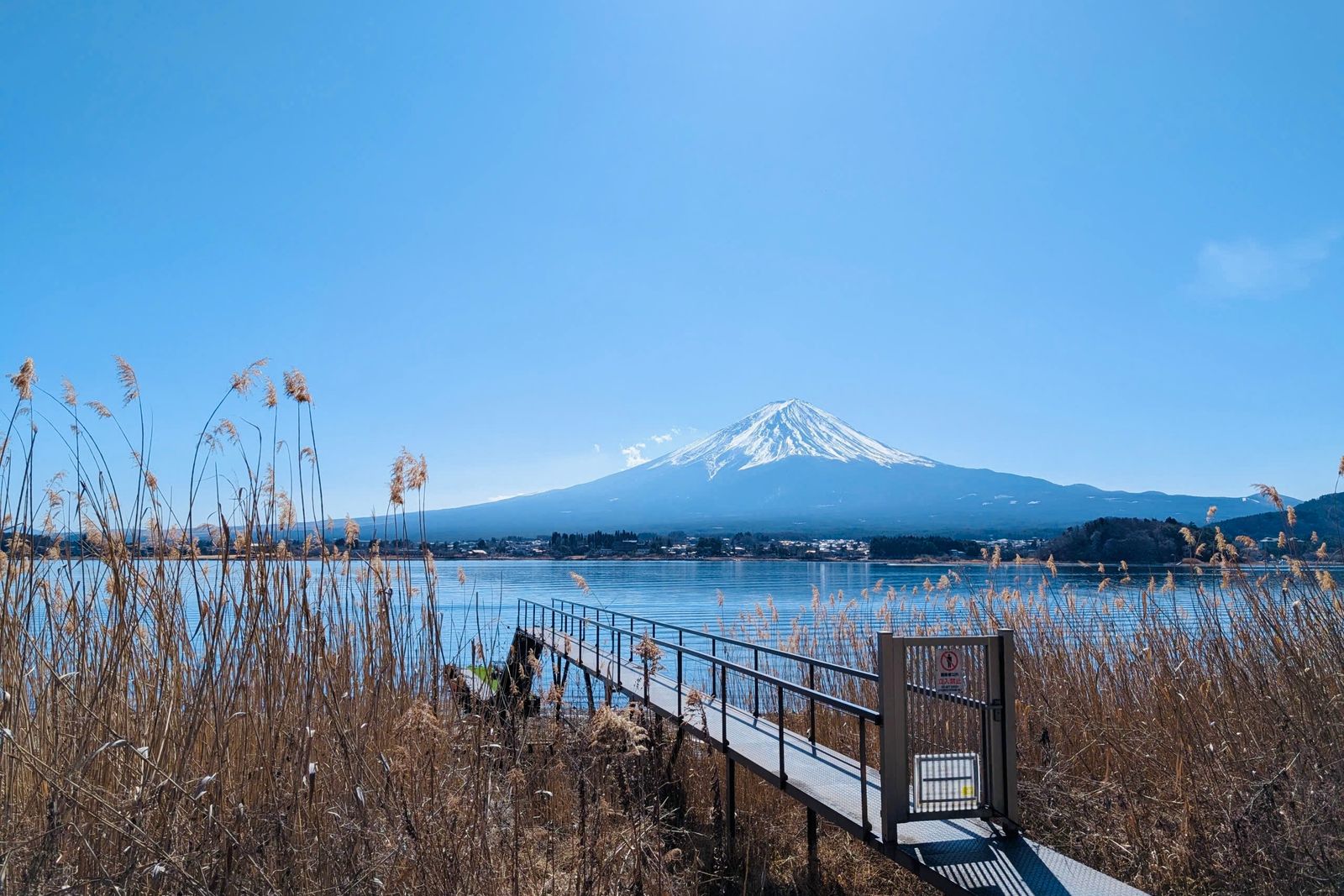
Both are two hours or less from Shinjuku and both put Mt Fuji on the poster, but they are different trips. Kawaguchiko is a lake at the mountain’s foot. Hakone is a hot-spring area in the hills, with a loop of trains, a cable car, a ropeway and a lake boat.
The answer, in the order the conditions decide it:
- The mountain is the point? Kawaguchiko, ideally between November and February, and ideally with a night: Fuji is most often clear at 8:00, and the first direct train from Shinjuku arrives at 9:28.
- The bath, the loop or the museums matter more? Hakone. Its day still works when Fuji stays hidden.
- One day only? Either fits, but Hakone’s last train back leaves about two hours later.
- Both? On your own, the railway sells that as a three-day pass. In one day, it means a tour with its own coach.
Only one day, and you'd rather see both than choose?
Tokyo: Mt Fuji & Hakone 6 Spots Tour w/ Bullet Train on Klook
This Klook day tour from Tokyo covers the Mt Fuji area and Hakone in one day, with a bullet-train leg named in its title. The conditions below say when that fits and when it doesn't.
Check the Mt Fuji & Hakone tour on Klook →Sold on Klook (Klook Travel Technology Limited), an online travel agency. Before you pay, check on the listing for your date: which six stops are included and in what order, the pickup point and time, which leg is by bullet train and where it ends, what happens if the ropeway or the cruise is not running, and the cancellation terms.
First: is the mountain itself the point?
A public record of how often Fuji shows comes from Fuji City, on the Shizuoka side, which has logged the mountain at 8:00, 12:00 and 16:00 since 1990. In 2024 the whole mountain was visible at 8:00 on 150 days, 41.0 percent of the year. On 118 days it wasn’t seen at all.
Across the years the pattern holds: 8:00 is the hour with the most clear sightings, November to February are the best months, June to August the worst, and spring haze and September aren’t much better. That record is kept from the south side, not from either lake. Neither lake publishes one of its own.
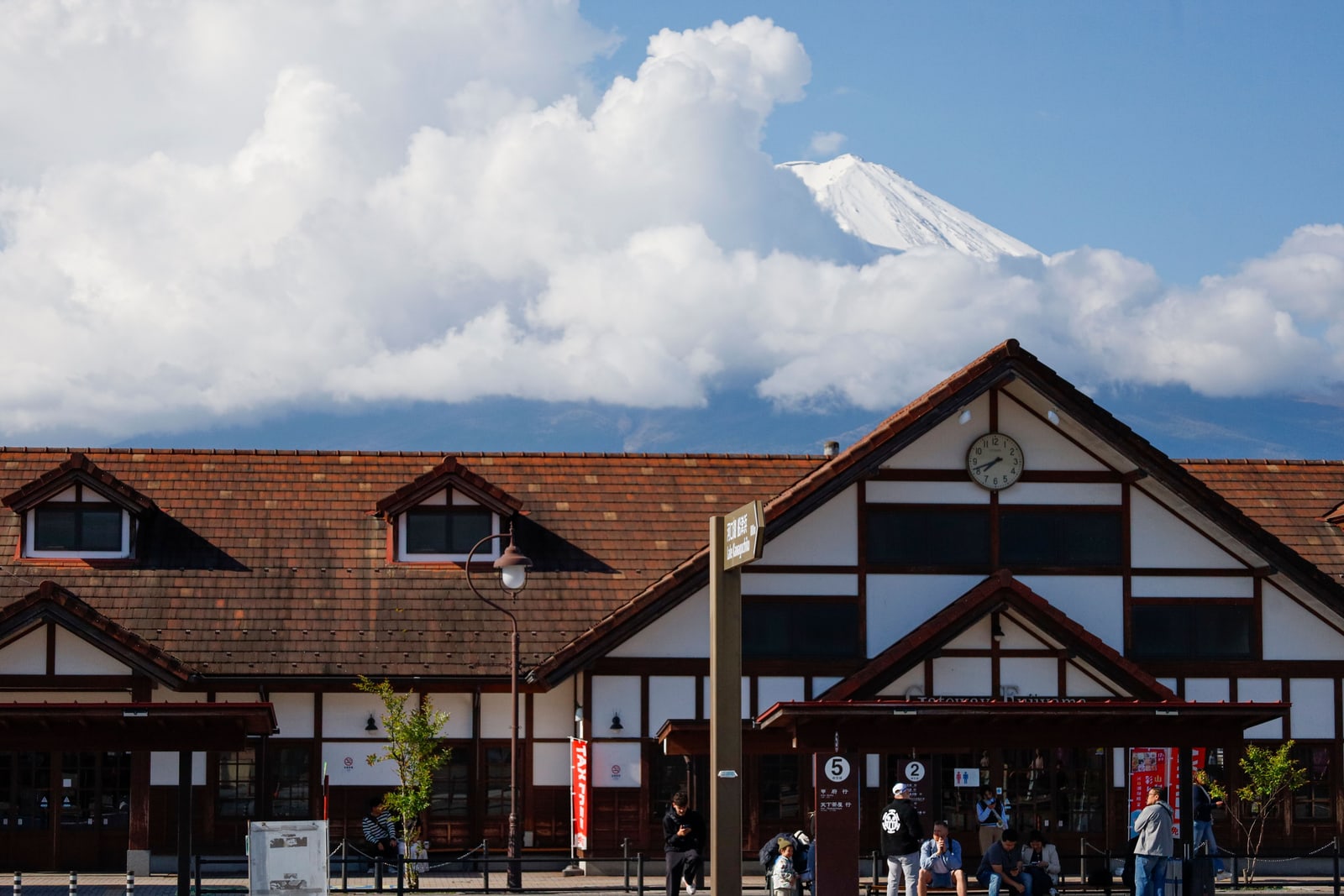
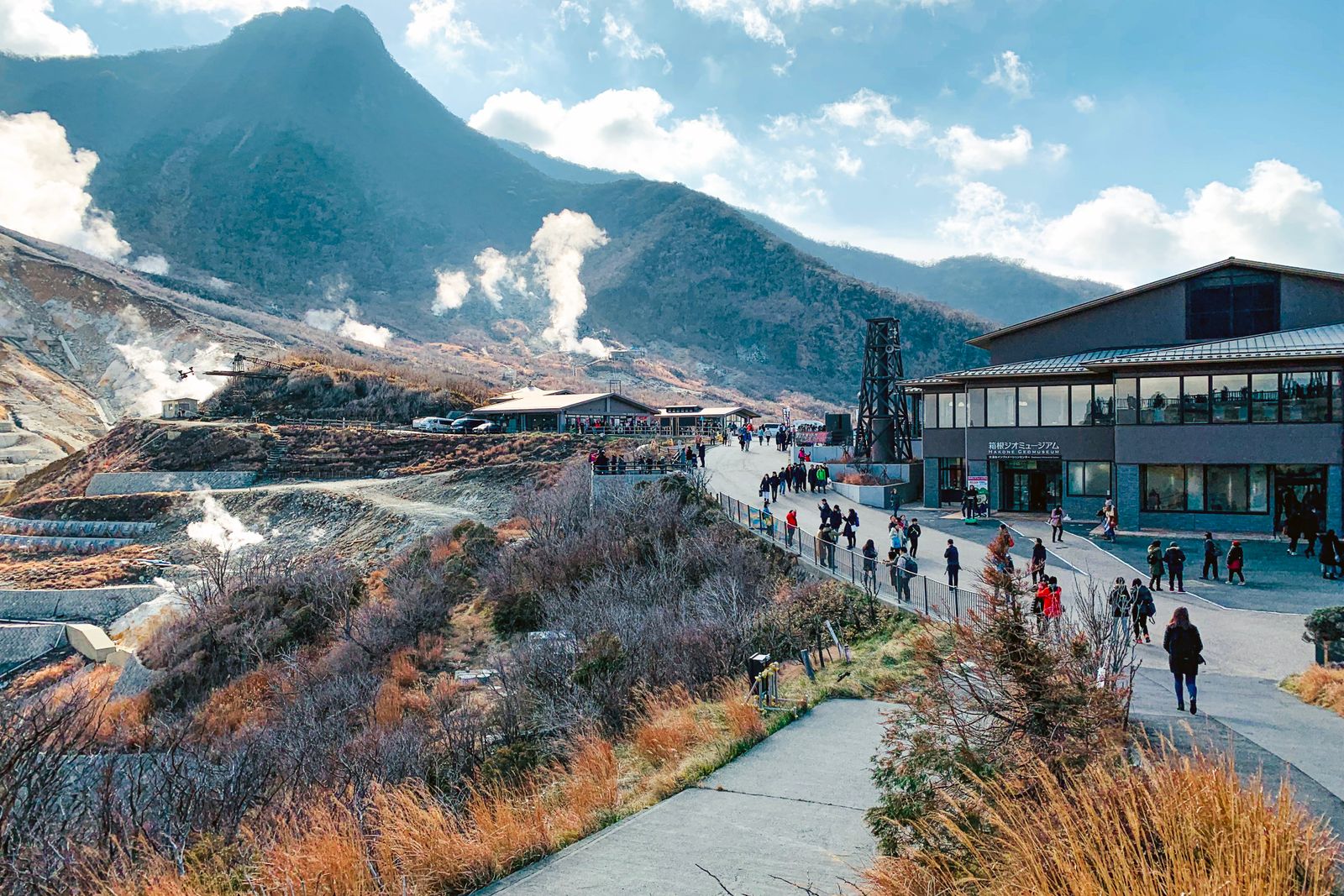
The Hakone Tourist Association, which has every reason to favor Hakone, puts it plainly on its own site: Kawaguchiko “gives one of the best views of Fuji in all of Japan,” while from Hakone the base of the mountain is “partially obscured by the surrounding mountains.” Its tip for a Fuji view inside Hakone is Owakudani, the steaming valley at the top of the ropeway.
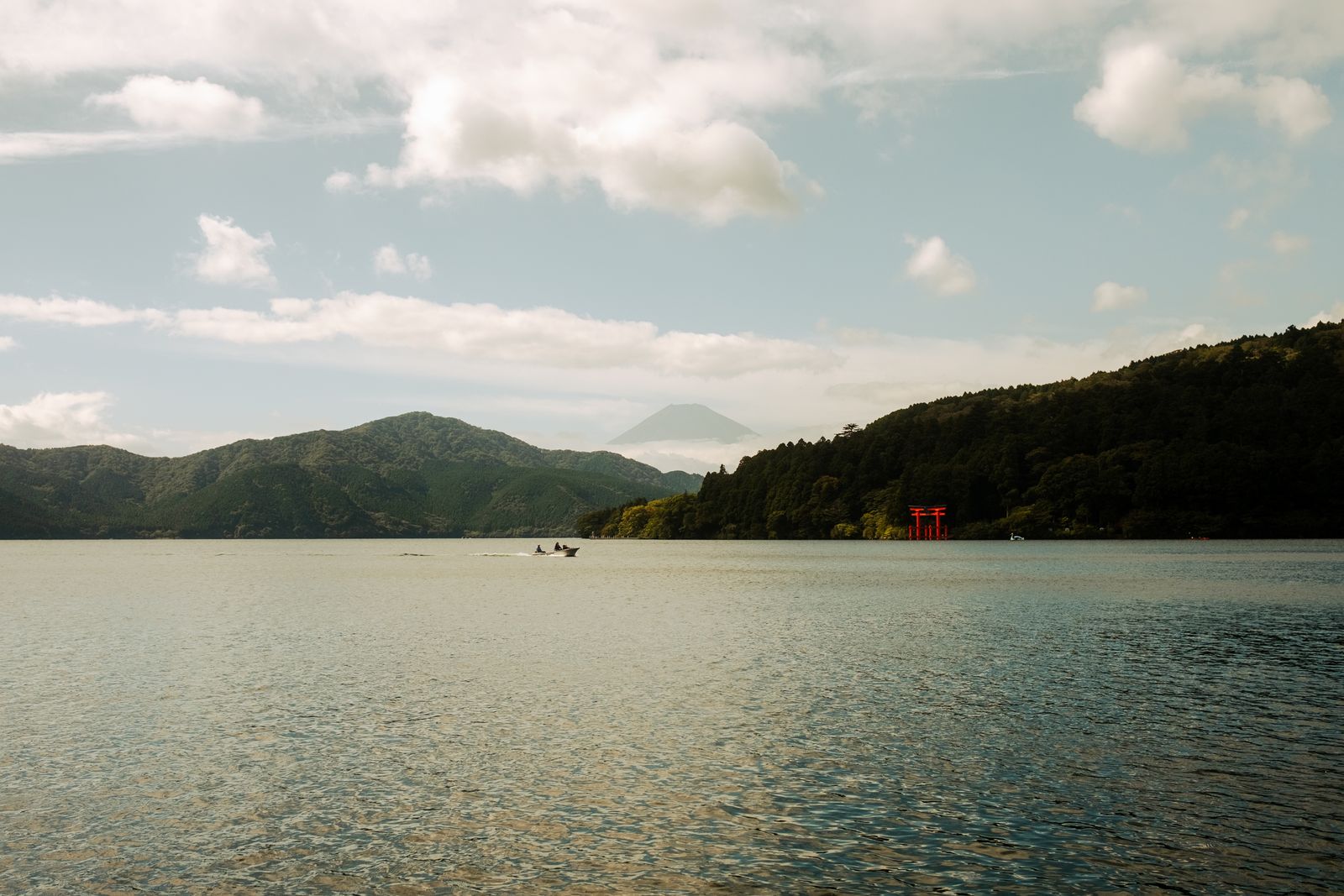
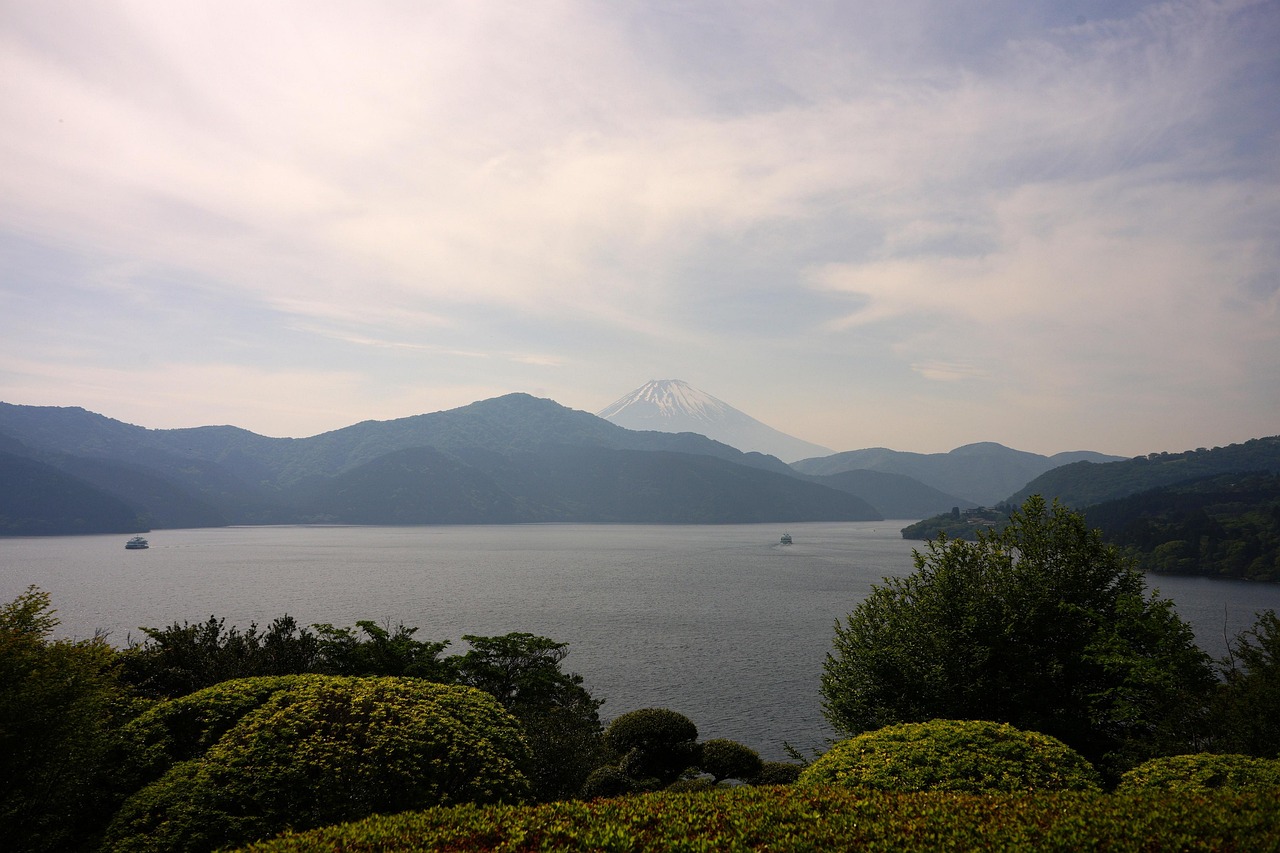
So if the picture in your head is Fuji over the water, that is Kawaguchiko, and the cold months. If your date falls between June and August and the mountain is the only reason to go, Kawaguchiko is the day most likely to come up empty. In those months the loop around Hakone is the better bet, because it doesn’t depend on the view.
Second: the bath, the loop or the museums?
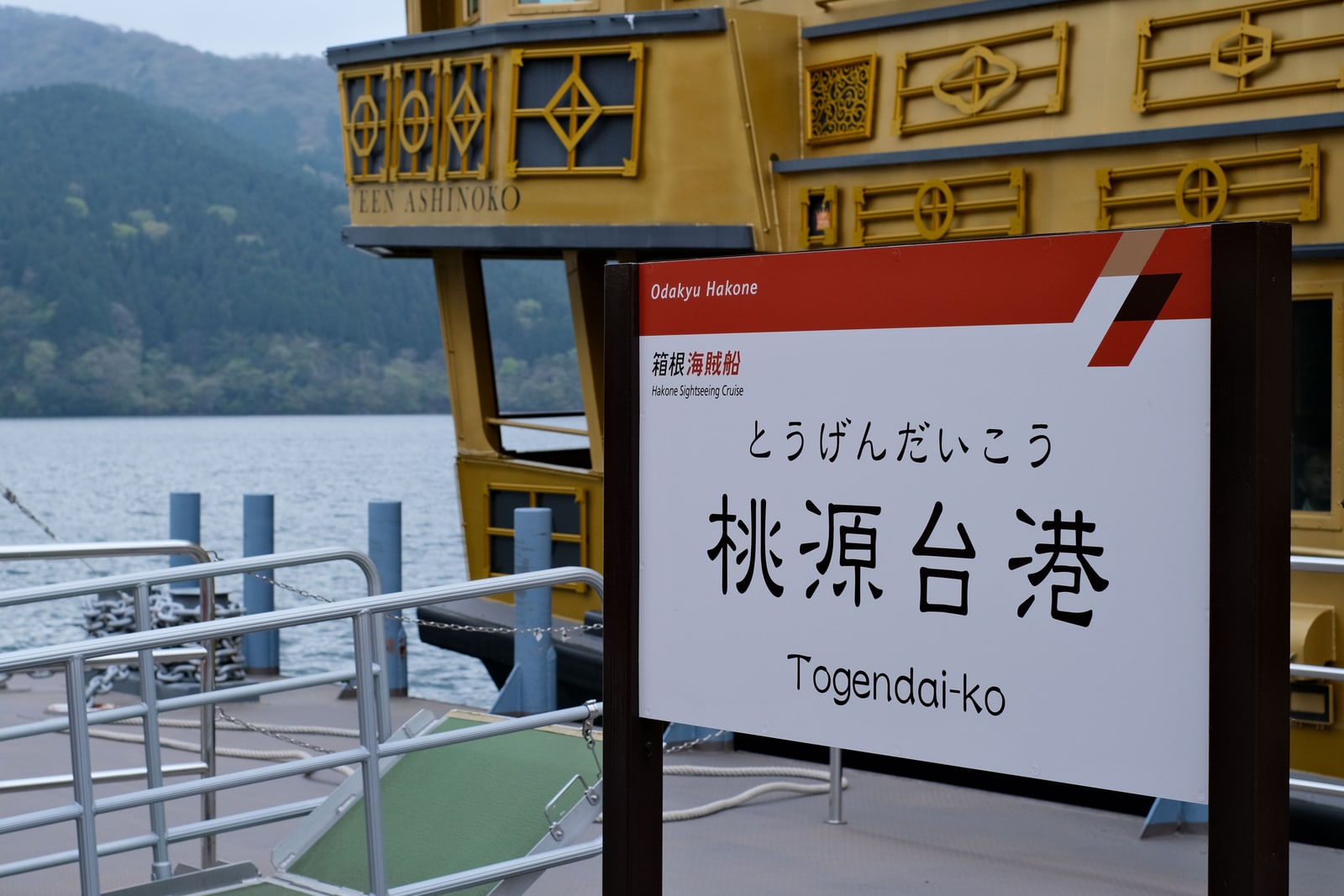
A Hakone day is a day of moving. The Hakone Freepass covers the Odakyu Line from Shinjuku, the Tozan Train up the mountain, the cable car, the ropeway over Owakudani, the sightseeing cruise on Lake Ashi and buses in designated areas. The tourist association’s advice is to ride the loop counter-clockwise: same sights, fewer people.
Then the bath. Many Hakone ryokan and hotels let day visitors use their baths in mid-afternoon, before their own guests check in, and there are bathhouses built for day use. Rules differ: Hakone Yuryo, one of the day-use bathhouses the tourist association lists, says “No tattoos allowed.” Check the rule of the bath you want, and read the onsen etiquette page before the first one.
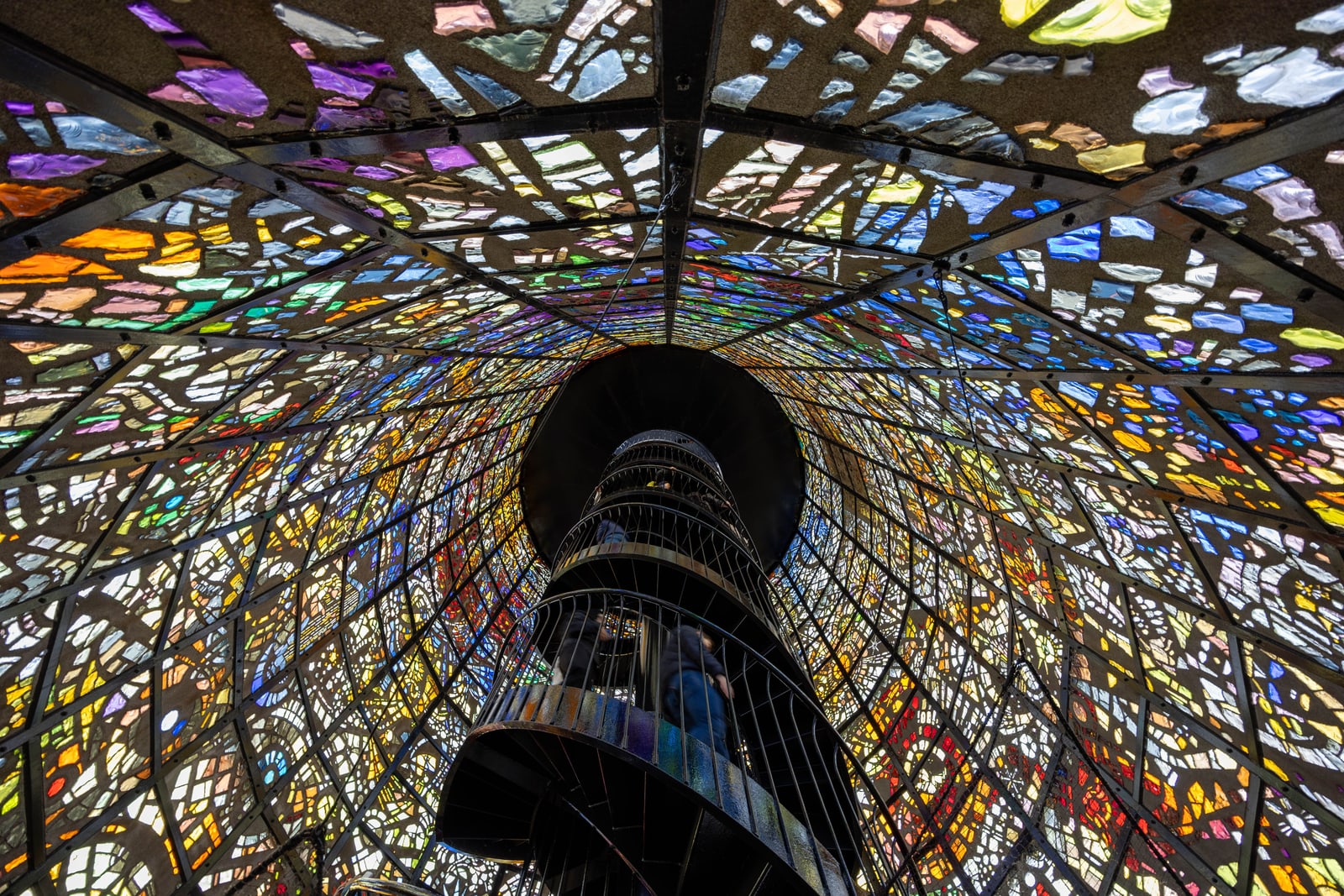
And the loop has museums on it: the Hakone Open-Air Museum, by its own directions, is a two-minute walk from Chokoku-no-Mori station on the Tozan Train. That is what a cloudy Hakone day falls back on. The same tourist association sums up Kawaguchiko as an amazing view of Fuji that “is limited in other things to do.” On a day the mountain stays in cloud, Kawaguchiko has less to offer in its place.
One thing to check in winter: the ropeway shuts sections for maintenance. Between December 2025 and February 2026, replacement buses ran every 15 minutes, and Odakyu warned they were “expected to be very crowded.” For any date, look at the Hakone Navi operating status page the morning you go.
Third: how many hours the trains leave you
| Hakone | Kawaguchiko | |
|---|---|---|
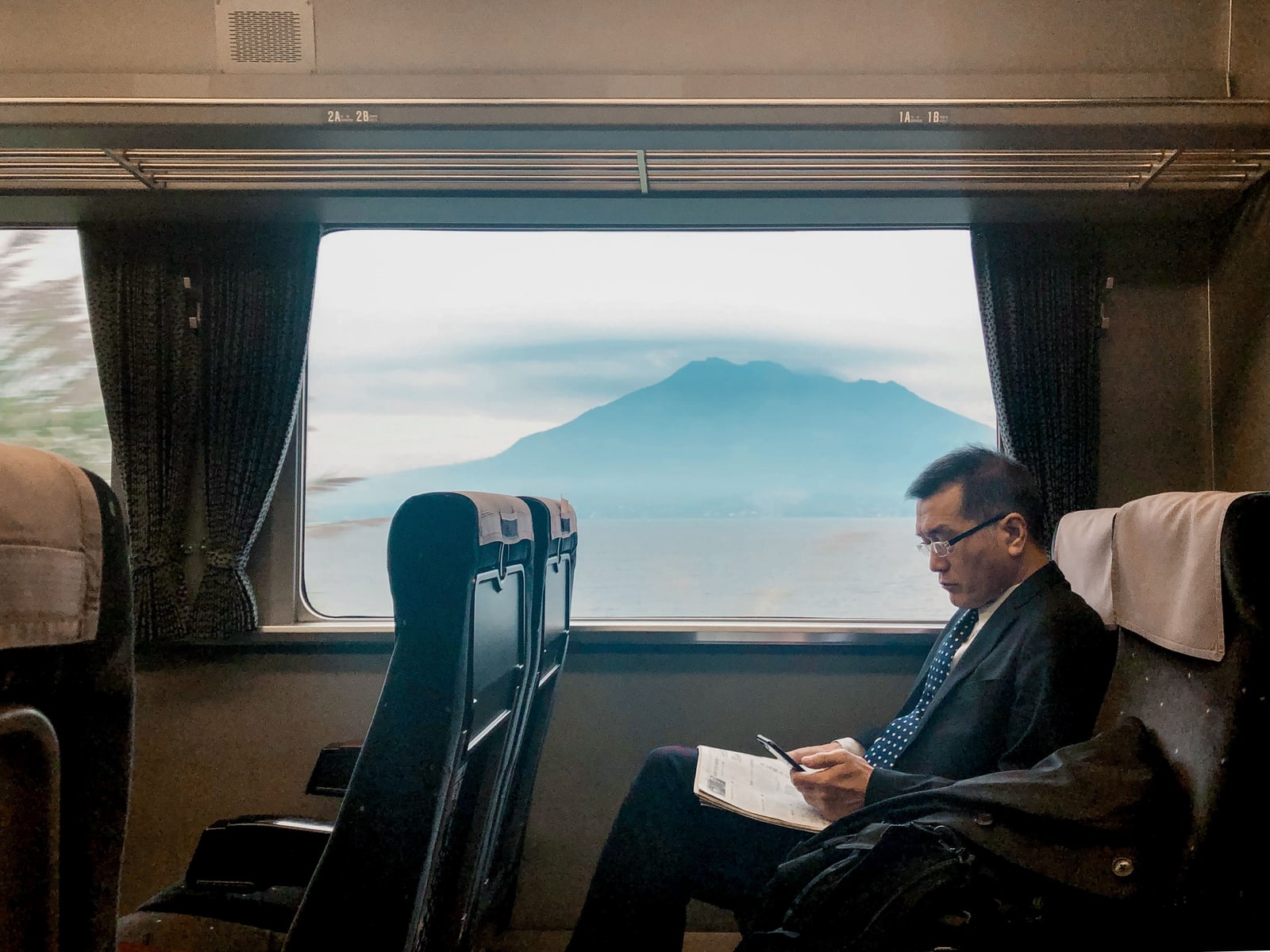
| From Shinjuku | Romancecar to Hakone-Yumoto, about 80 min, every seat reserved | Fuji Excursion, 1 h 54 min; or highway bus from Busta Shinjuku, about 1 h 45 min |
| The day, as it runs | About 8:30 out, back in Tokyo around 6:30 pm (the tourist association’s day plan) | 9:28 arrival (the 7:30 from Shinjuku) |
| Last direct ride back | Romancecar 19:50 from Hakone-Yumoto, weekdays | Fuji Excursion 17:41 |
| Return fare for the day | ¥9,500: two-day Freepass ¥7,100 + Romancecar ¥1,200 each way | ¥8,400 by Fuji Excursion (¥4,200 each way); ¥4,400 by bus (¥2,200 each way, ¥2,000 if paid on the web) |
The Kawaguchiko figures leave out the buses around the lake. The Hakone figure already includes Hakone’s, because the Freepass covers them. The Freepass has no one-day version; a day trip uses one of its two days. More on that in whether the Freepass is worth it.
By bus, one thing changed on 1 October 2026: Fujikyu-run buses are now sold on FUJIYAMA CONNECT and Keio-run buses on Highway Bus.com. No current operator timetable available at the time of writing gave the last bus back from Kawaguchiko, so find it when you book, not on the day.
On hours alone, Hakone gives the longer day. Its last direct train leaves about two hours after the last Fuji Excursion, and Kawaguchiko’s day starts after the hour it’s best at.
Fourth, the tie-break: one night, or both places?
A night changes the two places in opposite directions.
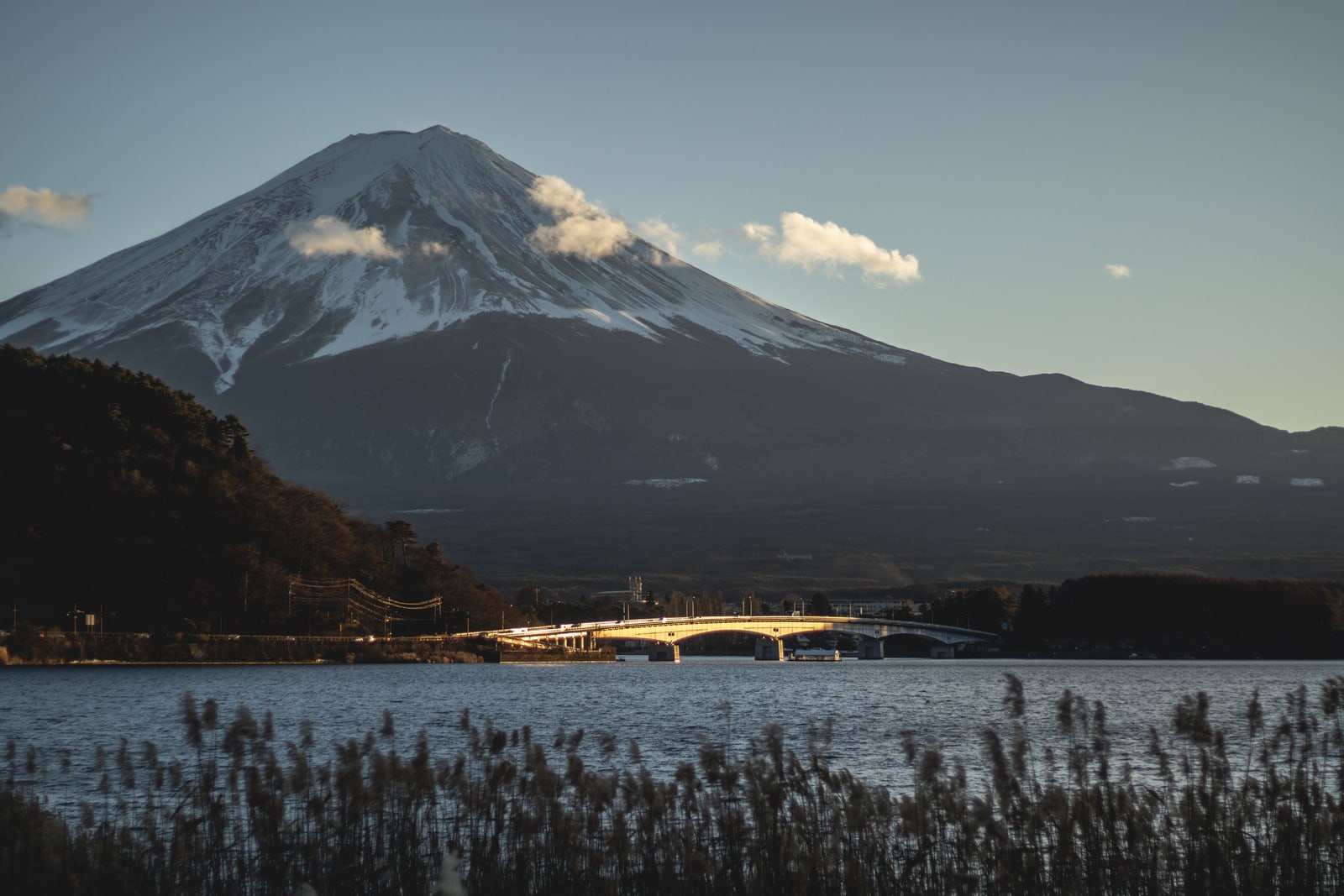
At Kawaguchiko it buys the morning. Sunrise in Kofu, the nearest city the national observatory lists, is at 6:07 on 1 November and 4:54 on 1 May, so the 8:00 hour that Fuji City’s record favors is already yours before the first train from Tokyo pulls in at 9:28. Day trip or overnight at Kawaguchiko goes through that morning month by month.
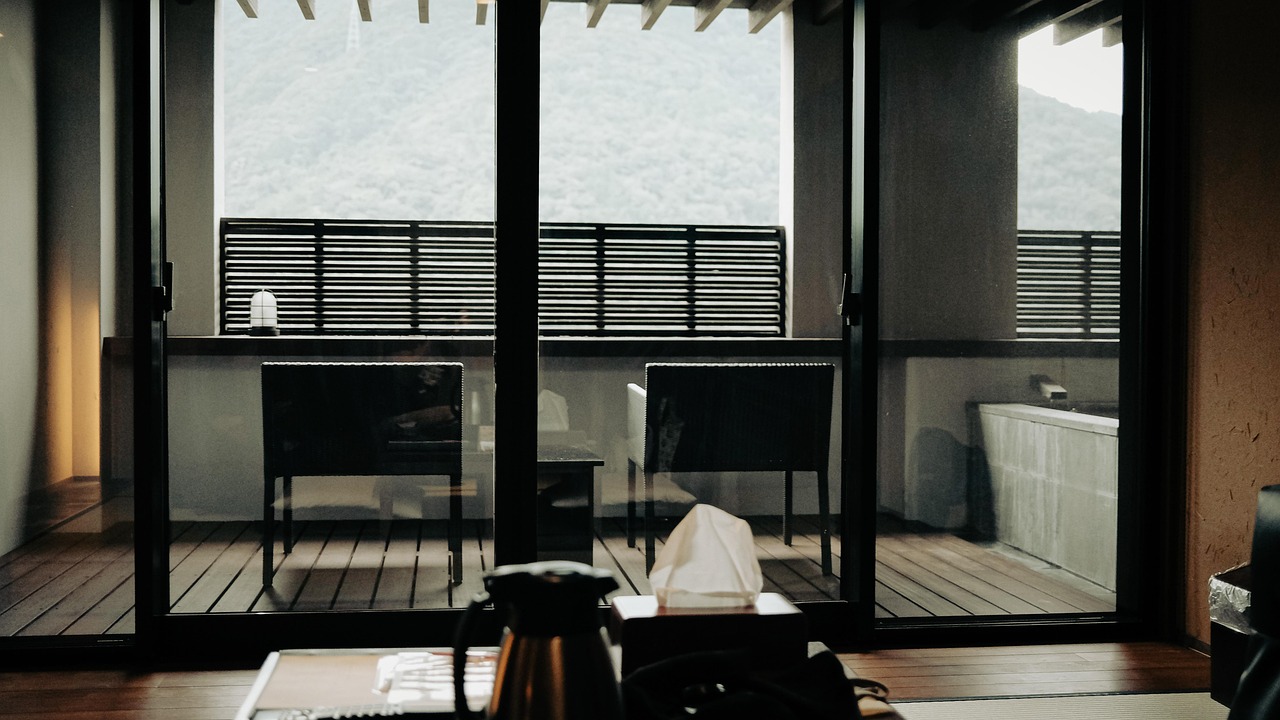
At Hakone it buys the evening. The tourist association’s own line is that Hakone “is best experienced overnight because it gives you a chance to see more.” What a first ryokan night actually costs, and what it buys, is in your first ryokan night.
Both places, on your own, is what Odakyu’s Fuji Hakone Pass is for: ¥11,100 from Shinjuku, valid for three days, covering the Hakone rides, the Fujikyu Railway to Kawaguchiko and buses in designated areas on both sides. It doesn’t cover the JR Chuo Line from Shinjuku to Otsuki or the highway bus out of Shinjuku. And it is sold only at Odakyu’s Sightseeing Service Centers in Shinjuku and Odawara, not online and not from machines. The railway’s own ticket for doing both runs three days.
Inside one day, both means a tour. A coach and a guide carry you between the two areas, so the buses aren’t yours to work out; the day is split, so each place gets part of it, and no one can schedule the mountain. That fits if you want to stand in both places and take whatever view the weather allows. It doesn’t fit if Fuji up close is the reason (give that day, and ideally the night, to Kawaguchiko) or if the bath is (give it to Hakone alone).
One day, both places, and the coach does the connecting?
Tokyo: Mt Fuji & Hakone 6 Spots Tour w/ Bullet Train on Klook
This Klook tour from Tokyo combines the Mt Fuji area and Hakone in a single day, with a bullet-train leg named in its title. Check the six stops, the pickup and the return time for your date.
Check the Mt Fuji & Hakone tour on Klook →Sold on Klook (Klook Travel Technology Limited), an online travel agency. Before you pay, check on the listing for your date: which six stops are included and in what order, the pickup point and time, which leg is by bullet train and where it ends, what happens if the ropeway or the cruise is not running, and the cancellation terms.
So it works on the day
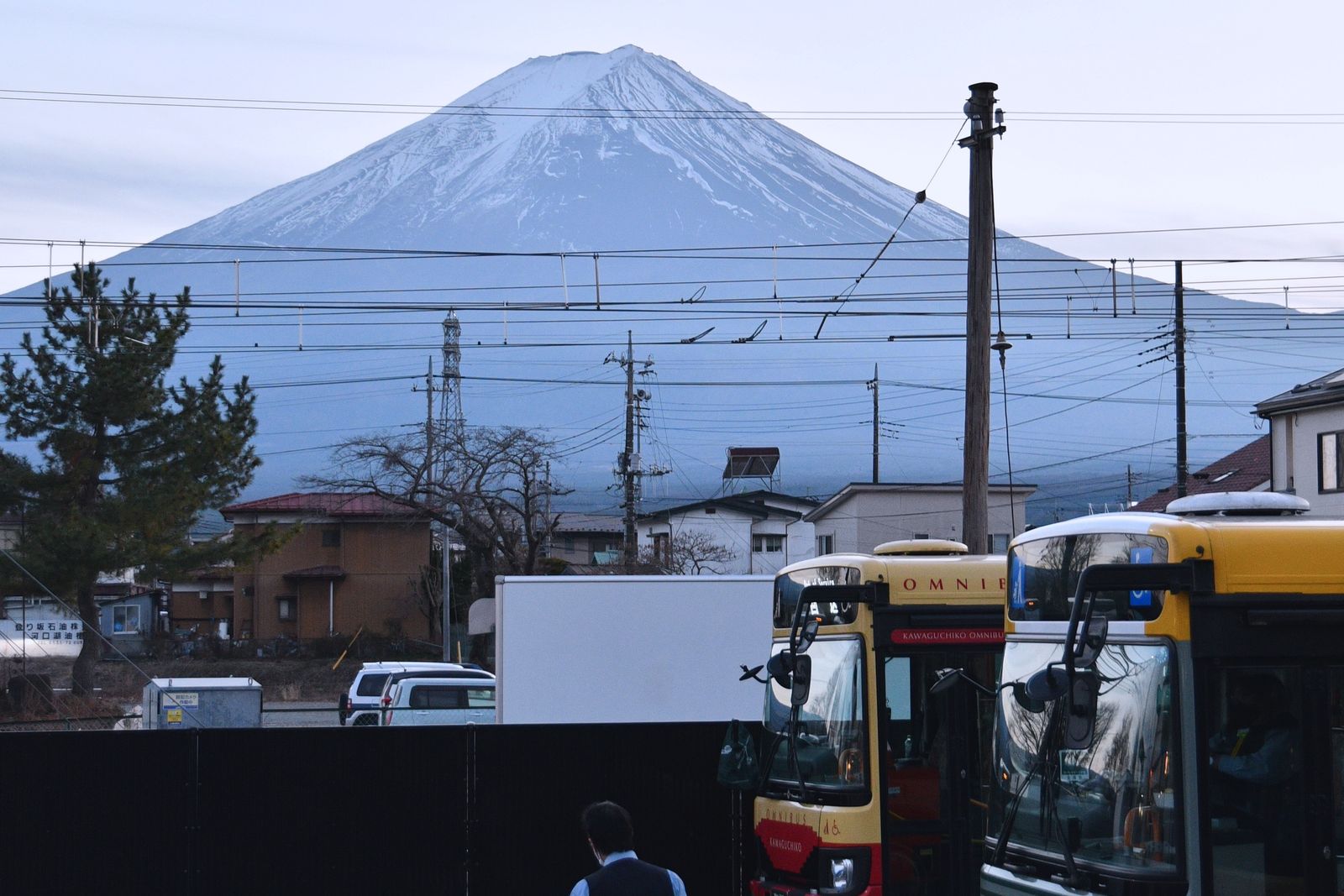
Kawaguchiko by train. The Fuji Excursion goes on sale one month ahead at 10:00. The 7:30 from Shinjuku gives you the most of the day. There are no unreserved cars, but if the seats are gone there is a seat-unassigned ticket. Is the Fuji Excursion worth it covers which side to sit on.
Kawaguchiko by bus. Book on the site of the company that runs your bus, and write down the last bus back before you leave Tokyo.
Hakone. Buy the Freepass and reserve the Romancecar home first: every seat is reserved, and the 19:50 is the last direct one on weekdays. Check the ropeway’s status that morning, then ride the loop counter-clockwise.
Next
Find your date in Fuji City’s months. November to February, with the mountain as the point: reserve the 7:30 Fuji Excursion a month ahead, or book a night at the lake. Any other month, or with the bath as the point: Hakone, with a Freepass and a Romancecar seat back.