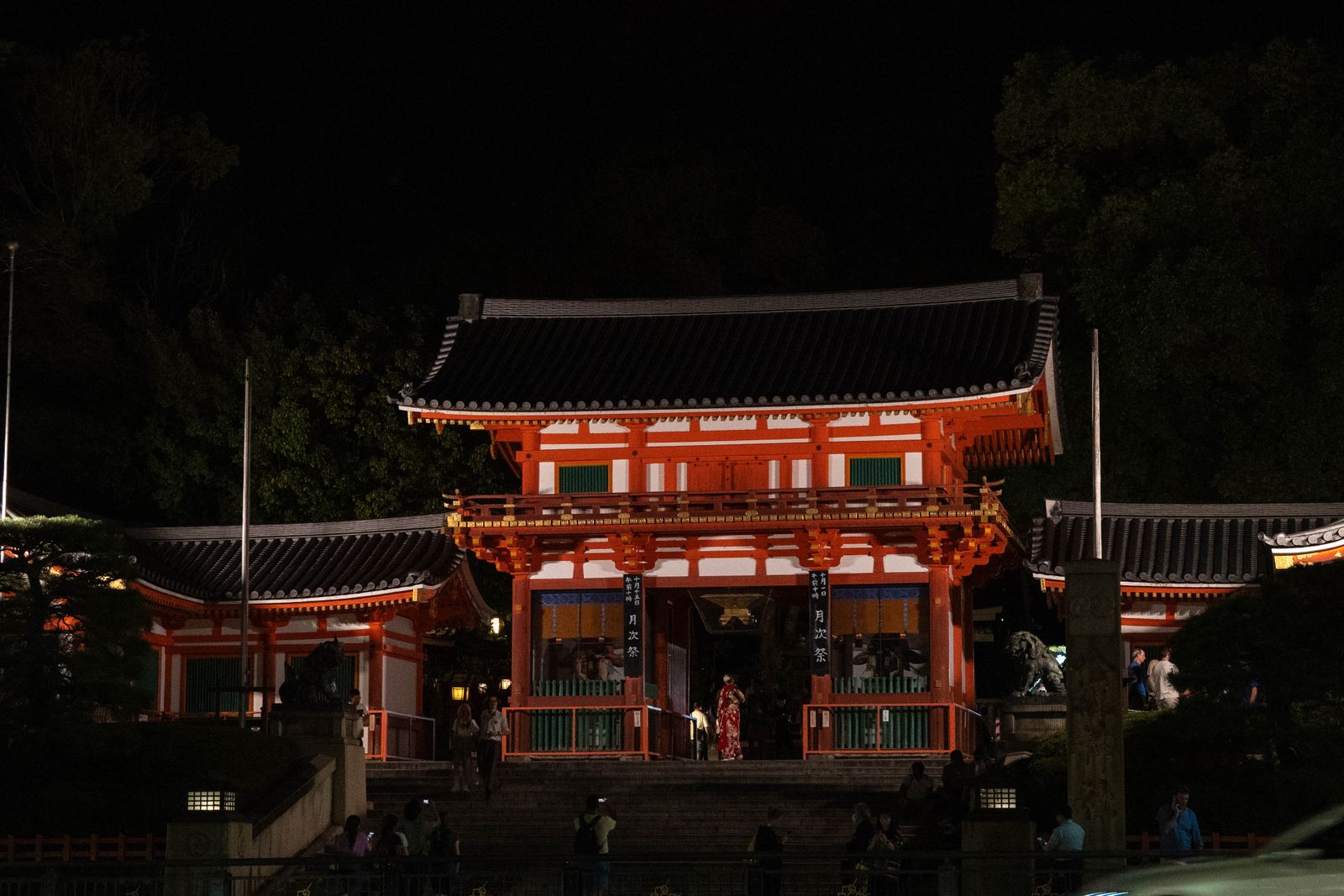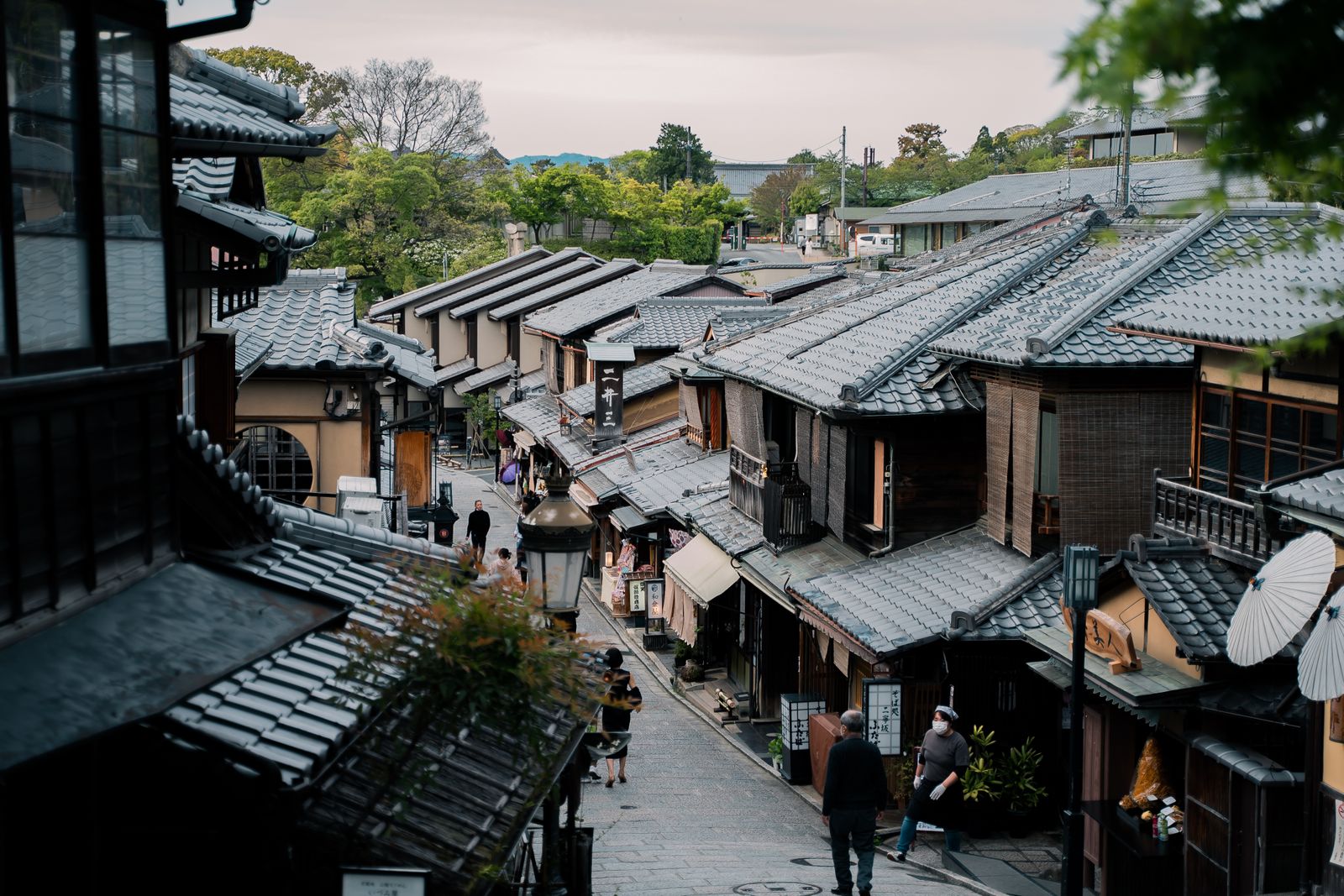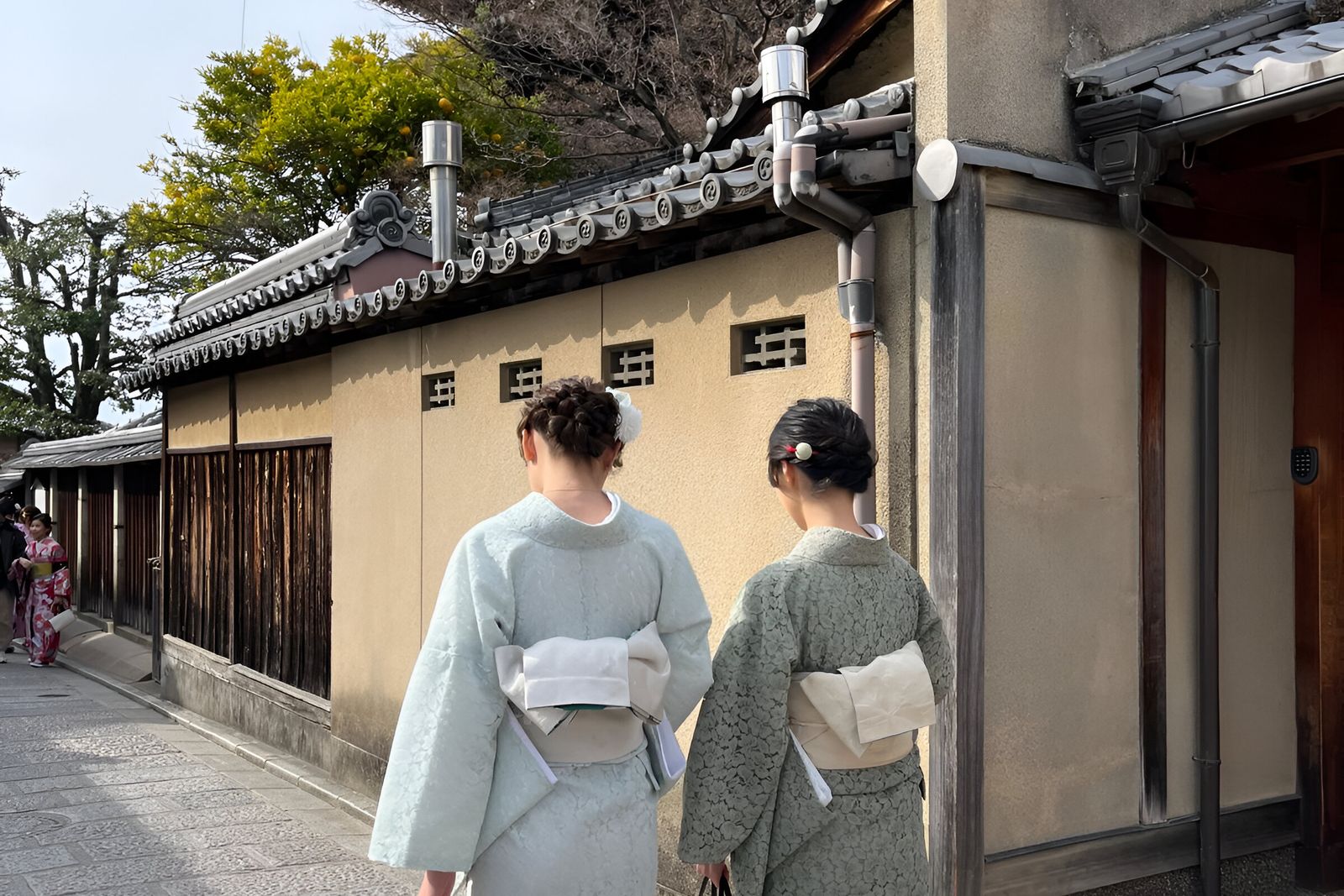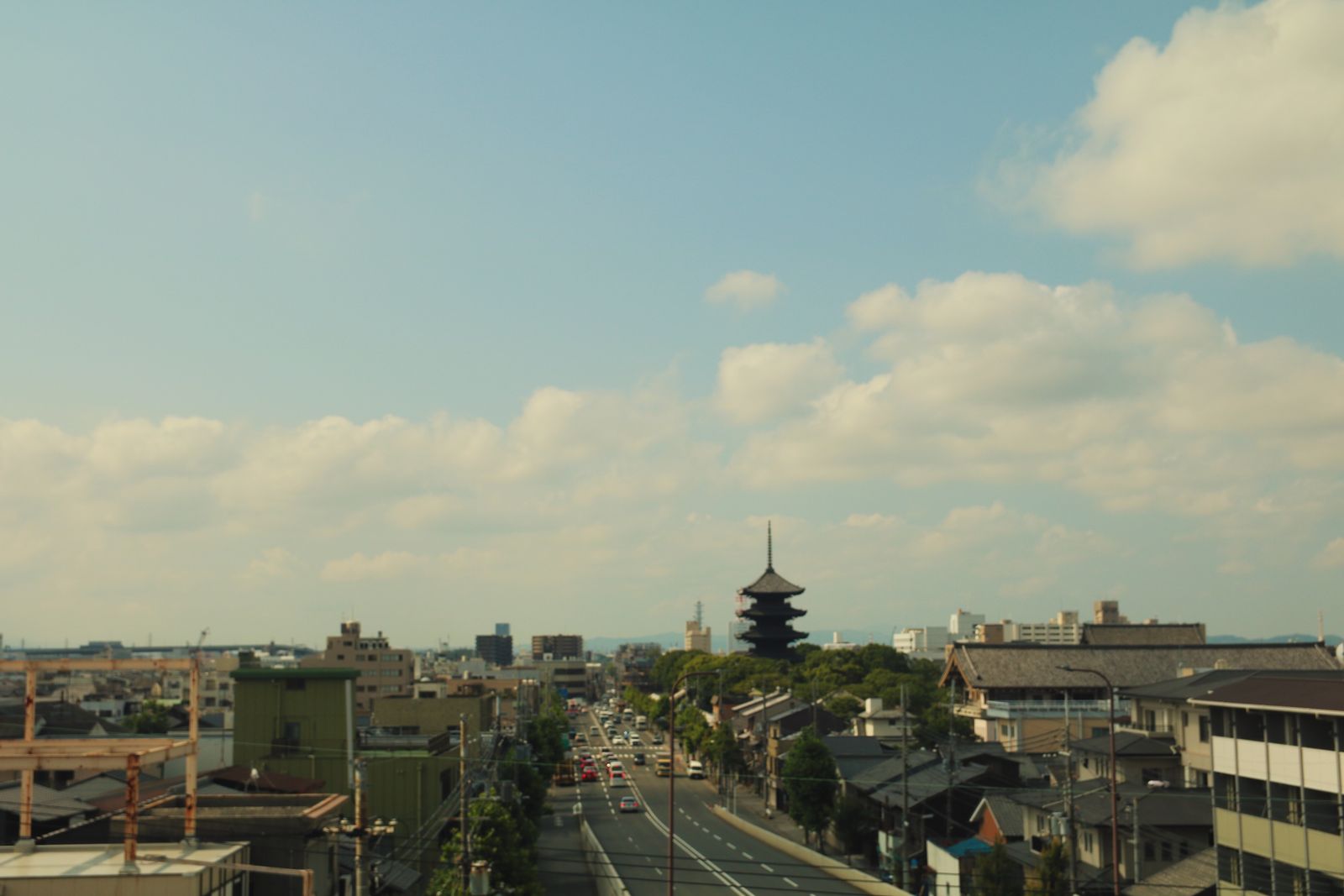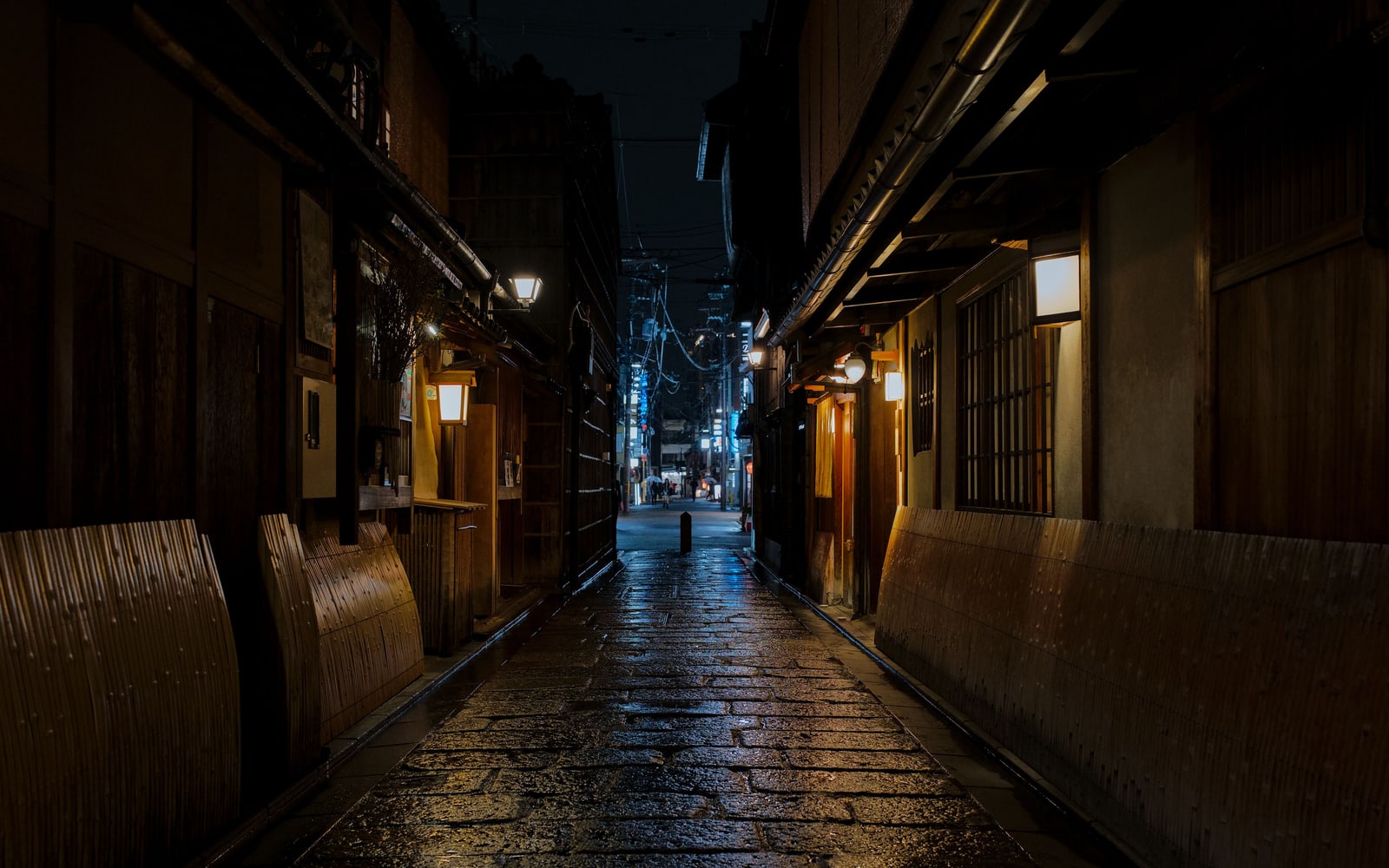
Book the guided walk if you want Gion explained while you’re standing in it. Walk it alone if you mainly want the streets, the shrine and the canal at your own pace. Either way, a geiko or maiko sighting is luck.
The second point matters more than most tour pages let on. Since spring 2024, some of Gion’s private lanes are closed to visitors, and the sign at Kosode Koji names guided tours in its Japanese text. So a guide takes you down the same public streets you could walk yourself. What you’re paying for is the explanation.
The walk on Klook runs two hours, in English, as a join-in group. Alone, the route at the bottom of this page covers Yasaka Shrine, Hanamikoji, Kennin-ji and the Shirakawa canal. It’s free until a temple gate.
First time in Gion and want the street explained as you walk it?
Kyoto: Gion and Geisha District Guided Walking Tour on Klook
A two-hour guided walk through Gion in English, as a join-in group. The listing places it at Yasaka Shrine.
Check the Gion walking tour on Klook →Sold on Klook (Klook Travel Technology Limited), an online travel agency. Before you book, check on the listing for your date: the meeting point, the start time, what's included, and the cancellation terms. Geiko and maiko keep their own schedules, so a sighting isn't part of any walk.
First: a maiko sighting, or knowing what you’re looking at
If the point of the trip is to see a geiko or maiko, no walk can schedule that. Kyoto City’s tourism site says a maiko out in full dress has an engagement and is in a hurry. Stopping her, asking for a photo, or taking one without permission is prohibited.
The reliable way to see maiko is on a stage. Gion Corner holds a show daily at 6:00 and 7:00 p.m., about 50 minutes long. Its kyomai dances are “generally performed by maiko from Gion Kobu.” Adult tickets are ¥5,500. From December 1 to March 11 it runs Tuesday to Friday only, holidays excluded.
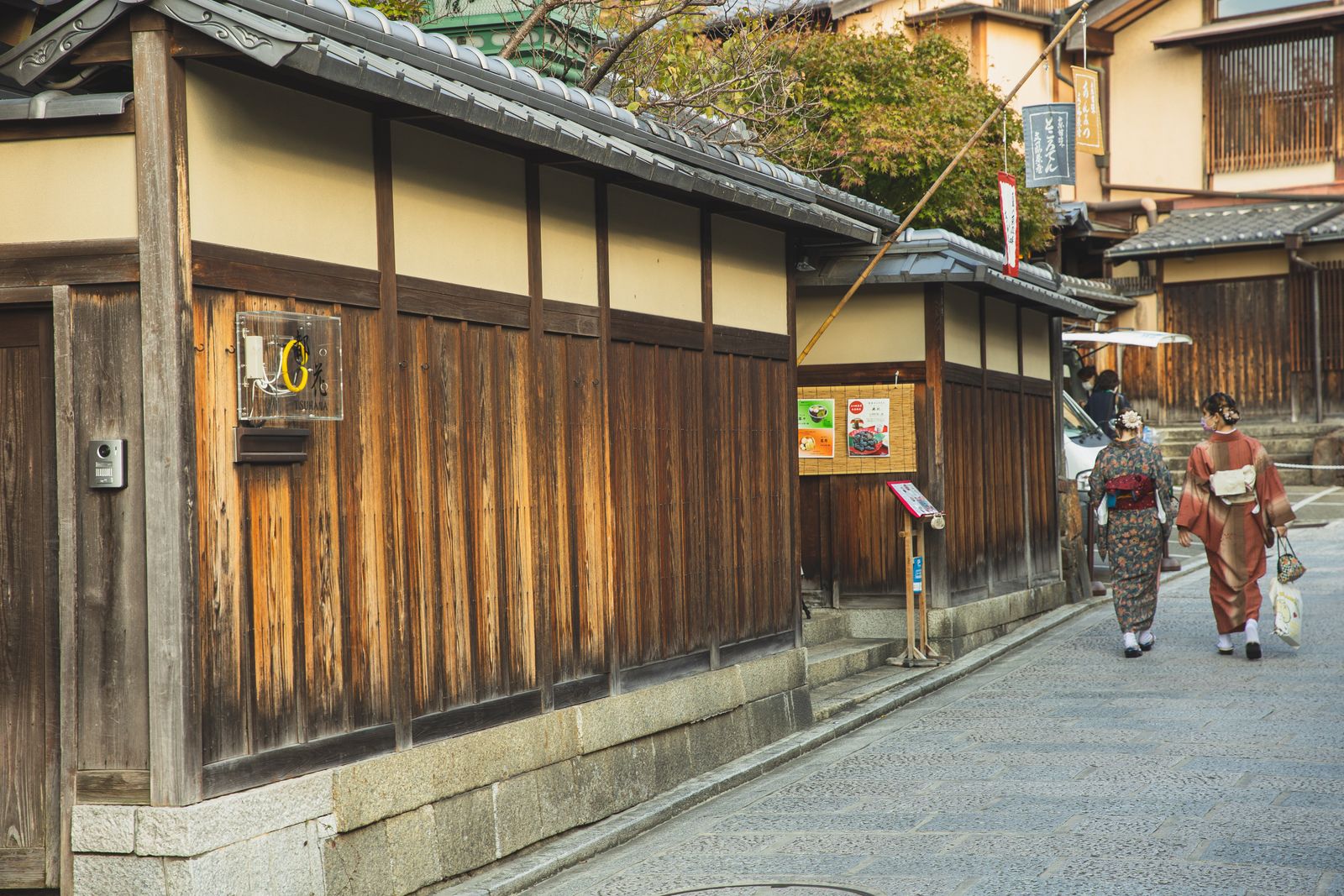
Understanding is a different goal, and a guide covers it well. What a teahouse is, why Gion grew up around Yasaka Shrine, which lanes you may turn into. The district’s own manner message asks guides to brief guests on the rules before they set off. So on a guided walk, the etiquette is handled before you’ve taken a wrong step.
If you’d rather read up and wander, the explanation part is the only thing you’re giving up.
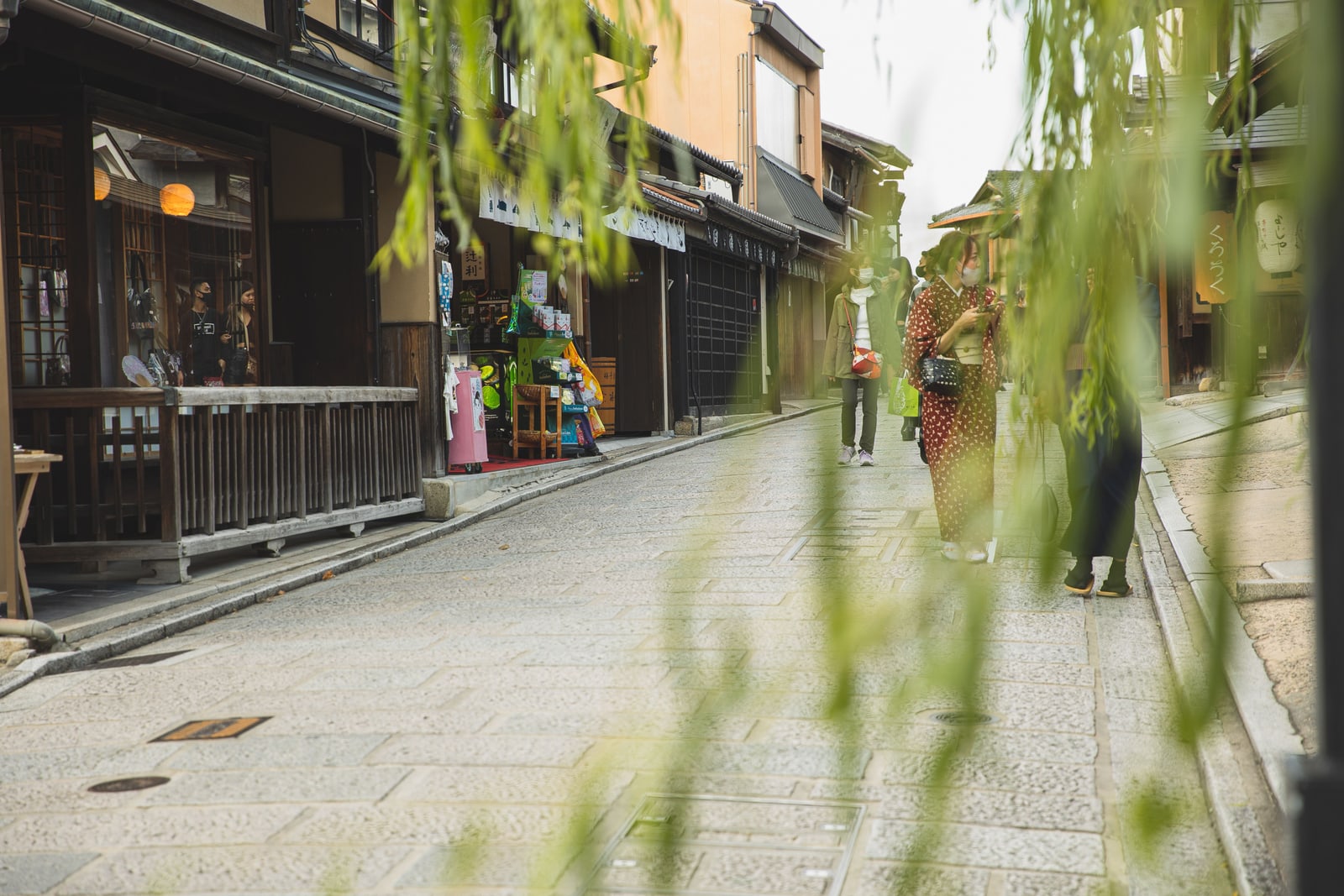
Second: the rules, and the one thing a guide can’t change
Gion’s rules came in three steps, and each one is dated.
From October 25, 2019, the residents’ association banned photos on Gion’s private streets without permission, with a ¥10,000 fine. Main roads such as Hanamikoji stayed open to cameras, Time Out Tokyo reported that October.
In January 2024, Kyoto’s tourism site posted a manner message from Southern Gionmachi. It’s signed by the Gion Kobu Tea Houses Association, the Gion Geiko Association, Kennin-ji and the Southern Gionmachi Council. It asks you not to stop, touch, follow or photograph geiko and maiko without permission. It also asks you to stay out of private property and keep the sidewalk clear when you stop for photos. Following or blocking a geiko or maiko can mean detention of under 30 days or a fine under ¥10,000, the page says.
Then came the lanes. Council executive Isokazu Ota was quoted in March 2024. “We will ask tourists to refrain from entering narrow private streets from April onwards.” On May 29, 2024, a new sign went up at Kosode Koji. The English reads “Private Road Do Not Enter Fine up to ¥10,000.” The Japanese goes further: no photos and no entry for tourists or guided tours.
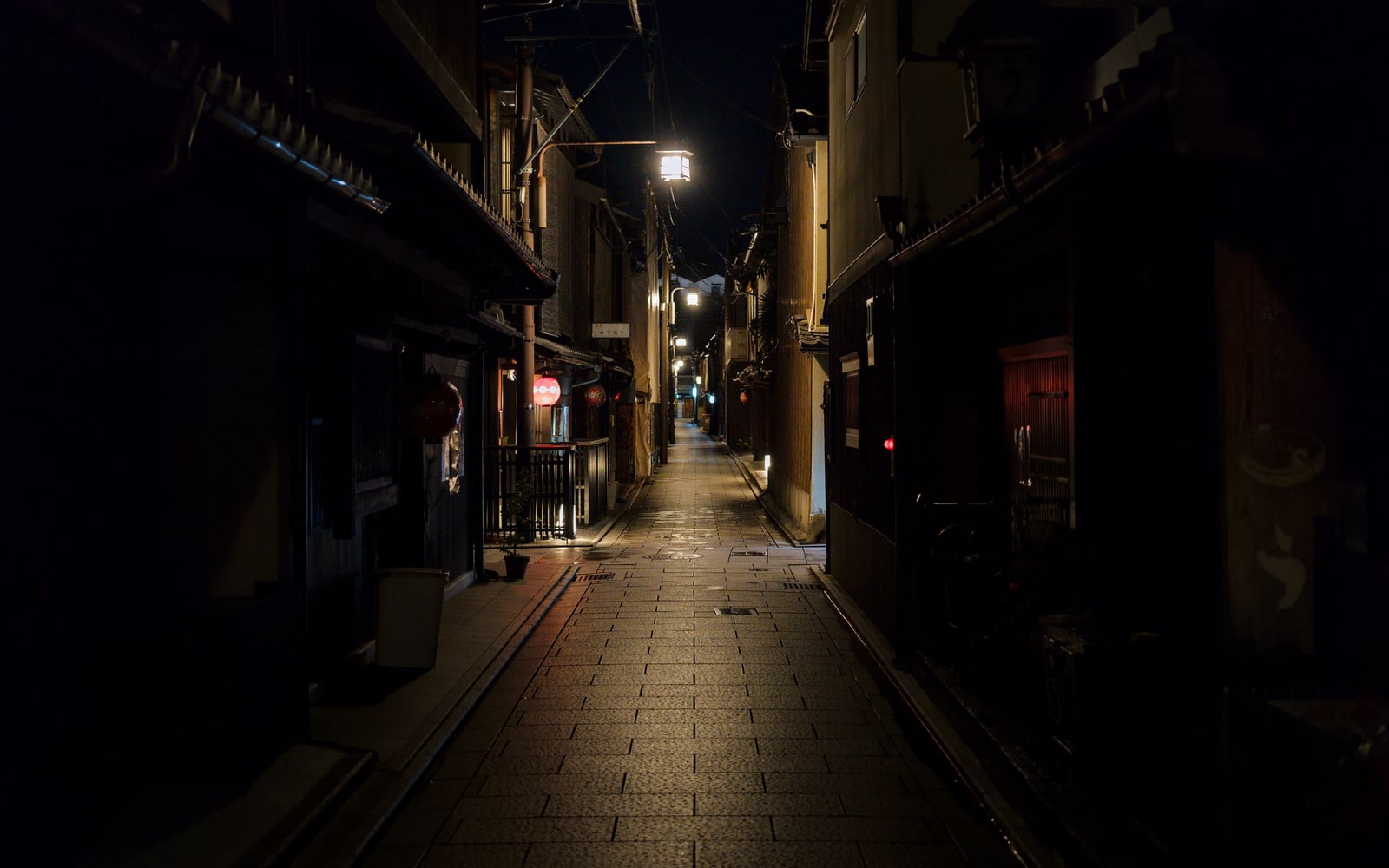
So the closed lanes are closed to everyone. A guide’s value here is knowing where the line is, and reading the Japanese on a sign you might not catch.
A few smaller rules come from the same tourism site. Tripods get in the way of traffic. Don’t touch the lanterns outside teahouses or lean on fences. Hanamikoji has no separate sidewalk; the two kinds of paving stone show where to walk.
Third: lanterns at night, or the street in daylight
Evenings bring the lanterns, and they’re also when Gion Corner’s two shows run. A walk alone can end at its door, five minutes from Keihan Gion-Shijo station.
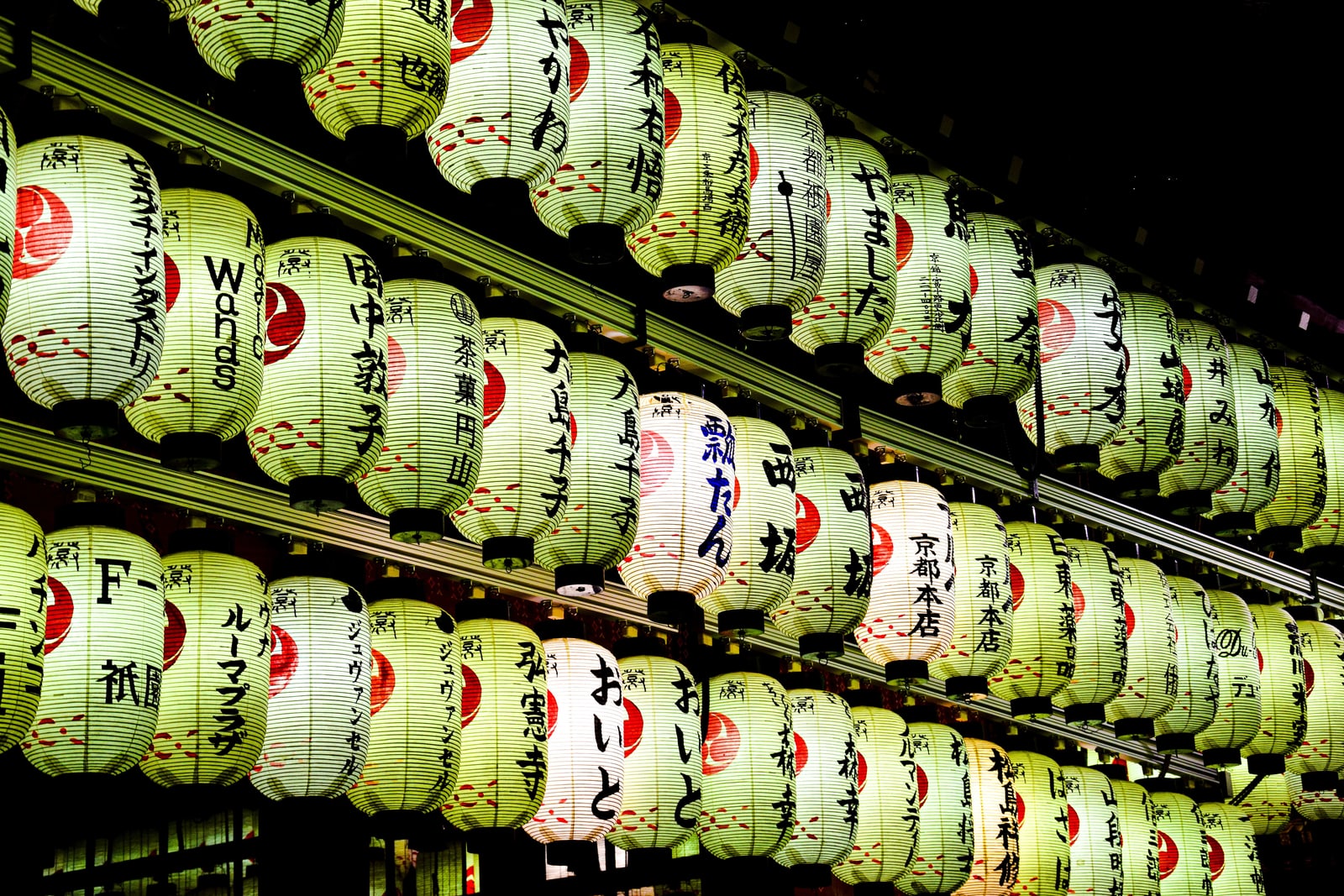
Daylight suits a self-guided walk that takes in a temple. Kennin-ji is open 10:00 to 17:00, last entry 16:30, so an evening walk only passes its gate.
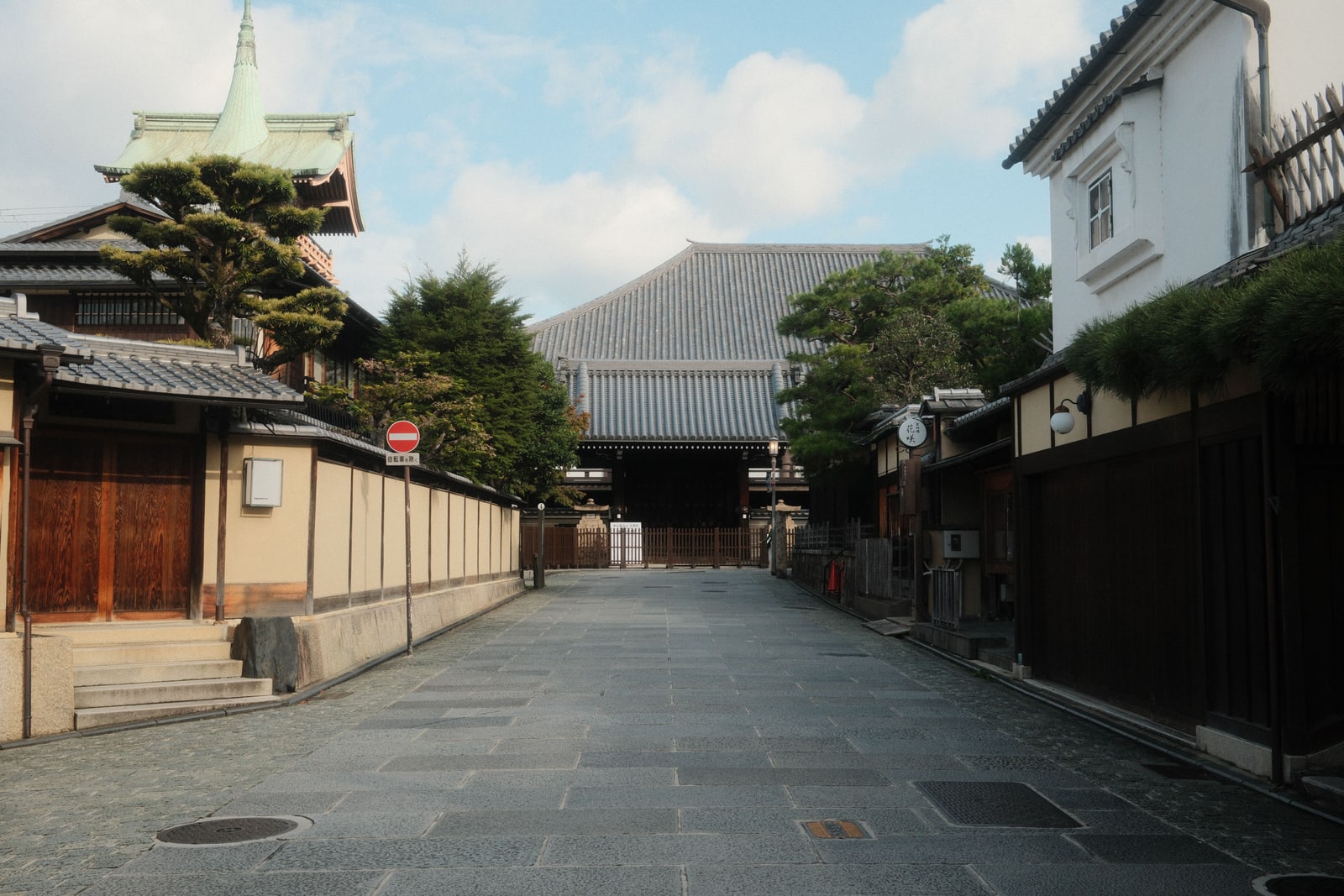
Crowds follow the calendar too. The tourism site asks for extra care in cherry-blossom season, autumn foliage and the Gion Festival in July. It also runs a live comfort map for Hanamikoji, so you can check the crowd before you walk over. The tour’s start times are on the listing; pick the one that matches the hour you want.
Fourth: the price for your party, against a free walk
This is where a close call gets settled. The tour charges per person, and the listing shows the price for your date. Alone, the route costs nothing until Kennin-ji, at ¥800 per adult on its access page in November 2026. The temple has posted a notice of a fee change, so check it before you go.
| Guided walk (Klook) | On your own | |
|---|---|---|
| Private lanes | Public streets only | Public streets only |
| Geiko or maiko | Not scheduled | Not scheduled; Gion Corner shows at 6:00 and 7:00 p.m. |
| Explanation | A guide, in English, for two hours | Signs, and this page |
| When | Start times on the listing | Any hour; Kennin-ji 10:00 to 17:00 |
| Cost | From US$11.05 per person on Klook, seen November 8, 2026; your date may differ | Free; Kennin-ji ¥800 per adult |
| Who you walk with | A join-in group | Your own party |
The per-person price multiplies with your party; the free walk doesn’t. For a family of five, the listed price counts five times; for a couple, twice.
Here’s the whole decision. Book the walk if it’s your first time in Gion, you want the district explained, and the price for your party sits fine. Go alone if you’ve read up, you’d like to start early, or you’d rather spend the evening at Gion Corner.
Decided you want Gion explained on the spot?
Kyoto: Gion and Geisha District Guided Walking Tour on Klook
Two hours with an English-speaking guide in a join-in group, listed at Yasaka Shrine. Check the meeting point and start time for your date on the listing.
See dates for the Gion walking tour on Klook →Sold on Klook (Klook Travel Technology Limited), an online travel agency. Before you book, check on the listing for your date: the meeting point, the start time, what's included, and the cancellation terms. Geiko and maiko keep their own schedules, so a sighting isn't part of any walk.
The self-guided route, in walking order
Start at Keihan Gion-Shijo station. Every stop below is on a public street or open grounds.
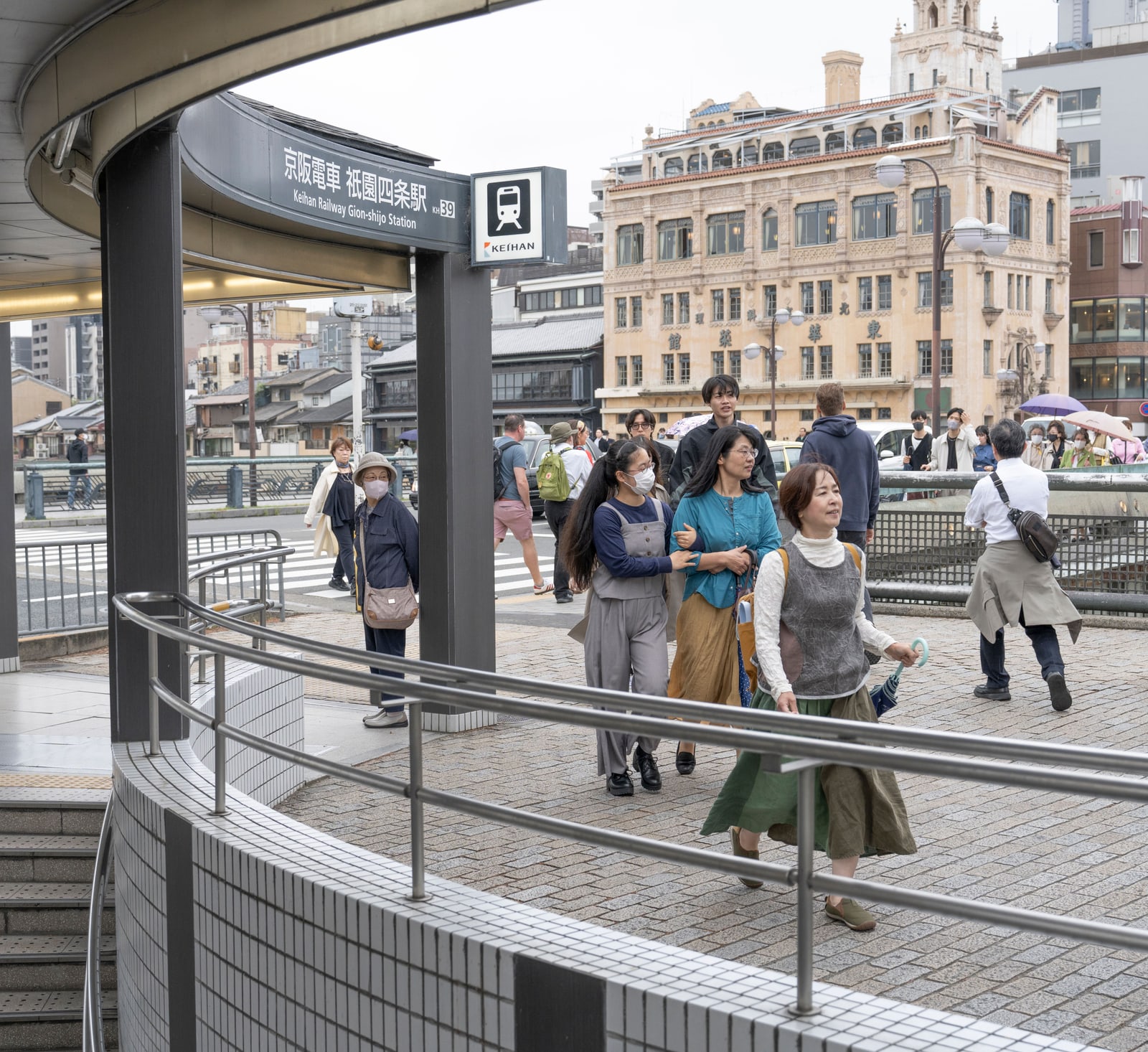
1. Yasaka Shrine. Walk east along Shijo-dori to the shrine. Gion first grew as a gate town in front of it, back when it was called Gion Shrine.
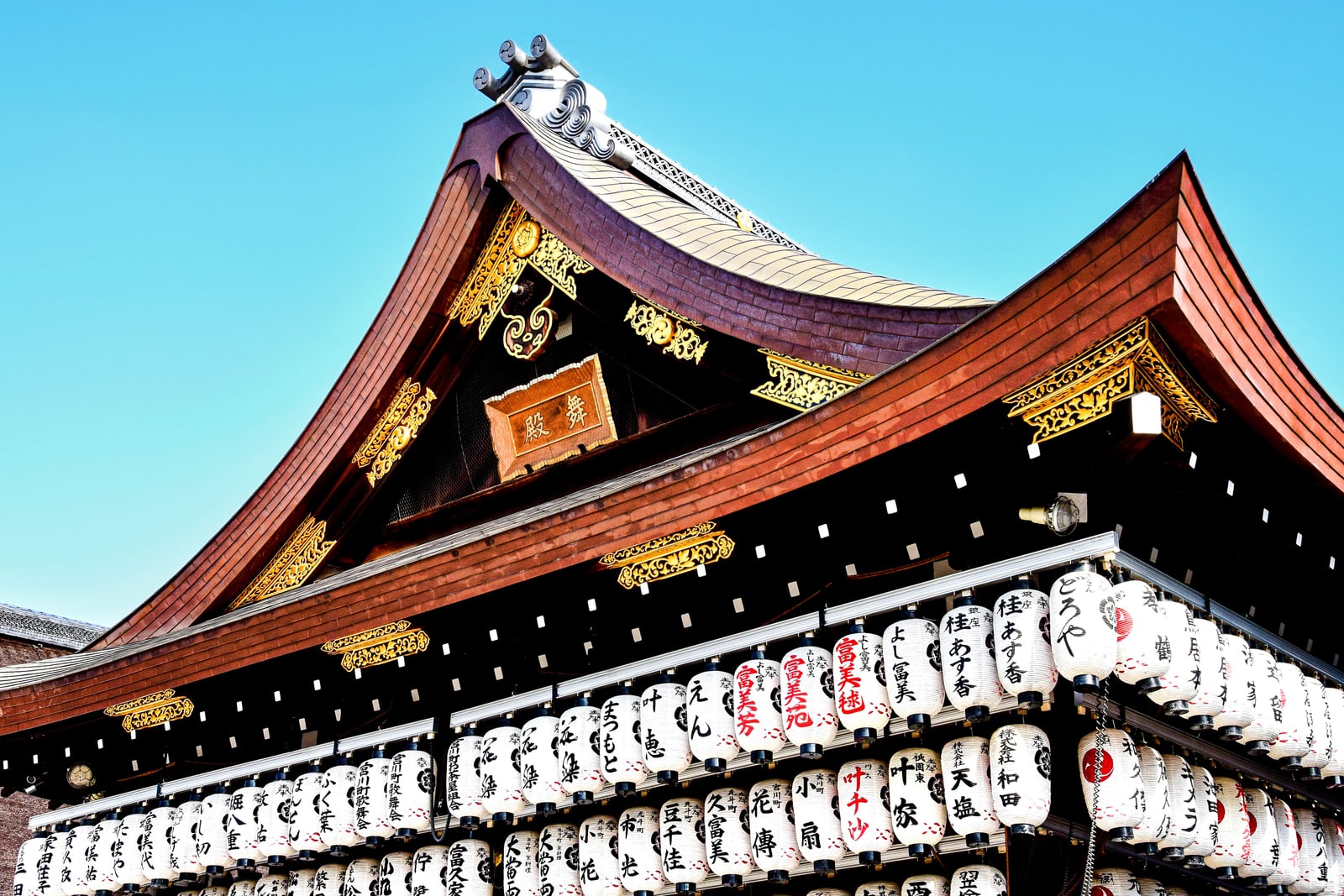
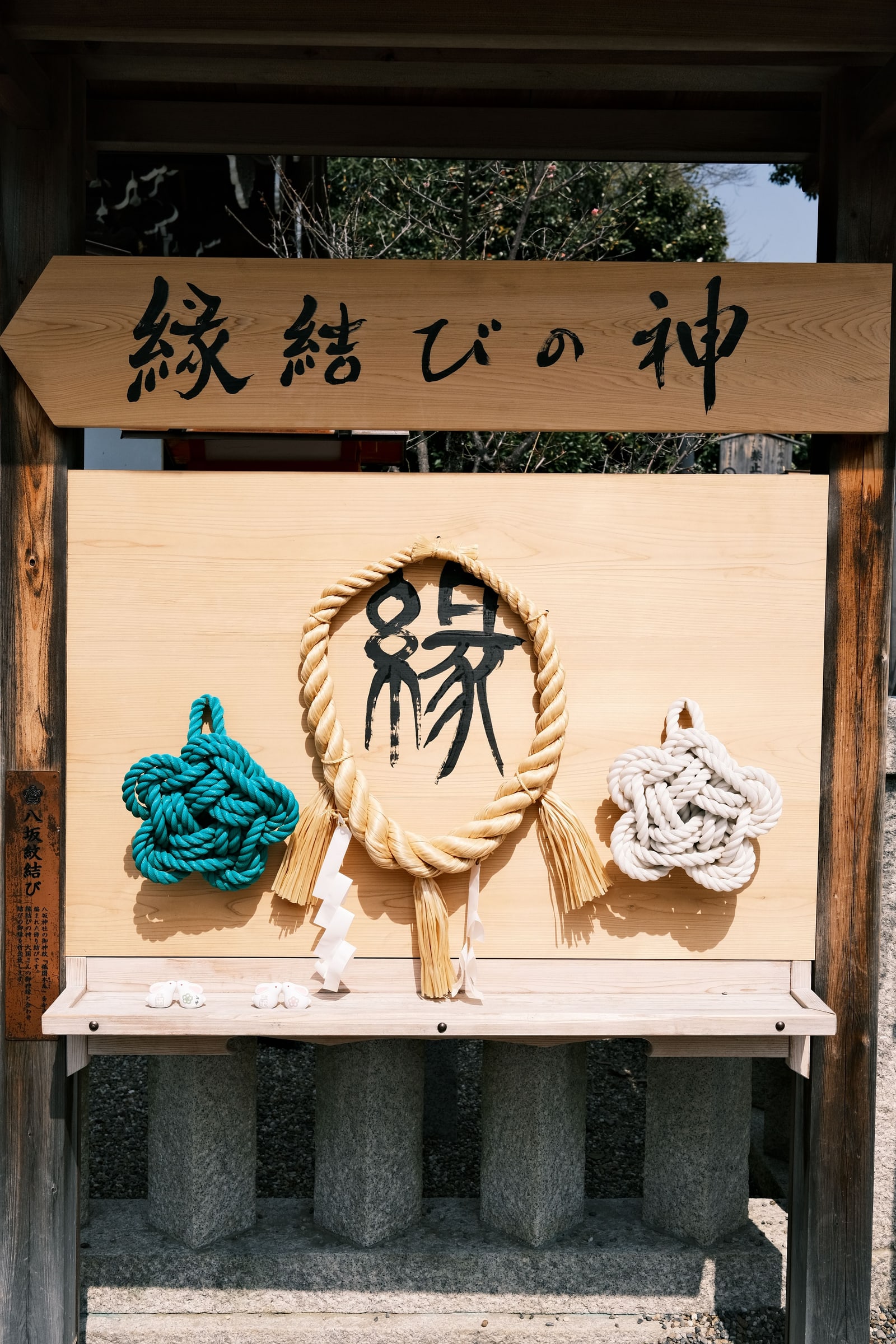
2. Hanamikoji. Head back west on Shijo and turn south onto Hanamikoji. Photos are fine here; it’s the side lanes that carry the signs.
3. Kennin-ji. It sits south of Shijo too, seven minutes on foot from Gion-Shijo station. Go before 16:30 if you want to go in.
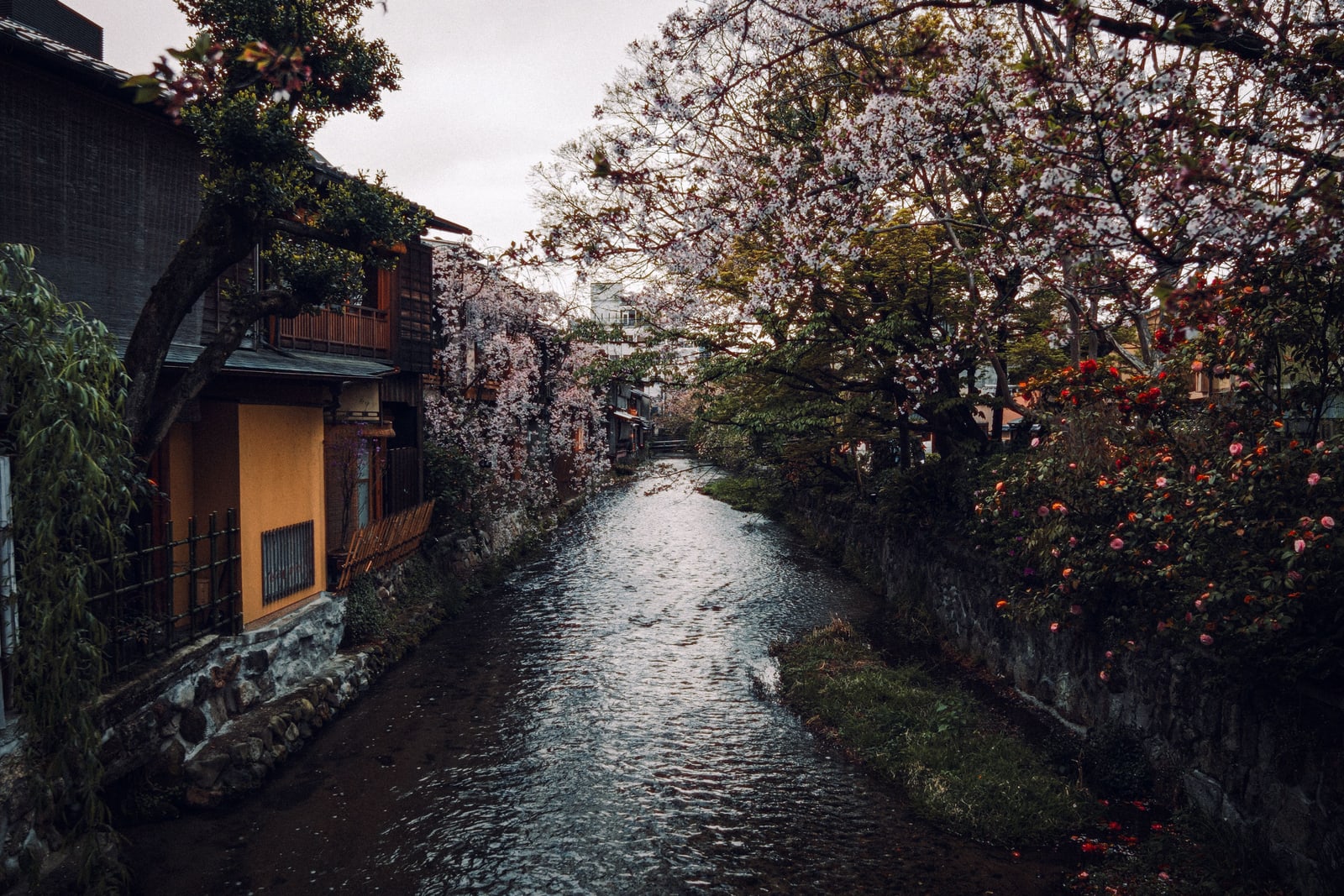
4. The Shirakawa and Tatsumi Bridge. Cross back north of Shijo-dori into the Gion Shinbashi preservation district, a protected block of old teahouse buildings along Shinbashi-dori. The small Tatsumi Bridge crosses the Shirakawa canal, with the Tatsumi Daimyojin shrine beside it. From there, Gion-Shijo station is back south.
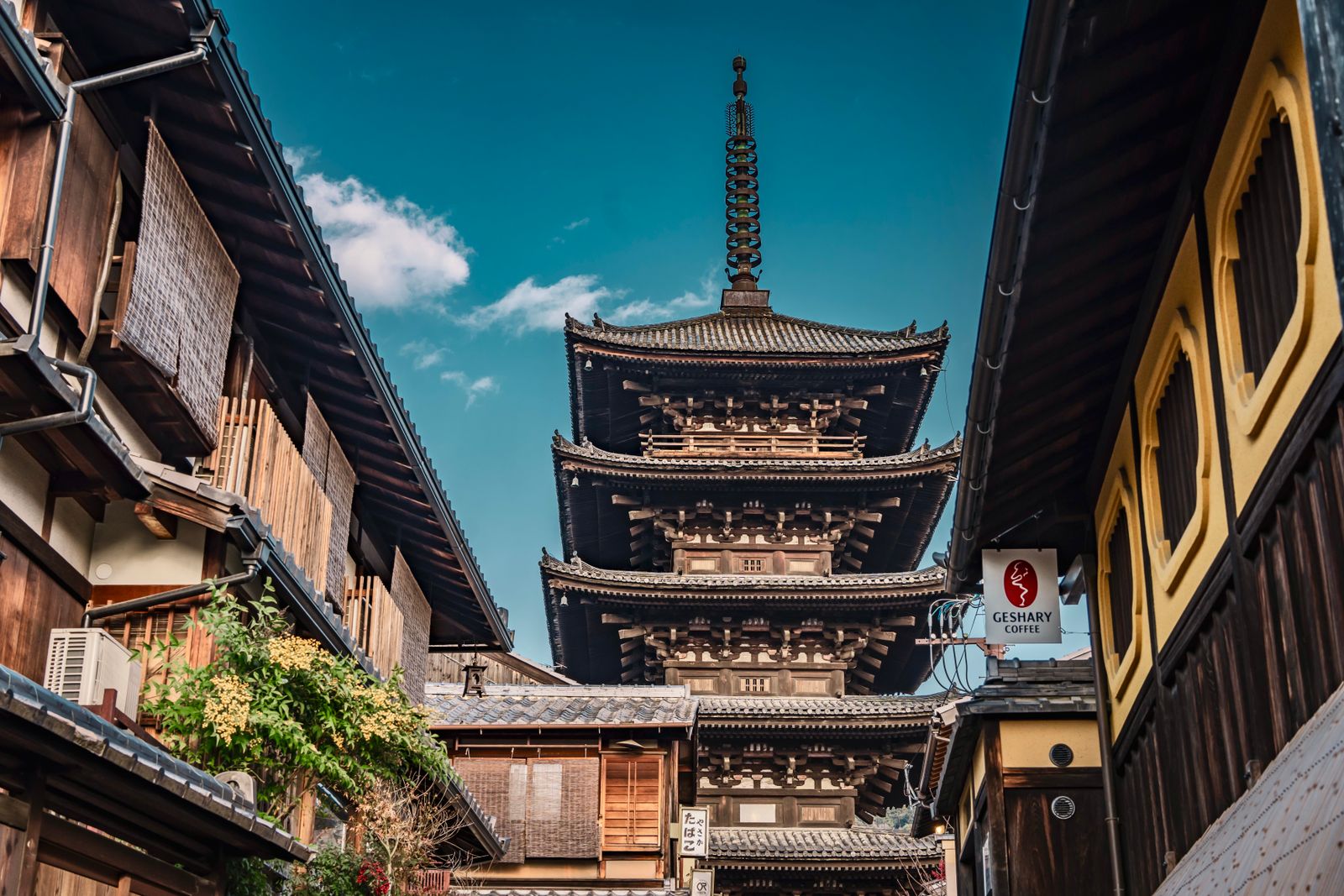
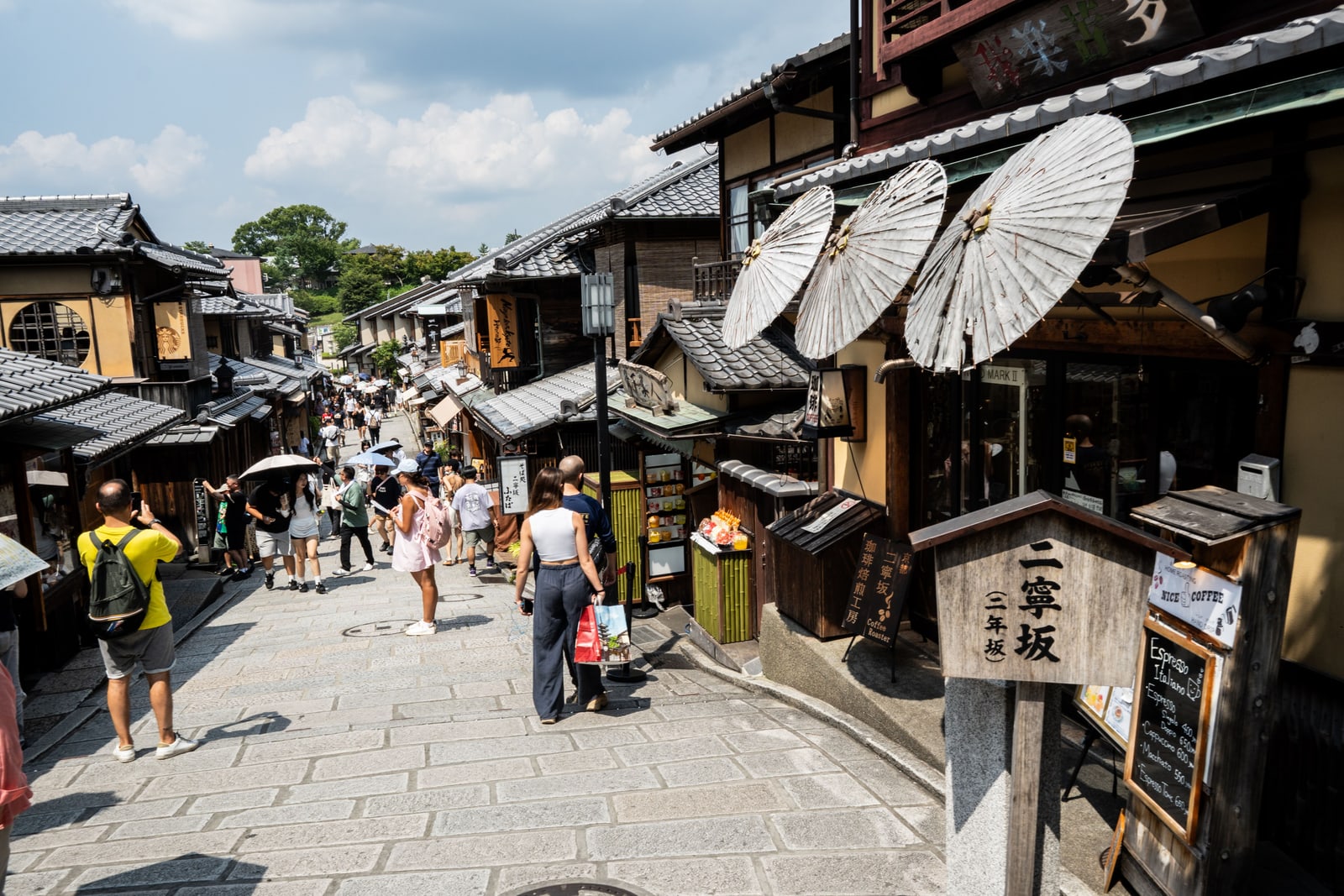
With more daylight, keep going uphill from Yasaka Shrine. Yasaka-dori climbs to the Yasaka Pagoda, and the stone slope of Ninenzaka is close by.
Next
Pick the hour first. If it’s evening, decide between the tour’s start time and a Gion Corner seat. If you’re still choosing a base, Gion or Kyoto Station settles where to sleep. For the rest of the visit, Kyoto in 2 days puts Gion on the right day. And if a kimono is part of the plan, the kimono rental page has the return time to plan around. For the streets and sights beyond the tour, see things to do in Gion.