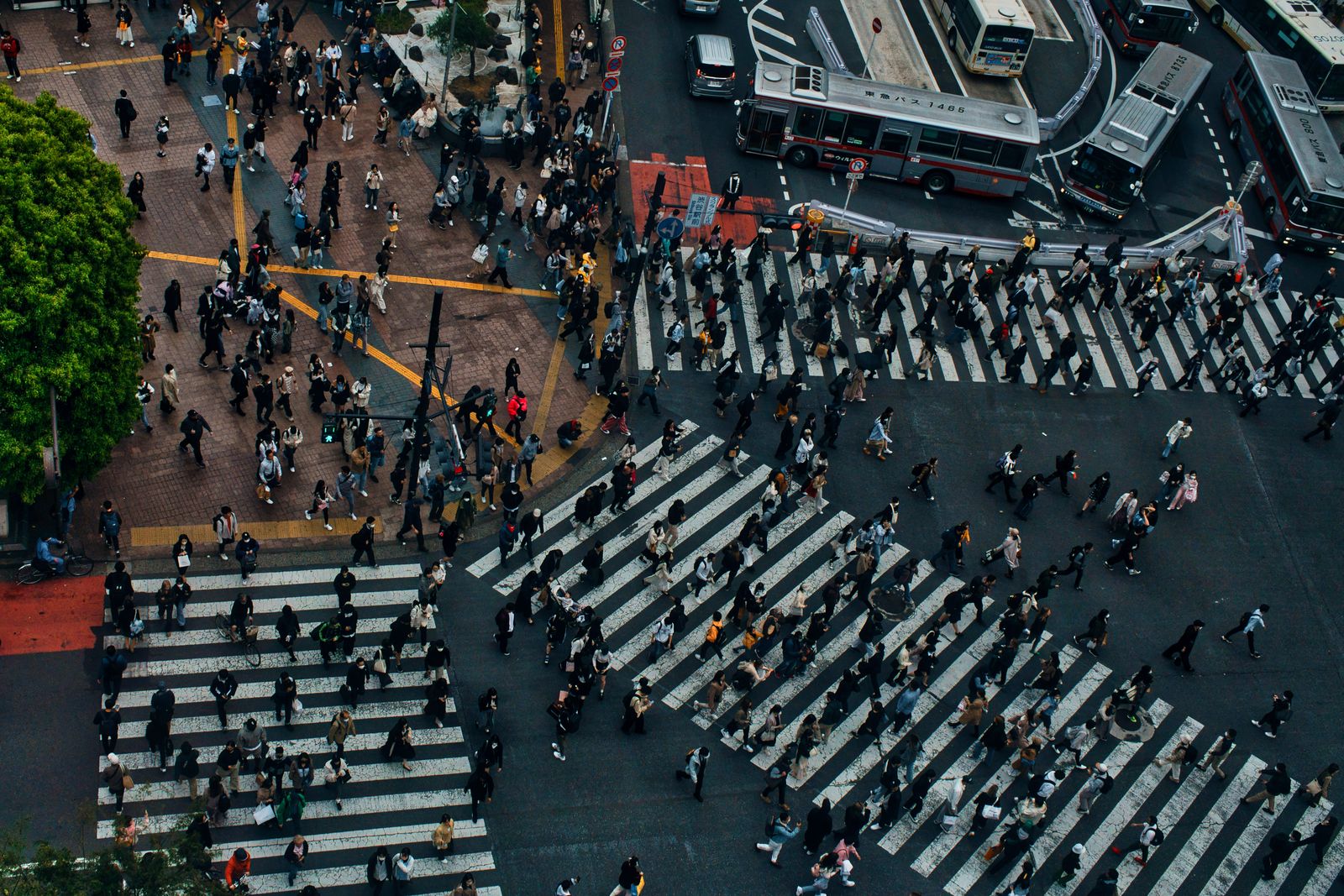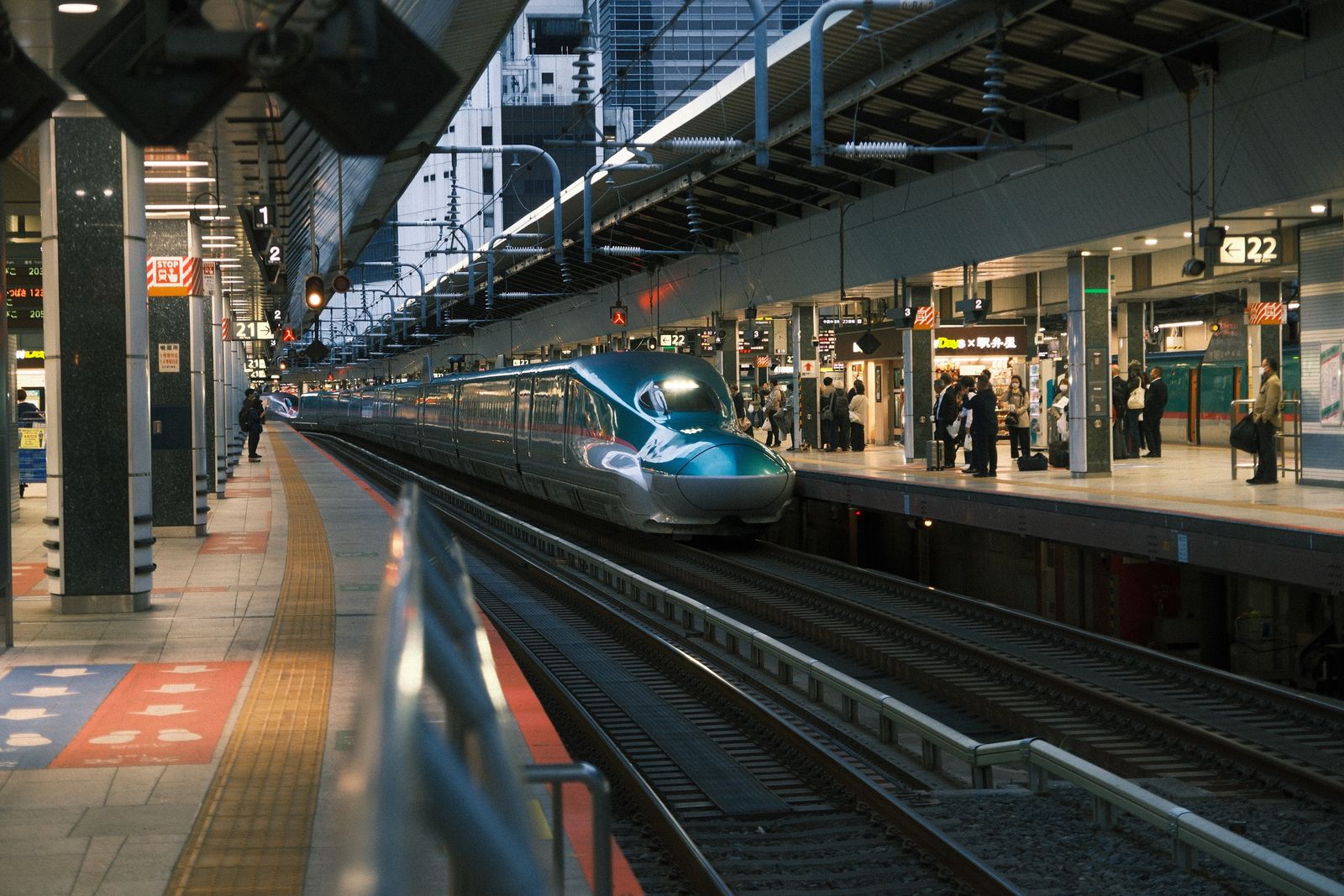
Yes. The 2026 Global Peace Index ranks Japan 10th of 163 countries, with a score of 1.489.
That answer is true, and it is also the part you already had. What nobody hands over is the small print on the advice attached to it — the hour, the day, the line you happen to be on. Those conditions decide whether any of that advice is any use on the morning you are actually standing on a platform.
So this page is the small print: who answers when you dial, what the Tokyo police actually tell you to do, the days the car you were told to use is not running, and one rule for the man outside the bar.
The short version
Everything on this page that you can act on, before any of the explanation.
- 110 — police.
- 119 — fire and ambulance.
- 050-3816-2787 — the Japan Visitor Hotline, run by JNTO. From outside Japan, +81-50-3816-2787. Twenty-four hours a day, 365 days a year, in English.
- If someone touches you on a train: make noise, ask the people around you for help, then call 110. That is the Metropolitan Police Department’s own advice, and the fuller version is below.
Put the hotline in your phone now, while you are at a desk with a keyboard.
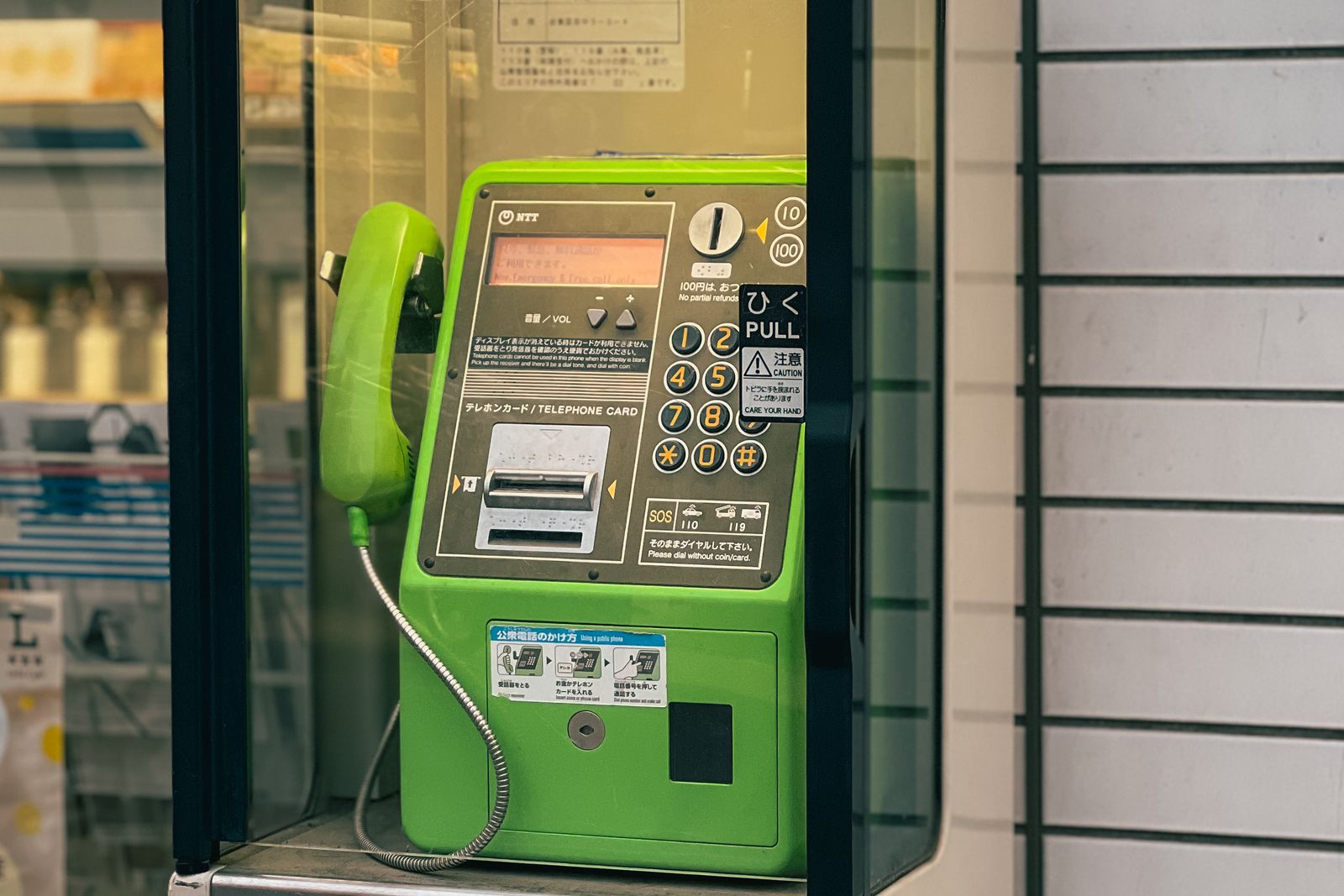
The packed morning train
On a packed rush-hour train, groping is a crime. Not a nuisance, not a cultural quirk, and not something you are expected to absorb.
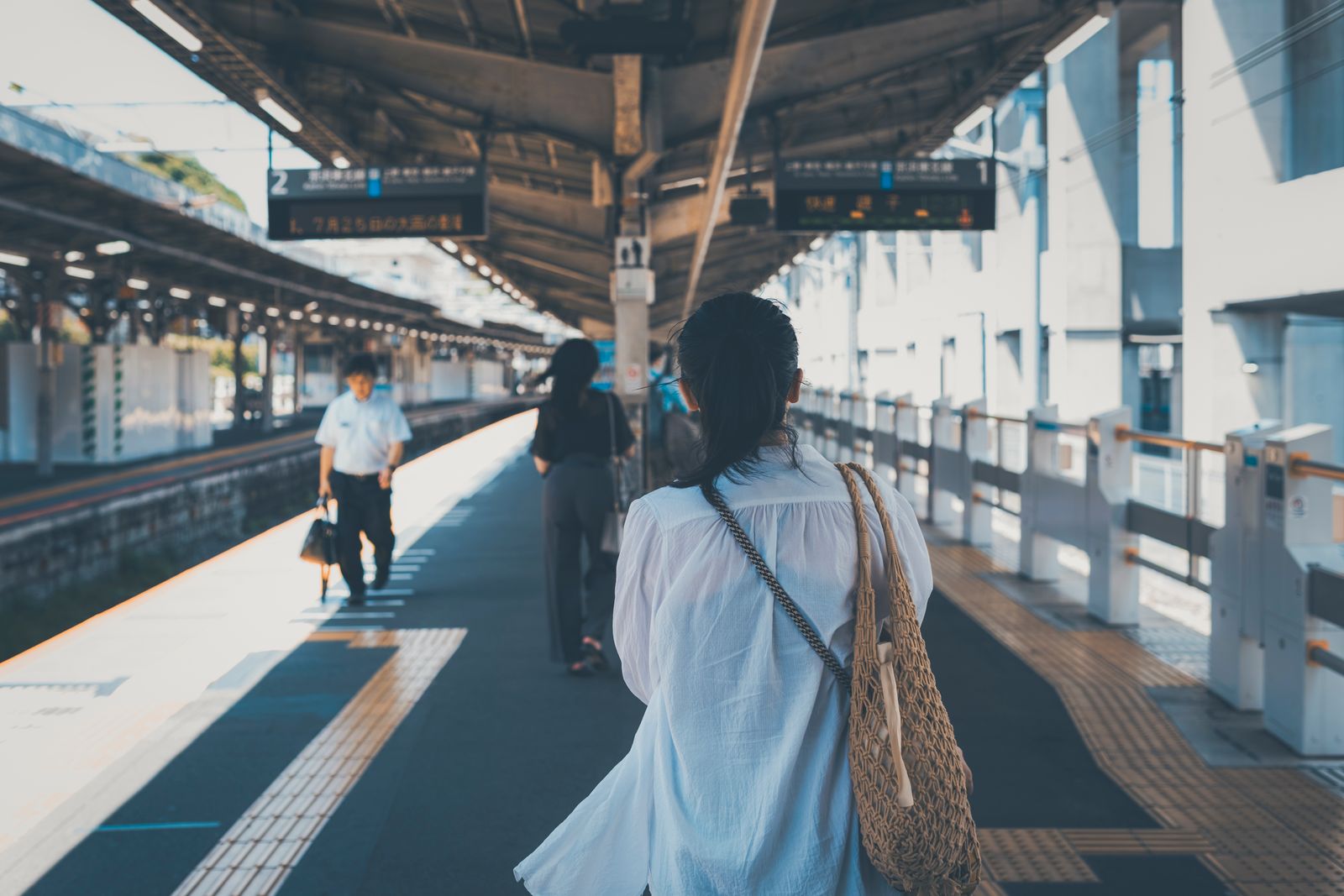
In Tokyo it is covered by the metropolitan anti-nuisance ordinance, Article 5(1), which carries up to six months’ imprisonment or a fine of up to ¥500,000, rising to a year or ¥1 million for habitual offenders. It is separately an offense under the Penal Code. The Metropolitan Police Department made roughly 950 arrests under that article in Tokyo in 2025.
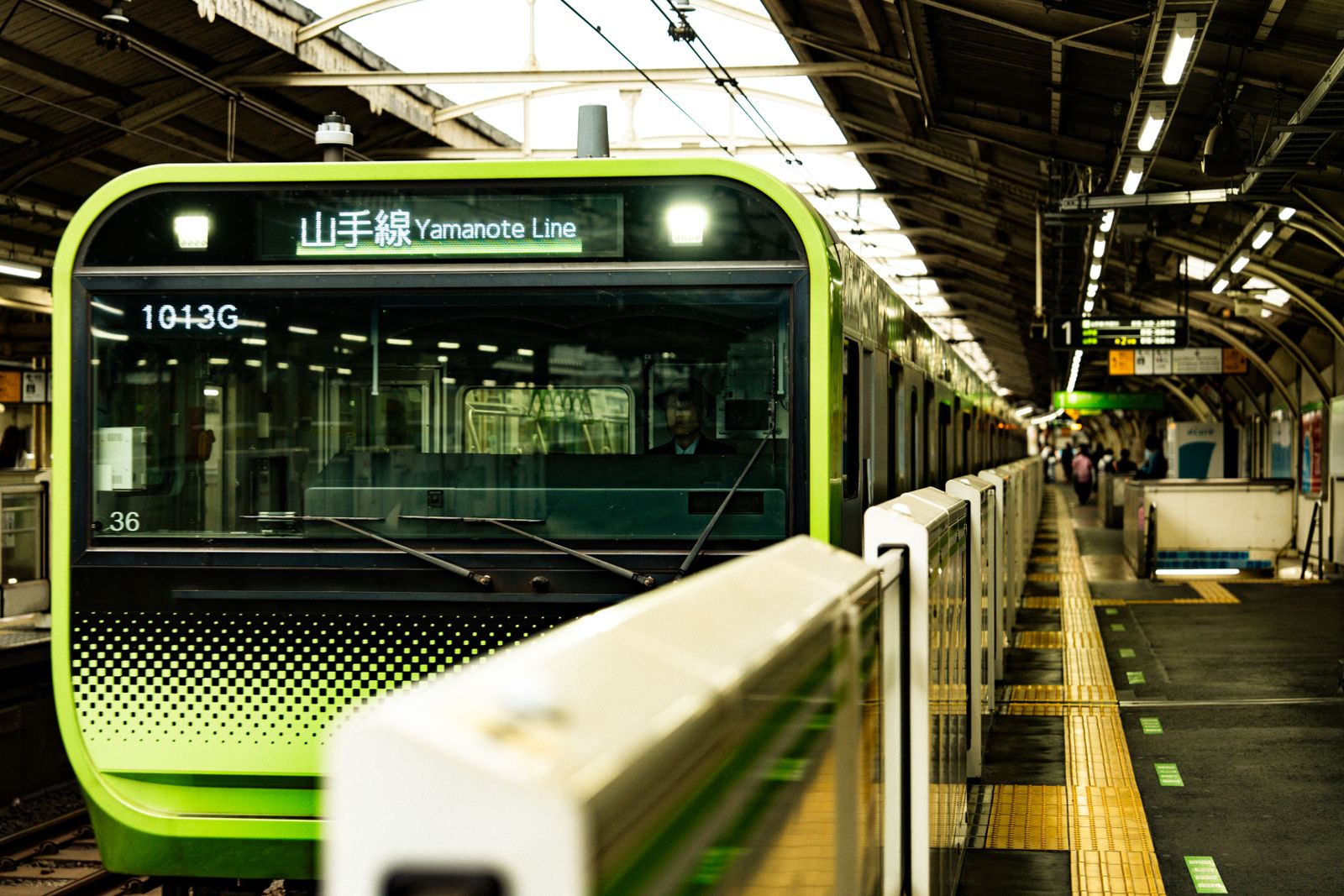
The second half matters more, because it is the part you might have to use. The Metropolitan Police Department tells victims, on its own page, to do this: sound a personal alarm or raise your voice to draw help from the people around you, and then call 110 without hesitating. The Cabinet Office says the same thing in its own words.
Three moves: noise, the people standing next to you, then 110.
The car you were told to use, and the mornings it isn’t there
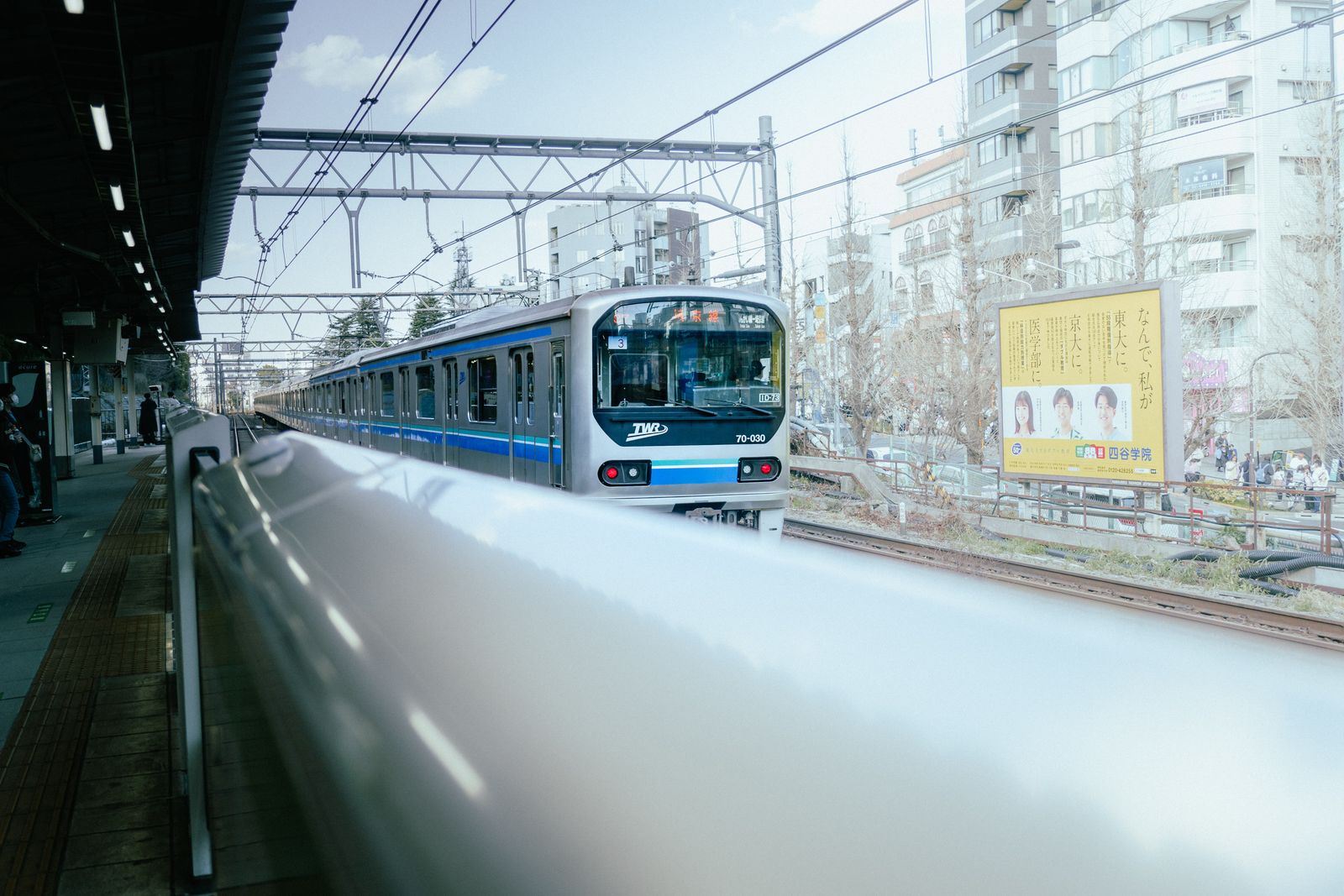
There is no national women-only car. Each operator sets its own hours, and they do not agree — so we read five operators’ own pages.
What every operator we read has in common
Tokyo Metro, Keio, Odakyu, Hankyu and the Rinkai Line all run one, on weekdays only. On three of the five it is a morning-rush facility and nothing else. None of the five runs one on a Saturday, a Sunday or a public holiday.
Hankyu states the criterion most exactly. It sets the car only on days the weekday timetable runs, and names New Year, Golden Week and Obon among the periods it does not.
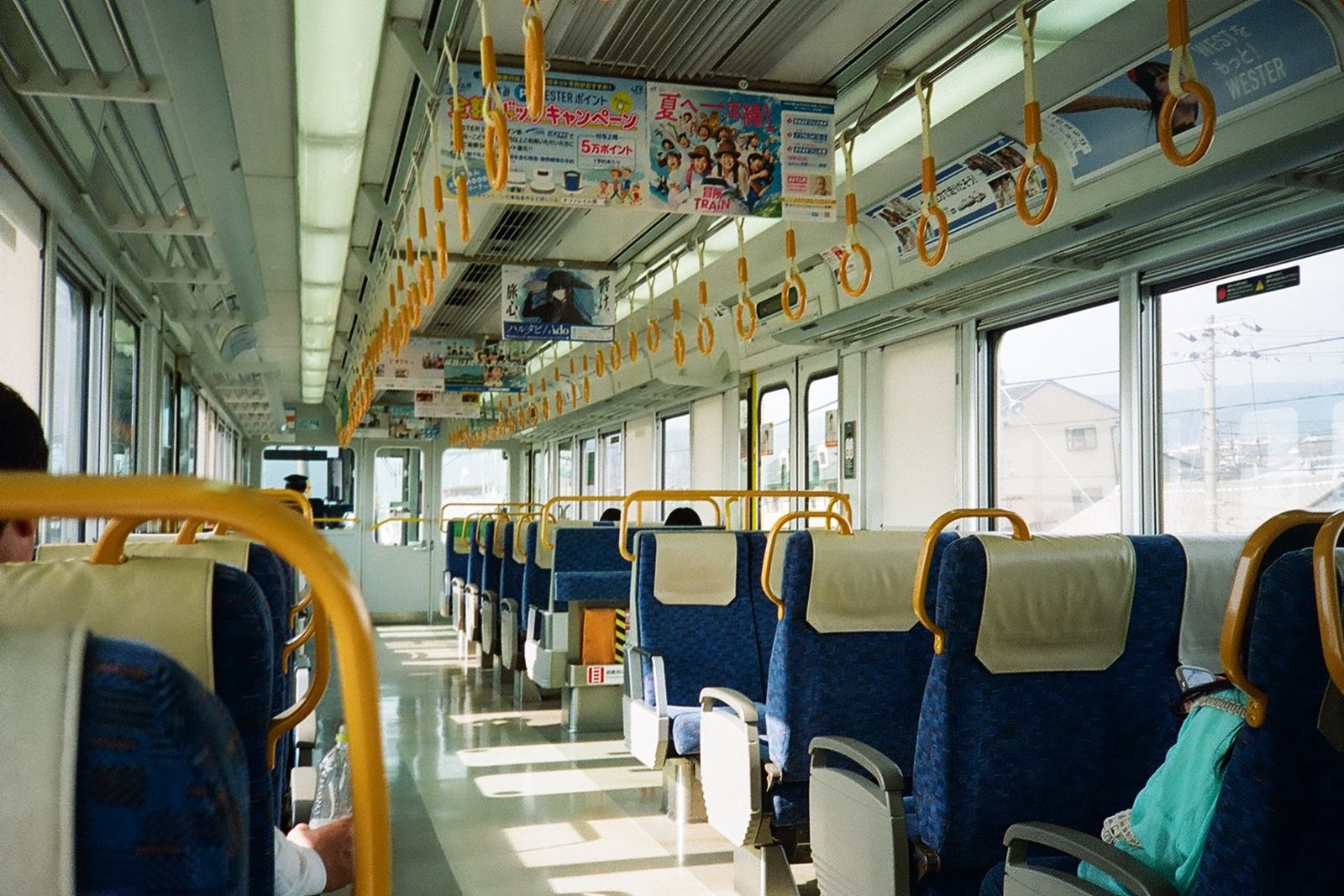
Where there is no car at all
Tokyo Metro lists six lines. The Ginza, Marunouchi and Namboku lines are not among them.
Service class decides it too. Keio’s morning car runs on trains arriving at Shinjuku between 07:30 and 09:30, and only on 特急 (Limited Express), 急行 and 区間急行 services — a 快速 or a local train inside that window has none. Odakyu’s runs on Rapid Express, Commuter Express and Express trains into Shinjuku in the same window, car 1, and is suspended during service disruption.
Two of the five run a second car outside the morning. Keio’s is on trains leaving Shinjuku from 18:00, and only between Shinjuku and Chofu. The Rinkai Line runs car 10 from Osaki between 07:45 and 09:45, and again from Shin-Kiba from 22:42 to the last train.
Who else is allowed on it
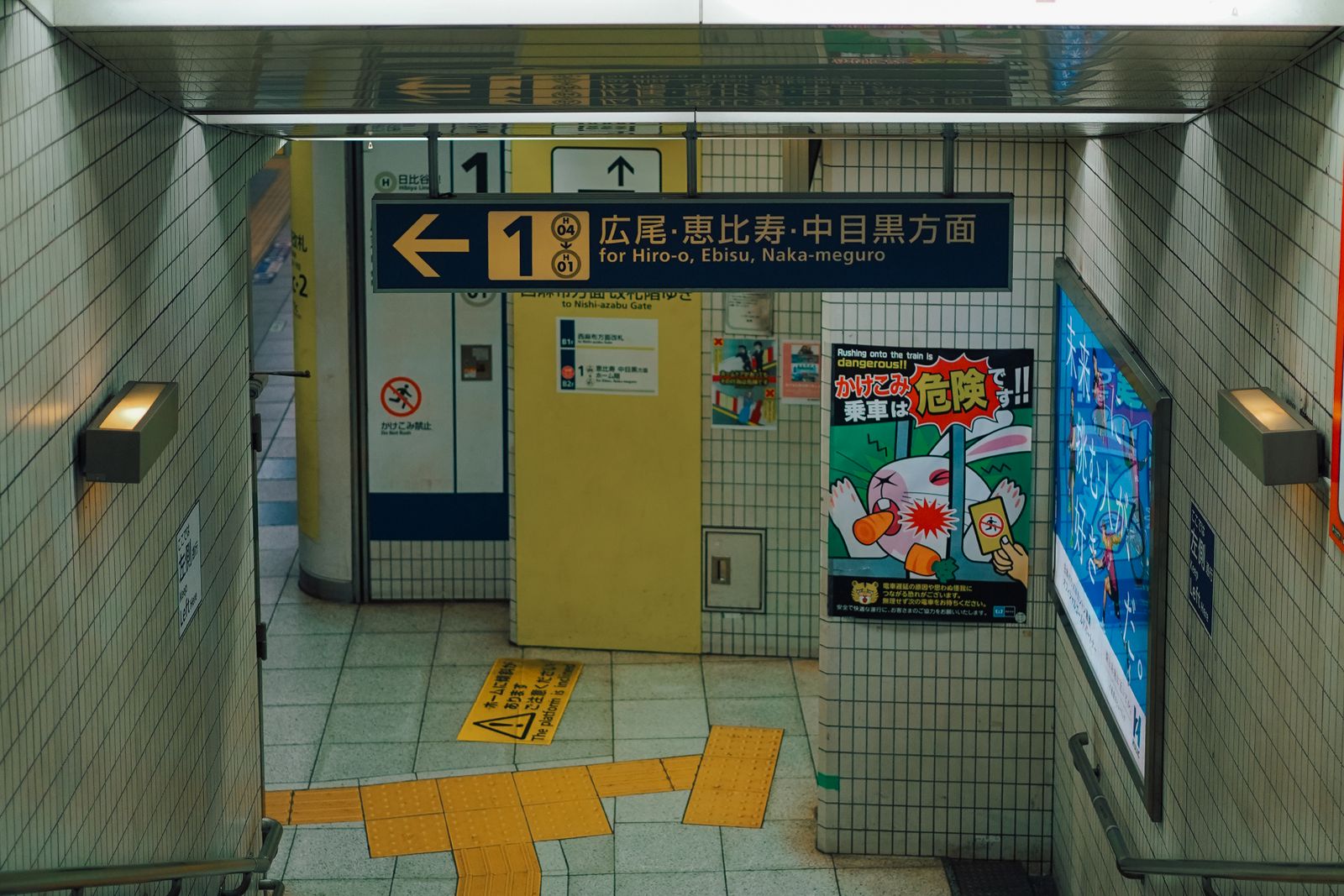
Every operator frames the car as a request. None of the five pages states a penalty of any kind. And each one explicitly admits some male passengers: boys of elementary school age and under, men with disabilities, and male caregivers.
So a man in that car is not necessarily in the wrong one — the operators’ own rules put several classes of male passenger there.
All of this is published by the operator, and rail timetables change — usually in March. The operator’s own page is the only place it is current.
JBJ'S TAKE
The police instruction beats the car.
The cars are good. They are also safety advice with an operating timetable, which is a strange thing for safety advice to have.
So don't build a plan on them. If your operator is running one and you're on the right train, use it. Otherwise, ride the train you were going to.
The instruction the Tokyo police give runs at every hour, on every line.
The man who says he knows a bar
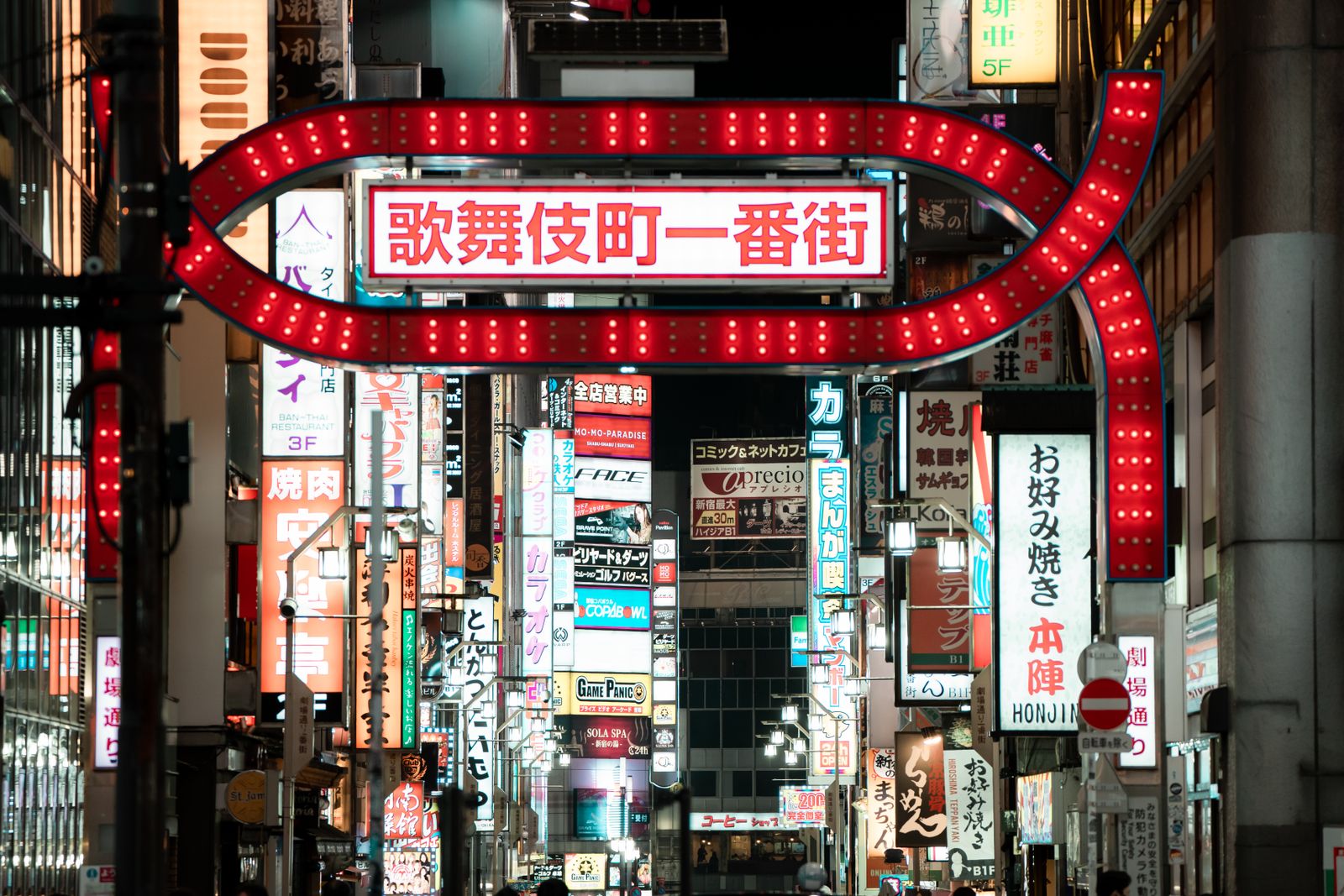
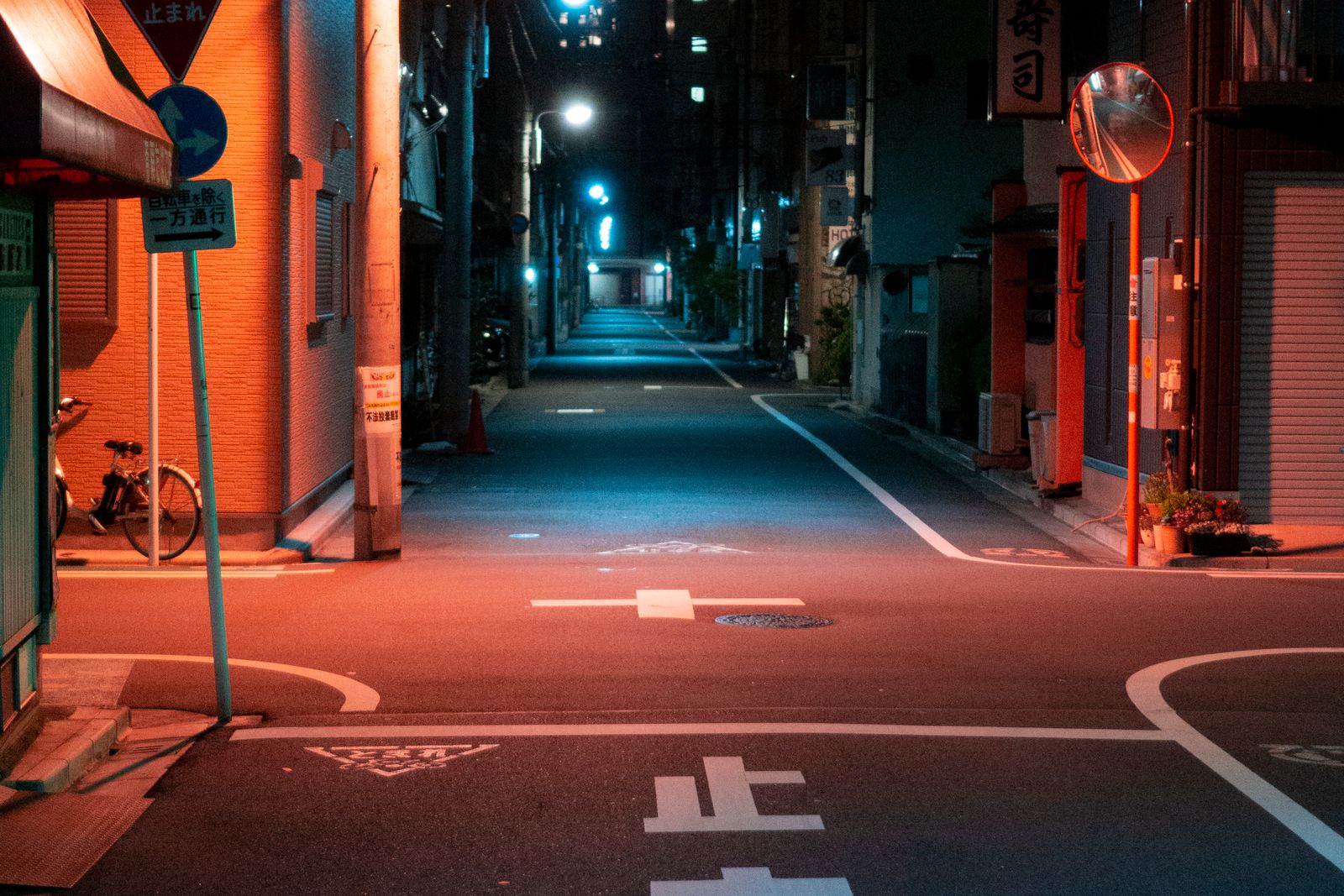
Outside a bar in Kabukicho. Someone friendly stops you on the street and offers to take you somewhere good. Whatever else is true about him, the approach itself is what the rules in this district are written about. There are two of them.
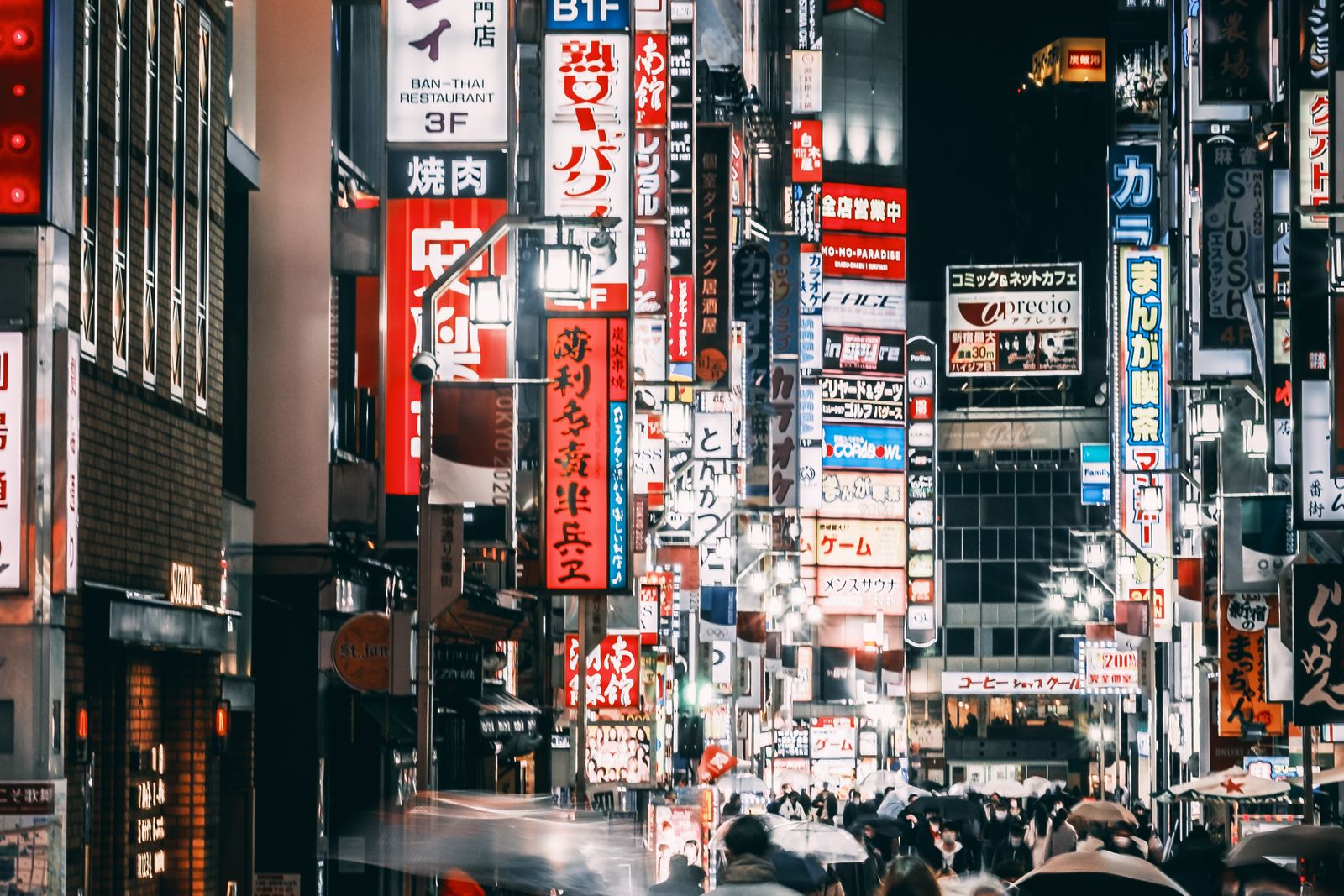
The Tokyo anti-nuisance ordinance regulates waiting in the street to tout in designated areas, and Shinjuku’s designated areas include Kabukicho 1-chome and 2-chome; they were designated on 1 June 2012. Separately, Shinjuku Ward’s own ordinance prohibits touting for izakaya, karaoke shops, cabaret clubs, host clubs and fashion health premises, and its penalty provisions have been in force since 1 June 2016. Both are published by the bodies that enforce them — the Metropolitan Police Department, and the ward.
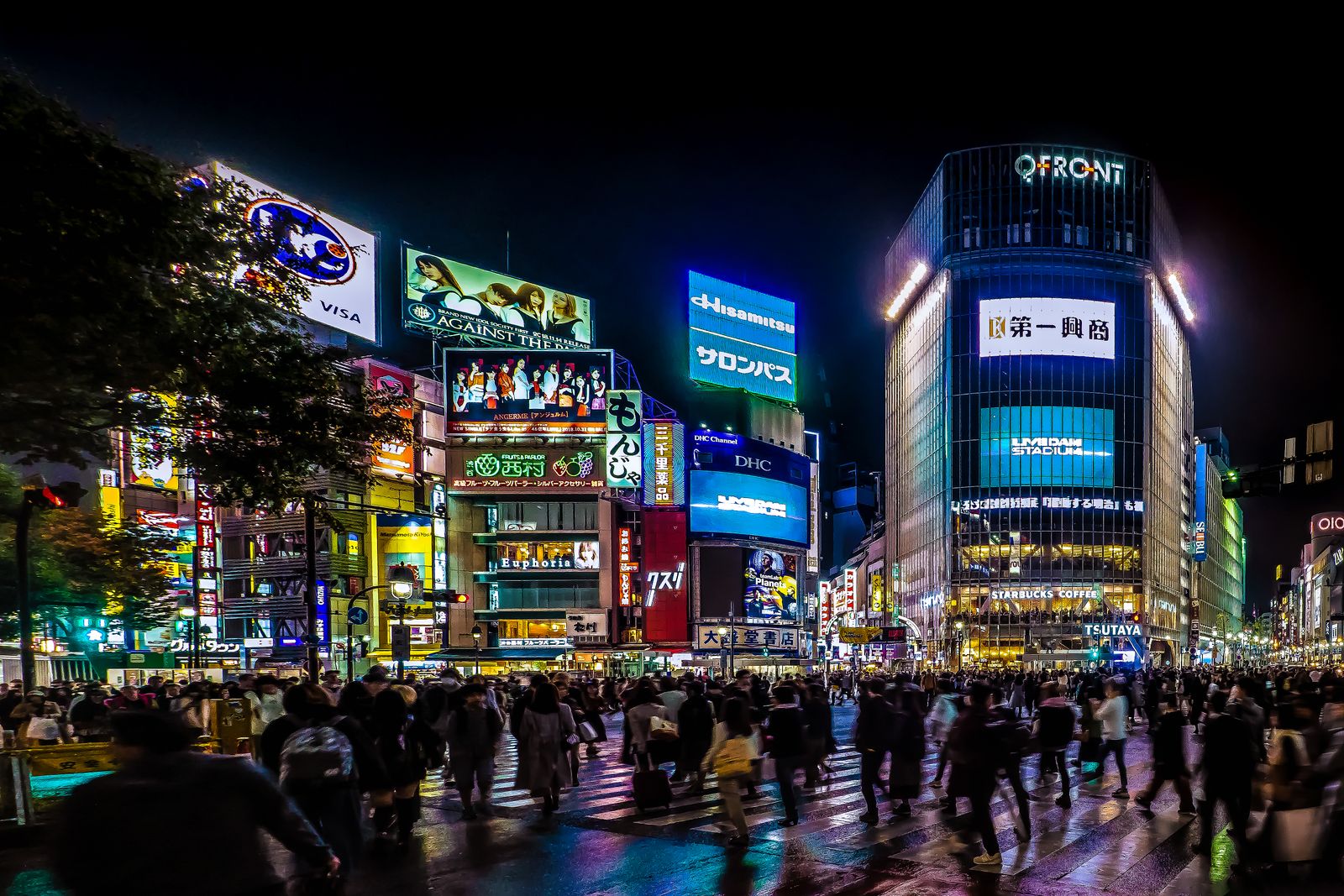
Shibuya, after six in the evening. A different ward and a different rule, so don’t carry one over to the other. Shibuya Ward prohibits drinking in public places — streets, parks — in a designated area around Shibuya Station, between 18:00 and 05:00, all year round. It has been in force since 1 October 2024, it is written as a prohibition rather than a request, and it applies to individuals.
JBJ'S TAKE
You don't have to work out whether he's genuine.
That's the trap. He will be pleasant, and you will be the one standing there worrying about being rude. Skip it.
The rule here is one line: a bar worth going to did not send a man out to find you. So no thank you, and keep walking.
It costs nothing. The worst case is you missed a bar.
The risks every other page puts first
Three things belong on a safety page and are not the subject of this one.
Earthquakes and typhoons. Preparedness is a real subject and a different one — it is done at length or not at all, and a paragraph of it would be worse than none. What matters here is that the JNTO hotline in the list above covers natural disasters as well as accident and illness, in English, at any hour.
Pickpocketing and bag theft. The habits are the ones you would use in any city — bag closed, phone off the café table. There is no Japan-specific version of that to learn, which is why it is not here.
Government advisories. If you check one before booking: the UK Foreign Office’s Japan travel advice, updated 28 August 2026, carries no advice against travel to Japan in its summary.
Who answers, and in what language
You have three numbers now. One of them publishes an English guarantee around the clock. It is worth knowing which one.
The Japan Visitor Hotline is that one. JNTO publishes it as 24 hours a day, 365 days a year, in English, Chinese and Korean, covering accidents and illness, natural disasters and general travel questions — 050-3816-2787 inside Japan, +81-50-3816-2787 from abroad. It is also the number to hand to somebody else when you cannot make yourself understood.
All of that assumes a phone that works the moment you land, and airport wifi is not that. If you have not settled how you will be connected, an eSIM or a pocket wifi router is a decision to make before you fly. A number you cannot dial is not a plan.
Before you go
Three things, and none of them takes ten minutes. Put the hotline in your phone. Look up the operator you will actually be riding, on the morning you will be riding it, on that operator’s own page. And decide the bar question at a desk, rather than on the street.
If you want the everyday version of all this, the rules that actually matter covers the etiquette questions sorted by what actually happens.
JBJ'S TAKE
Everything missing from this page is missing on purpose.
Plenty more could have gone here.
Most of it would have made you feel worse without changing anything you do. So that was the test — not how frightening a thing is, but whether knowing it changes your morning.
Nothing here is ranked by danger, because nothing here honestly could be.
That's a choice. It's the one we'd defend.
Checked September 2026. The women-only car conditions come from each operator’s own page — Tokyo Metro, Keio, Odakyu, Hankyu and the Rinkai Line — and change at timetable revisions. The ordinance, the penalties and the arrest figure from the Metropolitan Police Department, the Cabinet Office and the Tokyo ordinance text; the touting rules from the MPD and Shinjuku Ward; the drinking rule from Shibuya Ward; the hotline from JNTO; the ranking from the 2026 Global Peace Index.