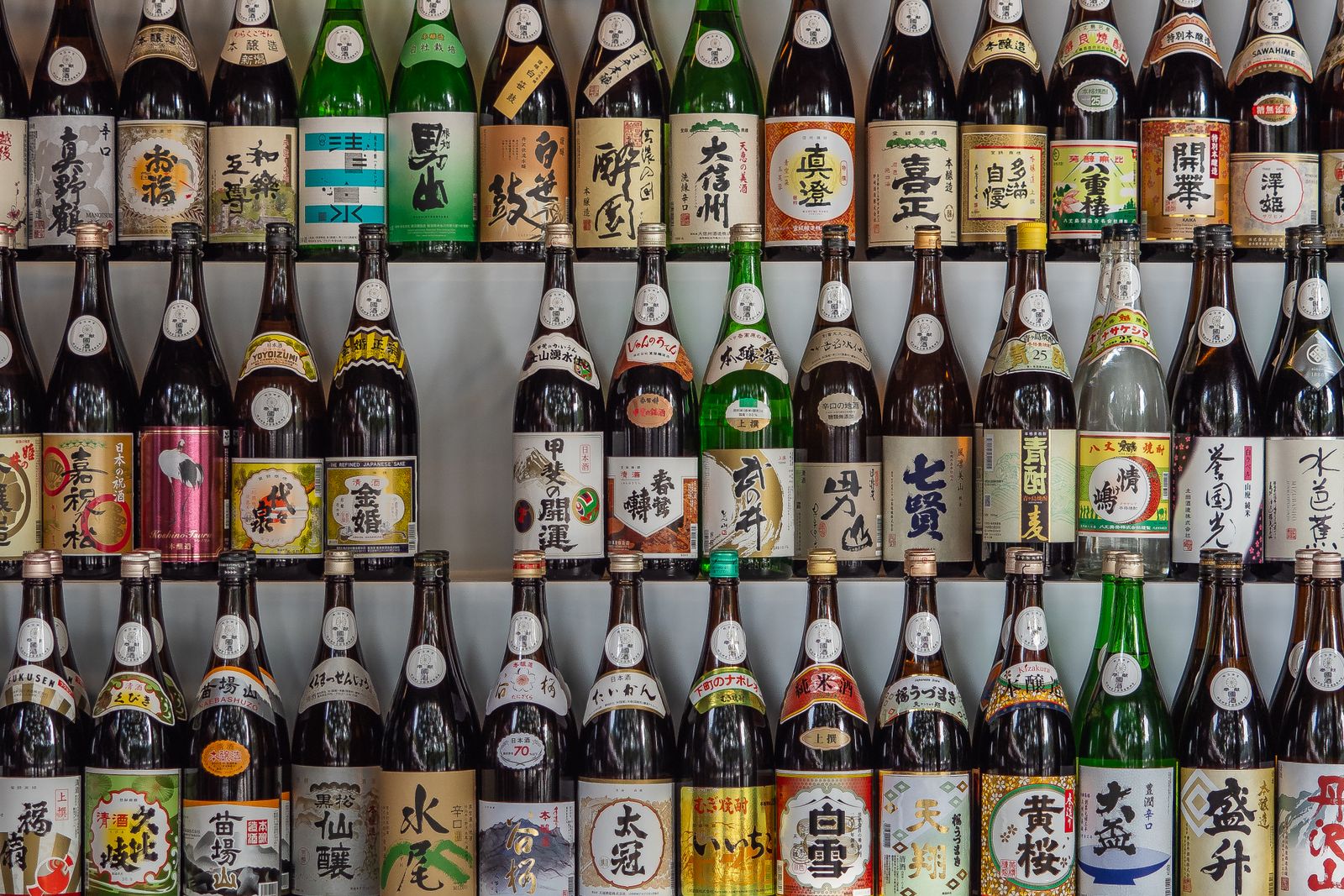
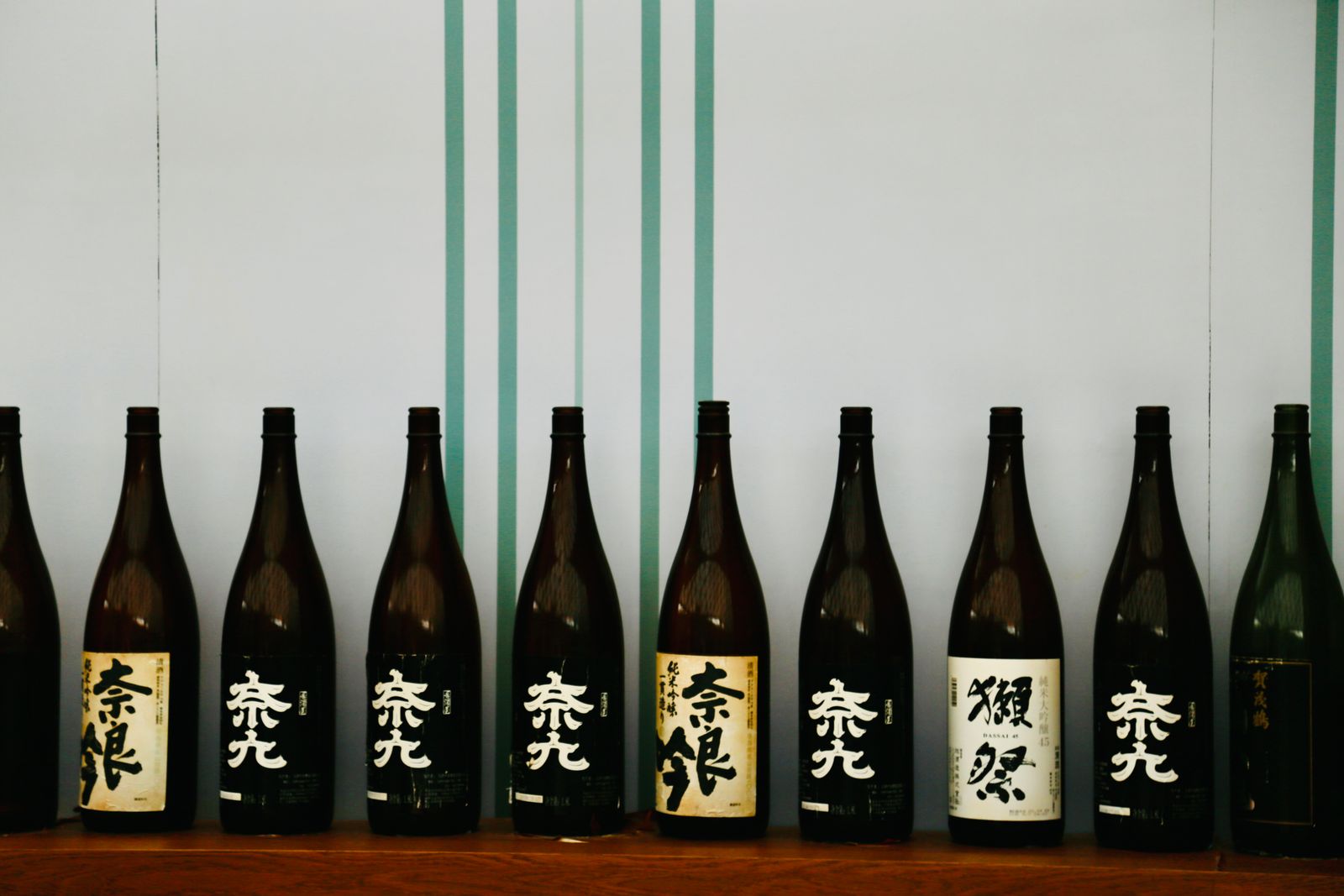
Three bottles from one brewery, three prices, and one word each: 純米酒, 吟醸酒, 大吟醸酒.
The word is a production specification. It sets a ceiling on how far the rice was milled before brewing, whether distilled alcohol was permitted as an ingredient, and a floor under how much of the rice was koji rice — and it attaches a condition about the finished flavor that the sake had to meet before the name could go on. What it is not is a ranking of the three bottles in front of you. And the single biggest category in Japan’s own shipments carries none of these names at all.
Below: what each of the eight names requires, where it sits on a real label, what a Japanese label is forbidden to say, and what to do with three bottles and one budget.
Quick Overview: the eight names, and what each one actually requires
There are eight of them, and they all come from one place: the National Tax Agency’s 清酒の製法品質表示基準, in force since April 1990. Each name is a set of production requirements a sake must satisfy before it may be printed on the bottle.
| Name | Ingredients | 精米歩合 (polishing ratio) | Koji rice | 香味等 (flavor condition) |
|---|---|---|---|---|
| 吟醸酒 ginjo | Rice, koji rice, distilled alcohol | 60% or less | 15% or more | 吟醸造り, good |
| 大吟醸酒 daiginjo | Rice, koji rice, distilled alcohol | 50% or less | 15% or more | 吟醸造り, particularly good |
| 純米酒 junmai | Rice, koji rice | — none at all | 15% or more | Good |
| 純米吟醸酒 junmai ginjo | Rice, koji rice | 60% or less | 15% or more | 吟醸造り, good |
| 純米大吟醸酒 junmai daiginjo | Rice, koji rice | 50% or less | 15% or more | 吟醸造り, particularly good |
| 特別純米酒 tokubetsu junmai | Rice, koji rice | 60% or less, or a special production method, which must be explained on the label | 15% or more | Particularly good |
| 本醸造酒 honjozo | Rice, koji rice, distilled alcohol | 70% or less | 15% or more | Good |
| 特別本醸造酒 tokubetsu honjozo | Rice, koji rice, distilled alcohol | 60% or less, or a special production method, which must be explained on the label | 15% or more | Particularly good |
Read the columns, not the rows, because two independent things are moving. One is the ingredient list: four names permit 醸造アルコール — distilled alcohol used as an ingredient — and four do not, and the four that do not are the ones containing 純米. The other is 精米歩合, the polishing ratio: the weight of the white rice as a proportion of the brown rice it came from. 60% means the outer 40% of each grain has been milled away. Lower means more milling.
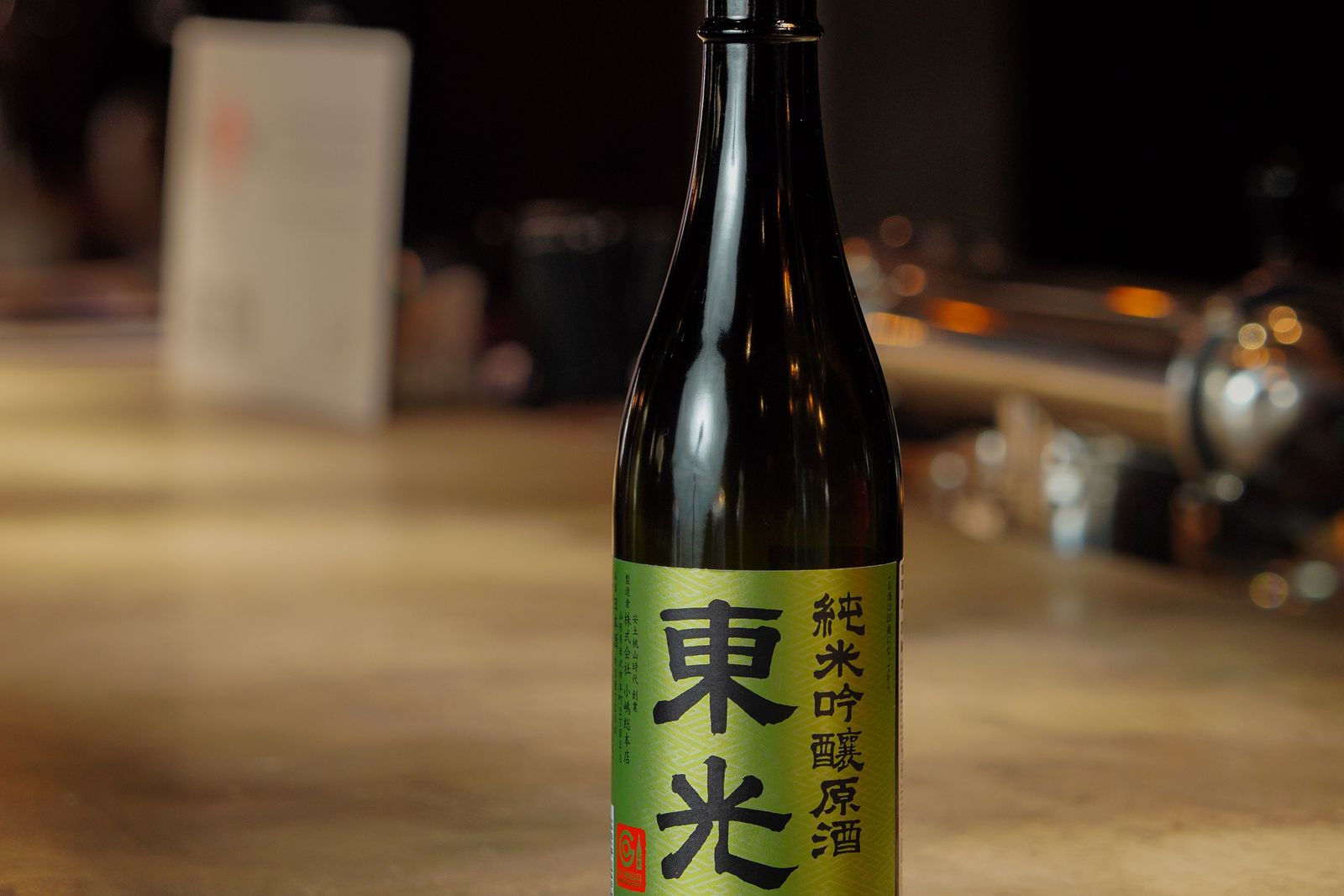
Then two conditions that apply to all eight. At least 15% of the white rice, by weight, has to be koji rice. And the flavor must be judged 良好, good — or, for the 特別 and 大吟醸 names, 特に良好, particularly good. The standard does not leave quality unmentioned. It makes quality a condition of the name.
Three details that get lost on the way to a shop. 純米酒 has no polishing requirement whatsoever — the cell is a dash, not a number someone forgot to fill in — so a junmai can legally be milled less than a 本醸造酒, which has a ceiling of 70%. Where distilled alcohol is used it is capped at 10% of the weight of the white rice, measured on a 95-degree alcohol basis. And white rice used for any of the eight must be grade 3 or better under Japan’s agricultural product standards.
The shelf that has no name on it
Now the part that changes what the category is.
In 令和6酒造年度 — the brewing year running to 30 June 2025 — taxed domestic shipments of 清酒 in Japan came to 381,731 kL. Of that, 234,897 kL carried no 特定名称 — no designated name — at all. That is 61.5%: not a fringe, not a bargain shelf, but the majority of what the country ships and drinks.
Two qualifications travel with the figure. It counts taxed domestic shipments — sake as it left the brewery — which is the closest available proxy for what gets bought, rather than what gets produced. And the National Tax Agency aggregates the eight legal names into four reporting categories in these statistics, so the split is designated against non-designated, not an eight-way breakdown.
The share is also moving. In BY2013 it was 70.5%, and it has fallen in every year of the series since, reaching 61.5% in BY2024. A figure around 70% was accurate for this category roughly a decade ago and has not been since.
JBJ'S TAKE
Let it describe. Don't let it decide.
So JbJ demotes it. The word is not the first question at the shelf — it is the note you keep about a bottle you already tried.
It specifies how the bottle was made and sets a condition on the flavor. Whether you will like it? Not its job.
So drink first, classify second. Then the word earns its keep — it finds the next bottle made the same way.
What a Japanese label is forbidden to say
The same authority that grants the eight names also polices the words printed around them, and this is the part that gives you something to do while holding a bottle.
Superlatives are out. 「最高」, 「第一」, 「代表」 — highest, first, representative — may not appear, and neither may wording that falsely implies an award or a government endorsement. 「極上」, 「優良」, 「高級」 are permitted only to rank a producer’s own range against itself, never against another company’s.
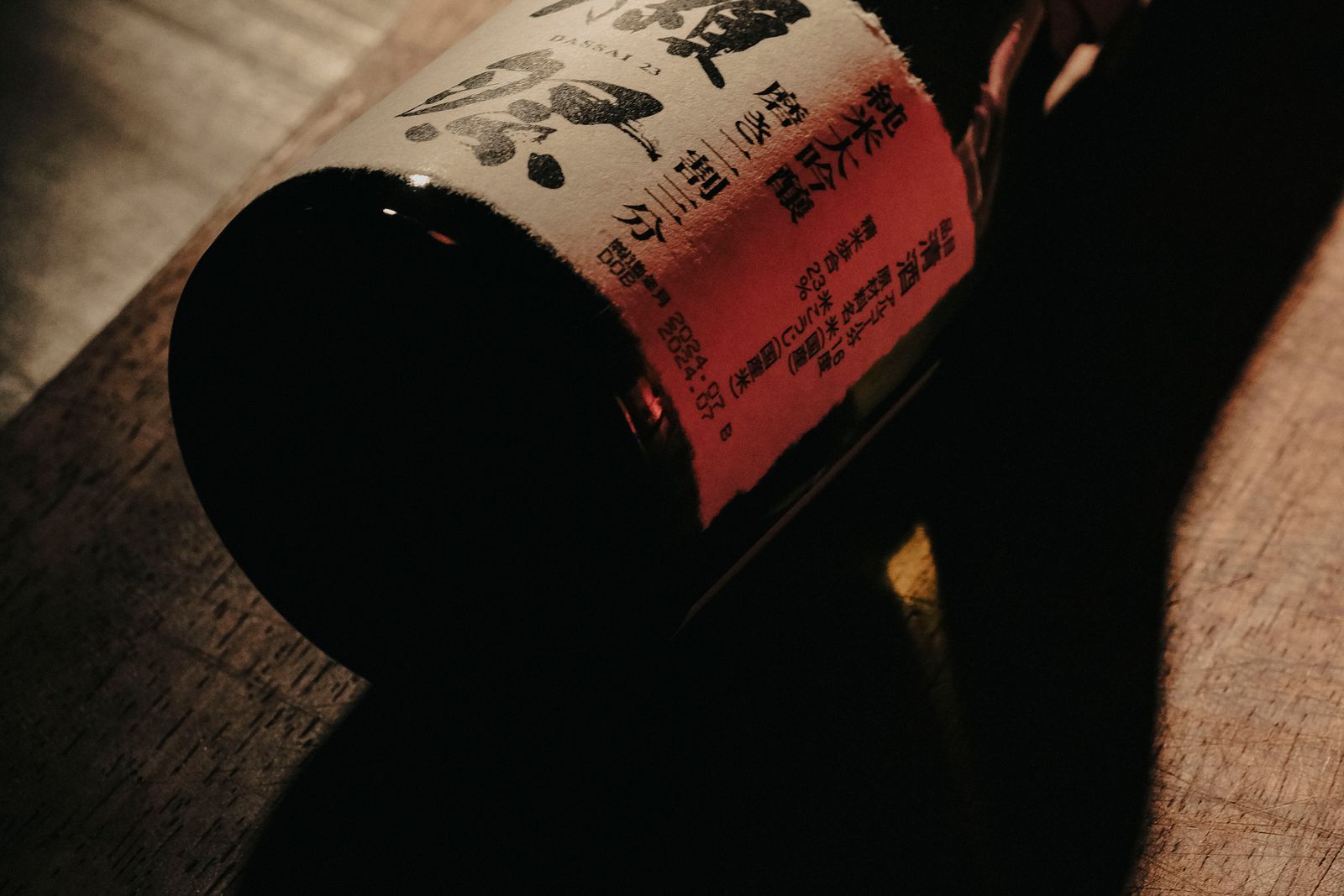
And the rule worth knowing by heart. A term that merely resembles one of the eight names, on a sake that is not 特定名称酒, is allowed only if an explanation sits next to it in at least 8-point type. The National Tax Agency supplies its own worked example: a bottle labeled 「米だけの酒」 — sake from rice alone — has to carry 「純米酒ではありません」 beside it. This is not junmai.
So, three things you can check with your eyes. Whether a superlative is doing work no rule allows it to do. Whether a name-like phrase has a correction printed next to it. And whether a word like 高級 is comparing the bottle to the rest of that brewery’s own shelf, which is all it is permitted to compare it to.
What the label does not have to tell you, and whose rules these are
A Japanese sake label does not have to carry a best-before date or a use-by date. Under the food labeling standard, 酒類 may omit 賞味期限 and 消費期限, and may omit storage instructions and the nutrition panel along with them. There is no date to rely on, because the law does not ask for one — which is a different problem from the one most people think they have.
One exception is worth the memory it costs. 生酒 — sake shipped with no heat treatment at all after production — must carry a note on storage or drinking. Which makes that caution a signal rather than boilerplate: it is printed because the contents required it.
The other line to read is 品目. In principle it says 清酒. It may say 日本酒 only for sake made in Japan from domestically grown rice — 日本酒 is a registered geographical indication, designated on 25 December 2015, with Japan itself as the region.
All of which comes with a boundary. These are the National Tax Agency’s rules, and they govern labeling in Japan. Where one of the eight names is printed, it means what the table above says it means. Where it is absent, the absence is not evidence of anything, about the sake or about the shop. And if you are carrying bottles back from a trip rather than buying them at home, that is a different set of rules entirely.
The number that does not sort the way you were told
If a bottle gives you a number called 日本酒度 — sake meter value — here is what it is and what it is worth.
It is an index of the sake’s specific gravity. A density reading, not a taste measurement. The National Research Institute of Brewing, Japan’s own brewing research body, calls it a 目安 — a rough guide — to sweet against dry, and adds a caveat that undoes most of what gets built on top of it: at the same 日本酒度, the more acid a sake has, the drier it tastes.
Then the National Tax Agency’s own measured averages for BY2024, which are worth more than any rule of thumb because nobody is estimating them. 本醸造酒 — the name with the loosest milling ceiling there is, and one of the four that permit distilled alcohol — averaged +3.5, the highest of the reported categories, and on the institute’s sweet-dry direction higher runs dry. 純米吟醸酒 averaged −0.4. 純米酒 came in at +0.5. Whatever the step from one name to the next is costing you, the number does not step with it.
One more from the same table. 純米吟醸酒 averaged 47.7% polishing against a legal ceiling of 60%, and milled further than 吟醸酒, which averaged 49.2%. Both are running well inside their own limits.
JBJ'S TAKE
Read it. Don't shop with it.
JbJ would not buy on this number, and would rather say so plainly than hand you a threshold that no official body publishes.
A rough guide. That is the institute's own word for it, not JbJ's — and a rough guide is not a shelf test.
It earns its place after the purchase — a bottle you know, a bottle you are trying, the gap between them. A comparison. Never a filter.
The three bottles in front of you
So: back to the shelf, with everything the word on each one actually guarantees.
It gives you the milling ceiling the sake had to meet, or tells you that no ceiling applied. It tells you whether distilled alcohol is permitted, and that it is capped. It tells you at least 15% of the white rice was koji rice, and that the flavor was judged good, or particularly good, before the name could be printed.
JBJ'S TAKE
JbJ goes down the ladder.
Daiginjo is not a trick. The milling is real. But the polishing figure is a bar the name had to clear, not a report of what is in the bottle.
So: the lower rung. And the plain bottle stays in, not ruled out by a word it does not carry.
One thing changes it: if you already know you love the top rung, buy it. Nobody needs a spreadsheet for a bottle they like.
Information checked 2026-09-08. The designation table, the labeling rules and the 品目 and 生酒 requirements come from the National Tax Agency, read from 酒のしおり (令和8年7月 / July 2026 edition) and from the same agency’s guide to labeling under the Food Labeling Act; the shipment volumes and the category averages from the same agency’s BY2024 production report; the description of 日本酒度 as a rough guide is the National Research Institute of Brewing’s own.