Nikko, Tochigi · Things to do
Things to Do in Nikko: 12 Places with Hours, Prices and Access
12 things to do · checked October 20, 2026
12 things to do in Nikko, from the shrines up to the lake
Hours, prices and access checked against each place's own page on October 20, 2026. They change; check before you go.
1Nikko Toshogu日光東照宮
Shrine (World Heritage) · Shrines and temples (Sannai)
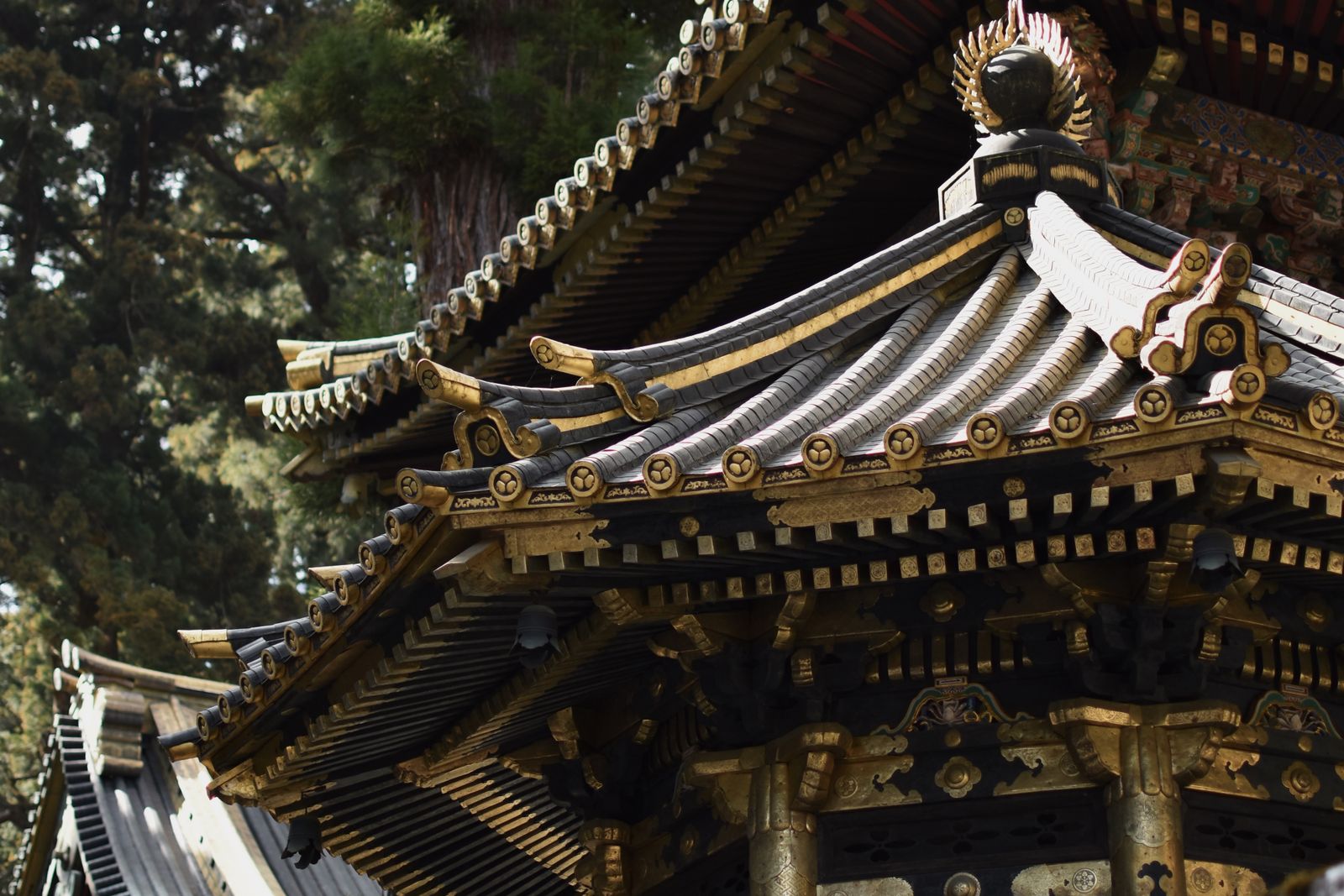
The shrine dedicated to Tokugawa Ieyasu, first shogun of the Edo shogunate. Most of the present buildings date from the 1636 rebuilding under the third shogun Iemitsu; the grounds hold 55 buildings, including 8 National Treasures and 34 Important Cultural Properties.
- Access
- World Heritage tour bus (Sekai-isan Meguri) from JR Nikko or Tobu-Nikko Station, about 10 minutes to Omotesando stop, then about 5 minutes on foot. Or get off at Shinkyo stop and walk about 15 minutes.
- Hours
- April–October 9:00–17:00 (last entry 16:30); November–March 9:00–16:00 (last entry 15:30)
- Price
- Shrine only: adults (high school and over) ¥1,600; elementary and junior high ¥550. Shrine plus Treasure House: ¥2,400 / ¥870
2Futarasan Shrine日光二荒山神社
Shrine (World Heritage) · Shrines and temples (Sannai)
The old shrine at the origin of Nikko's mountain faith, founded by the priest Shodo more than 1,200 years ago, with Mount Nantai as its object of worship. Its main deity, Onamuchi no Mikoto, is known for good fortune and matchmaking, and the shrine also owns Shinkyo Bridge.
- Access
- World Heritage tour bus from JR Nikko or Tobu-Nikko Station, about 15 minutes to Daiyuin / Futarasan-jinja-mae stop, right outside. Or a bus toward Chuzenji Onsen, about 9 minutes to Nishi-sando-iriguchi, then about 10 minutes on foot.
- Hours
- April–October 8:00–17:00; November–March 9:00–16:00 (reception ends 30 minutes before closing)
- Price
- Main shrine garden: adults (students included) ¥500; elementary to high school ¥200
3Rinnoji (Sanbutsudo)日光山輪王寺 三佛堂
Temple (World Heritage) · Shrines and temples (Sannai)
The main hall of Nikko-zan Rinno-ji is the Sanbutsudo, entered on its own ticket. The temple's other sights are Taiyuin (next entry), and the Treasure Hall and Shoyoen garden, which have separate tickets.
- Access
- Tobu Bus World Heritage tour bus from JR Nikko or Tobu-Nikko Station. The temple's access page does not give the stop or the walking time.
- Hours
- April–October 8:00–17:00; November–March 8:00–16:00 (the Jogyodo opens at 9:00; entry ends 30 minutes before closing)
- Closed on
- Sanbutsudo not open to visitors on 3 February (all day) and 14 December (morning), per the temple's notice. Treasure Hall and Shoyoen closed 25 November 2026, 27 January 2027 and 25 March 2027
- Price
- Sanbutsudo ¥400 (elementary and junior high ¥200). Treasure Hall and Shoyoen ¥300 (¥100). Sanbutsudo + Taiyuin ¥900. Sanbutsudo + Taiyuin + Treasure Hall and Shoyoen ¥1,000, window or e-ticket only
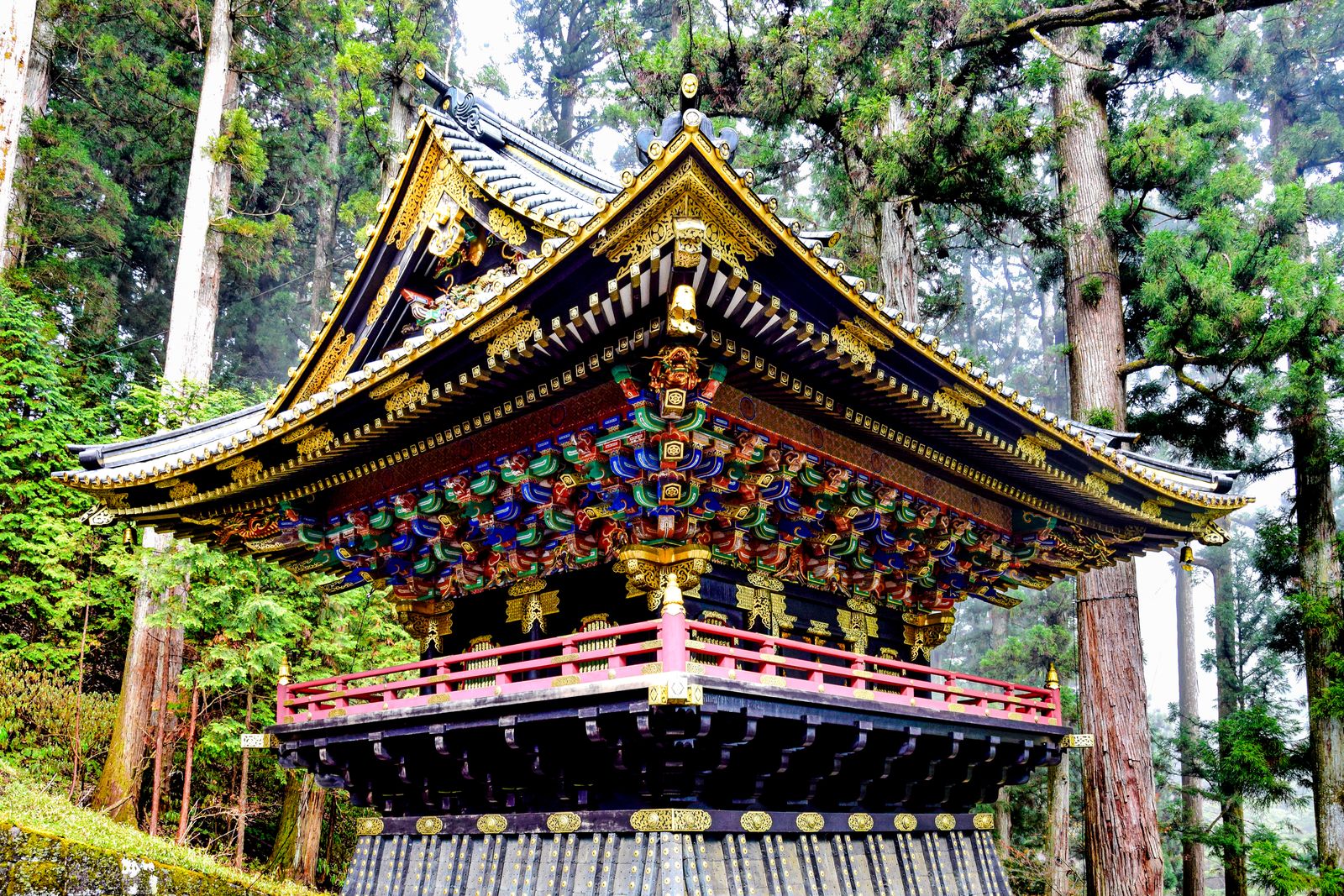
4Taiyuin (Rinnoji)日光山輪王寺 家光廟大猷院
Mausoleum, part of Rinnoji (World Heritage) · Shrines and temples (Sannai)
The mausoleum of the third shogun Iemitsu; Taiyuin is Iemitsu's posthumous Buddhist name. The main hall, connecting chamber and worship hall are National Treasures, and the buildings face Toshogu, where his grandfather Ieyasu is enshrined.
- Access
- World Heritage tour bus from JR Nikko or Tobu-Nikko Station, about 15 minutes to Daiyuin / Futarasan-jinja-mae stop, right outside. Or a bus toward Chuzenji Onsen, about 9 minutes to Nishi-sando-iriguchi, then about 10 minutes on foot.
- Hours
- April–October 8:00–17:00 (last entry 16:30); November–March 8:00–16:00 (last entry 15:30)
- Price
- Taiyuin ¥550 (elementary and junior high ¥250). Taiyuin + Sanbutsudo ¥900. All four Rinnoji sites ¥1,000
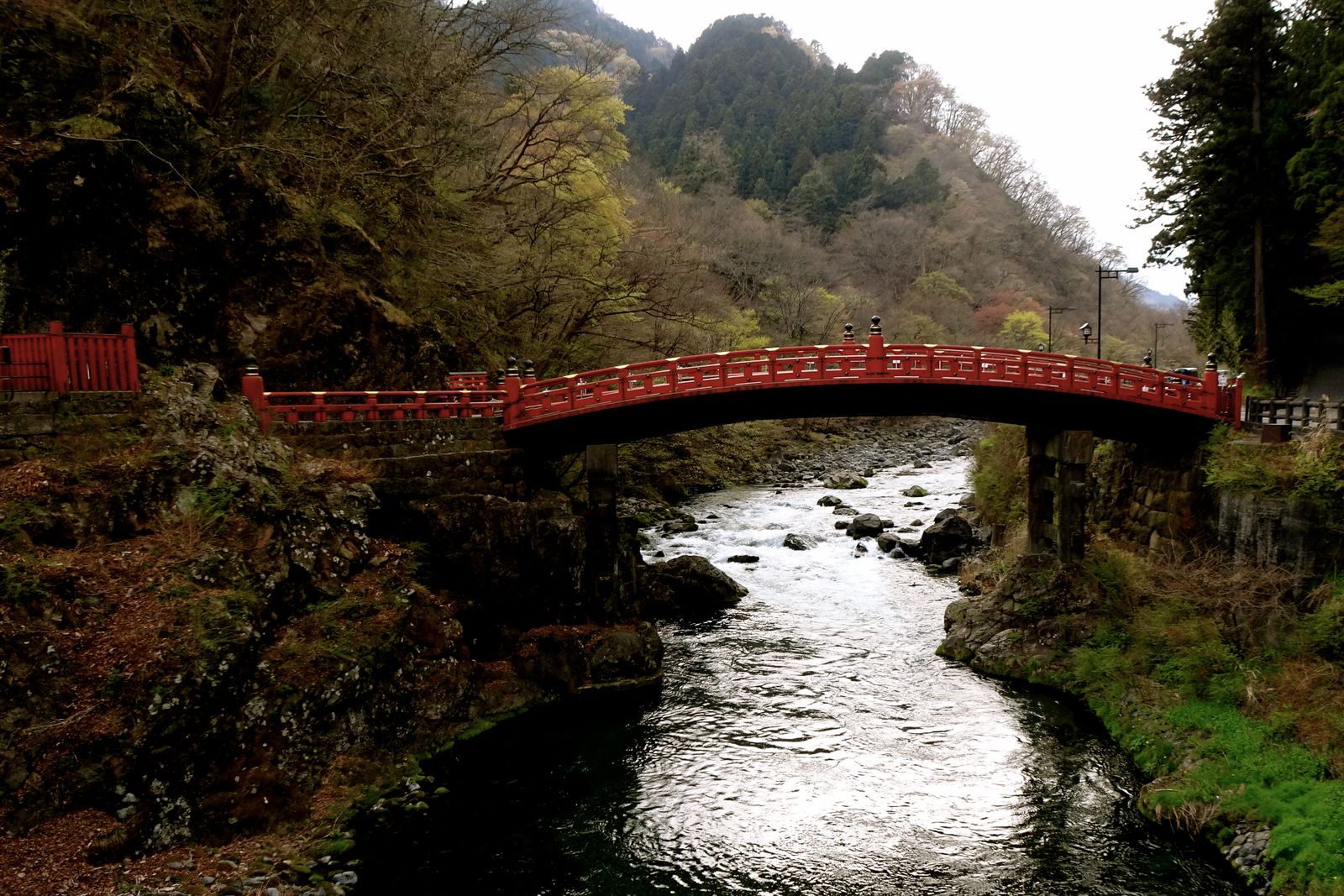
5Shinkyo Bridge神橋
Bridge (World Heritage) · Entrance to the shrine area
A vermilion wooden bridge over the Daiya River at the entrance to Nikko's shrines, owned by Futarasan Shrine. It was rebuilt in 1904 after the 1636 bridge was washed away by a flood in 1902, is counted among Japan's three unusual bridges, and is lit at night.
- Access
- World Heritage tour bus from JR Nikko or Tobu-Nikko Station, about 7 minutes to Shinkyo stop, right beside the bridge.
- Hours
- April–October 8:30–16:30; November–March 9:30–15:30
- Price
- Adults ¥300; high school ¥200; elementary and junior high ¥100
6Kanmangafuchi Abyss憾満ヶ淵
Gorge and stone statues · Daiya River, west of the shrines
A gorge on the Daiya River formed by lava from Mount Nantai. On the south bank stand about 70 stone Jizo statues known as Bake-jizo, said to be a different number every time they are counted.
- Access
- Bus toward Chuzenji Onsen from JR Nikko or Tobu-Nikko Station, about 8 minutes to Yasukawa-cho stop, then about 20 minutes on foot.
7Irohazakaいろは坂
Mountain road · Between Nikko and Lake Chuzenji
The road from Nikko up to Lake Chuzenji, rising about 440 m, with 48 hairpin bends between the downhill-only First Irohazaka and the uphill-only Second Irohazaka. It is Nikko's best-known autumn leaf drive; a climb of about 20 minutes can take 2 to 3 hours in a jam. The Akechidaira Ropeway on the Second Irohazaka has been closed for renovation since 15 January 2026, with reopening planned for September 2027.
The Akechidaira Ropeway on this road is closed until September 2027 (planned).
- Access
- Akechidaira stop, on the Second Irohazaka, is about 40 minutes by bus toward Chuzenji Onsen from JR Nikko or Tobu-Nikko Station.
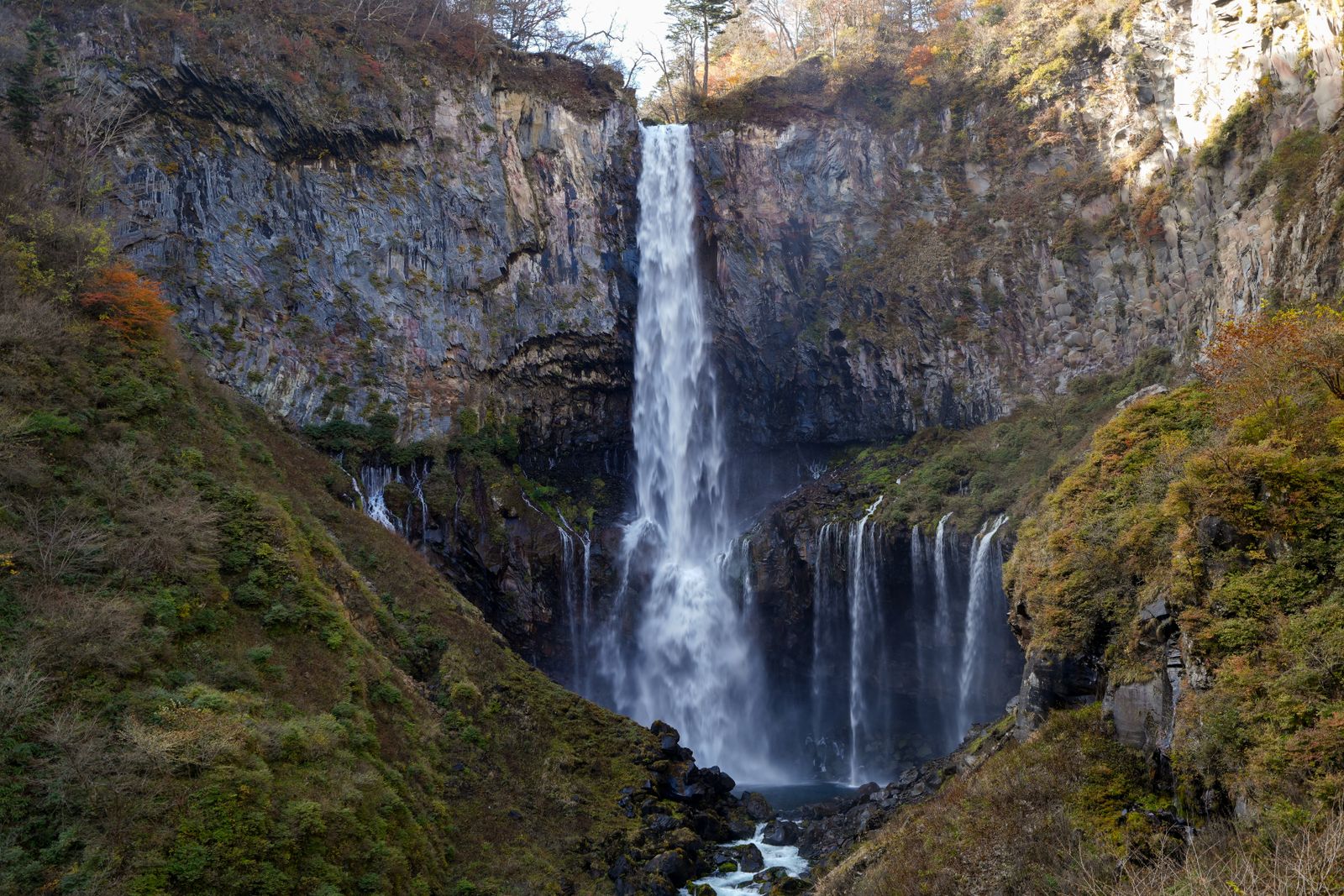
8Kegon Falls華厳滝
Waterfall with elevator viewing deck · Oku-Nikko (Lake Chuzenji)
Water from Lake Chuzenji drops about 97 m down a cliff face. An elevator in service since 1930 goes down 100 m through the rock to a viewing platform near the base; a free viewing deck at ground level has a slope usable by wheelchairs, though a helper is needed.
- Access
- Bus toward Chuzenji Onsen from JR Nikko or Tobu-Nikko Station, about 50 minutes to Chuzenji Onsen stop, then about 5 minutes on foot.
- Hours
- Elevator: March–November 8:00–17:00; December–February 9:00–16:30 (last entry 20 minutes before closing)
- Closed on
- Open all year; may stop without notice in bad weather
- Price
- Elevator, round trip: adults (junior high and over) ¥600; elementary ¥400; under elementary age free
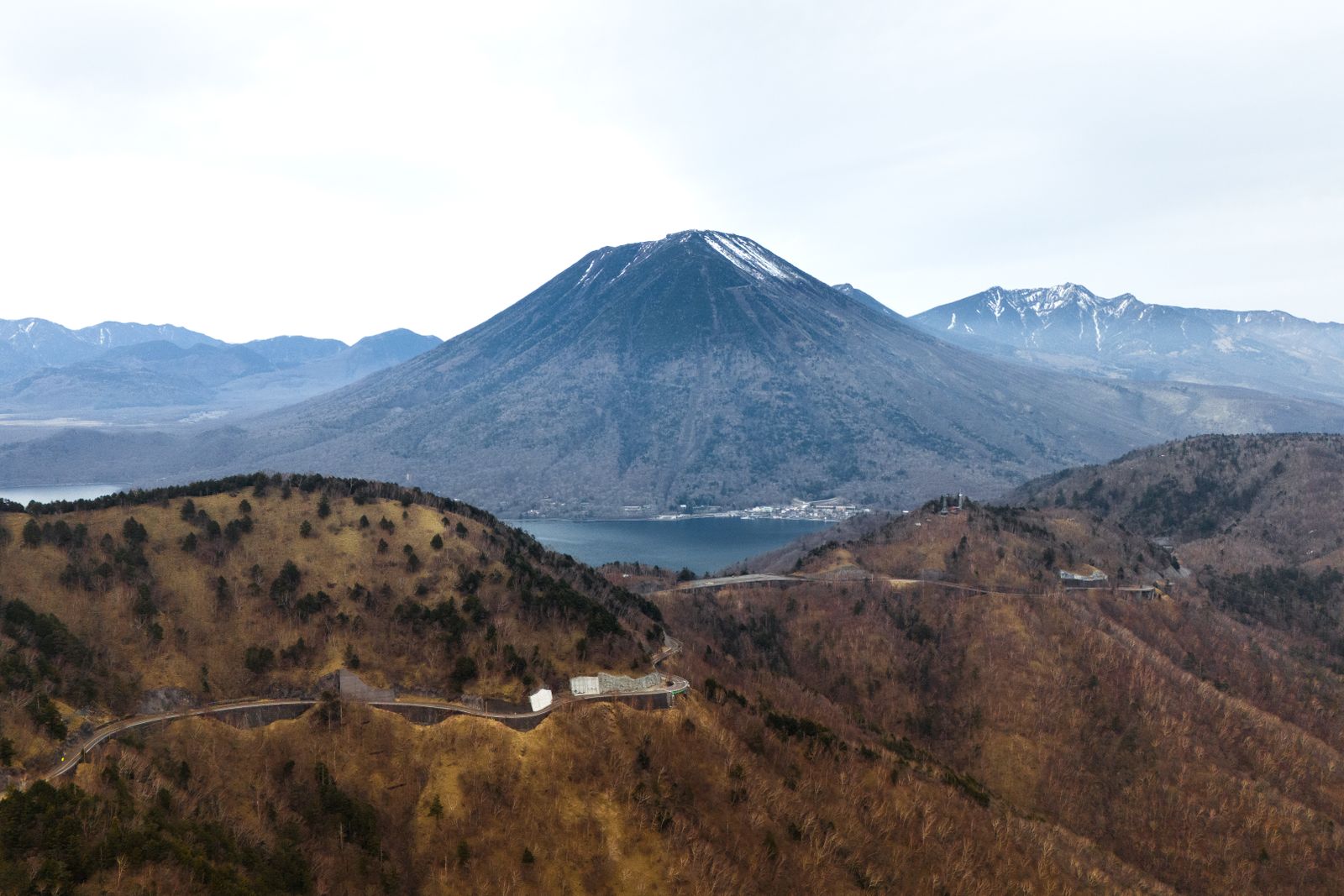
9Lake Chuzenji中禅寺湖
Lake · Oku-Nikko (upper Nikko)
A lake about 25 km around and up to 163 m deep, said to have formed about 20,000 years ago when lava from Mount Nantai dammed a valley. It was a summer retreat for foreign residents from the Meiji era to the early Showa era; azaleas in early summer and autumn leaves are its highlights, and cruise boats run on it, with leaf-viewing cruises in autumn.
- Access
- Bus toward Chuzenji Onsen from JR Nikko or Tobu-Nikko Station, about 50 minutes to Chuzenji Onsen stop, then about 5 minutes on foot.
10Senjogahara戦場ヶ原
Marsh and walking trail · Oku-Nikko
A marsh of about 400 hectares that was once a lake, registered under the Ramsar Convention as a wetland of international importance for waterbirds. A nature study trail circles it, about 2 hours on foot; cotton grass and steeplebush flower from mid-June to early August, and the grasses turn colour from late September to early October.
- Access
- Bus toward Yumoto Onsen from JR Nikko or Tobu-Nikko Station, about 70 minutes to Sanbonmatsu stop; for a hike, get off one stop earlier at Akanuma.
11Edo Wonderland Nikko Edomura日光江戸村
Edo-period theme park · Kinugawa area
A theme park recreating an Edo-period town, with theatres and hands-on experiences. Junior high school age and over pay the adult price, elementary school pupils the child price, and children under school age enter free.
- Access
- From Kinugawa-onsen Station (Tobu Kinugawa Line), about 15 minutes by route bus or about 10 minutes by taxi. A free shuttle runs between Toshogu Omotesando and the park from 20 March to 30 November, not on Wednesdays.
- Hours
- 20 March–30 November 9:00–17:00; 1 December–19 March 9:30–16:00 (last entry one hour before closing)
- Closed on
- Closed days vary; see the operating calendar on the park's site
- Price
- One-day pass: adults ¥5,800; children ¥3,000. Afternoon pass (from 14:00; from 13:00 in winter): adults ¥5,000; children ¥2,600
12Kinugawa Onsen鬼怒川温泉
Hot spring town (a separate base) · Kinugawa
A large hot spring town along the Kinugawa gorge, discovered in 1691 and opened to the public after the Meiji period; the water is alkaline simple spring. Edo Wonderland and Tobu World Square are nearby, and Nikko's shrines are about 30 minutes away by car.
- Access
- Tobu Kinugawa Line to Kinugawa-onsen or Kinugawa-koen station; about 2 hours from Asakusa by Spacia limited express. By car, about 20 minutes from Imaichi IC.
Good to know
Nikko is three trips in one. The shrines and temples (Toshogu, Futarasan, Rinnoji, Taiyuin and Shinkyo Bridge) are 7 to 15 minutes by World Heritage tour bus from JR Nikko or Tobu-Nikko Station. Kegon Falls, Lake Chuzenji and Senjogahara are up the mountain, about 50 to 70 minutes by bus. Kinugawa Onsen and Edo Wonderland are on a different rail line, the Tobu Kinugawa Line.
Hours are shorter from November. Toshogu closes at 17:00 from April to October and 16:00 from November to March, with the last entry 30 minutes earlier. Shinkyo Bridge closes at 16:30 and then 15:30. The Kegon Falls elevator runs 8:00–17:00 from March to November and 9:00–16:30 in winter, all year round unless the weather stops it.
Dates to plan around: the Akechidaira Ropeway above the Irohazaka has been closed for renovation since 15 January 2026, with reopening planned for September 2027. In autumn the Irohazaka climb of about 20 minutes can take 2 to 3 hours in a jam. The Rinnoji Treasure Hall and Shoyoen garden close on 25 November 2026, 27 January 2027 and 25 March 2027.
Shrines, the lake, or the Kinugawa side
Where each group of places is, how long it takes to get there, what it costs to get in, and when it closes. Adult prices.
| Where | From JR Nikko / Tobu-Nikko | Entry (adult) | Closes / last entry |
|---|---|---|---|
| Shrines and temples: Toshogu, Futarasan, Rinnoji, Taiyuin, Shinkyo | World Heritage tour bus: Shinkyo about 7 min, Omotesando about 10 min, Daiyuin / Futarasan-jinja-mae about 15 min | Toshogu ¥1,600 · Futarasan ¥500 · Sanbutsudo ¥400 · Taiyuin ¥550 · Shinkyo ¥300 | Toshogu 17:00, last entry 16:30 (April–October); 16:00, last entry 15:30 (November–March) · Shinkyo 16:30 / 15:30 |
| Kanmangafuchi Abyss | Bus about 8 min to Yasukawa-cho, then about 20 min on foot | No fee listed | No hours listed |
| Kegon Falls and Lake Chuzenji | Bus about 50 min to Chuzenji Onsen, then about 5 min on foot | Kegon Falls elevator ¥600 · lake: no fee listed | Elevator 17:00 (March–November), 16:30 (December–February) |
| Senjogahara | Bus about 70 min to Sanbonmatsu (Akanuma one stop earlier for hikes) | No fee listed | Trail loop about 2 hours on foot |
| Edo Wonderland (Kinugawa area) | Via Kinugawa-onsen Station, then about 15 min by route bus; free shuttle from Toshogu Omotesando, 20 March–30 November, not Wednesdays | One-day pass ¥5,800 | 17:00 (20 March–30 November), 16:00 (1 December–19 March); last entry one hour before |
| Kinugawa Onsen | Tobu Kinugawa Line; about 2 hours from Asakusa by Spacia | Hot spring town; no entry fee | — |
By kind of trip
First trip, one day at the shrines
These four sit in the same World Heritage area, 10 to 15 minutes by bus from either station. Toshogu takes its last visitors at 16:30 from April to October and 15:30 from November.
Nikko Toshogu · Futarasan Shrine · Taiyuin (Rinnoji) · Shinkyo Bridge
Autumn leaves
The city's tourism site names the Irohazaka as Nikko's best autumn spot, and the Kegon Falls operator posted on 16 October 2026 that the trees around the falls are at their best. Allow 2 to 3 hours for the Irohazaka in a jam; Senjogahara's grasses colour from late September to early October.
Winter
From November, Toshogu and Shinkyo close an hour earlier and Futarasan opens at 9:00. The Kegon Falls elevator keeps running (9:00–16:30), and from January to February the thin falls beside the main fall freeze into blue ice.
Nikko Toshogu · Shinkyo Bridge · Kegon Falls · Futarasan Shrine
With children
Edo Wonderland is free under school age, with the child price (¥3,000) for elementary school. The Kegon Falls elevator is ¥400 for elementary pupils, and Toshogu is ¥550 for elementary and junior high.
Walks and water
Senjogahara has a trail of about 2 hours around the marsh, the gorge at Kanmangafuchi is a 20-minute walk from the Yasukawa-cho bus stop, and Lake Chuzenji is about 25 km around.
Questions
How do I get from JR Nikko or Tobu-Nikko Station to Toshogu?
Take the Tobu Bus World Heritage tour bus: about 10 minutes to Omotesando stop, then about 5 minutes on foot. You can also get off at Shinkyo stop and walk about 15 minutes. The two stations are a short walk apart.
How much do the Nikko shrines and temples cost?
Adults: Toshogu ¥1,600 (¥2,400 with the Treasure House), Futarasan Shrine's main shrine garden ¥500, Rinnoji's Sanbutsudo ¥400, Taiyuin ¥550, Shinkyo Bridge ¥300. Rinnoji sells Sanbutsudo + Taiyuin for ¥900 and, at the window or as an e-ticket, all four Rinnoji sites for ¥1,000.
Is the Kegon Falls elevator open in winter, and what does it cost?
Yes. It runs 9:00–16:30 from December to February (8:00–17:00 from March to November), with the last entry 20 minutes before closing. It costs ¥600 for adults and ¥400 for elementary pupils, round trip, and can stop without notice in bad weather.
Can I take the Akechidaira Ropeway?
Not at present. It closed after business on 15 January 2026 for renovation, and its operator plans to reopen it in September 2027. The city's tourism site lists the closure from 16 January 2026 to 31 August 2027, so check the operator's page before planning around it.
How long can the Irohazaka take in autumn?
A climb that normally takes about 20 minutes can take 2 to 3 hours in a jam, and up to 6 hours has occurred in holiday periods, according to the city's tourism site.