The answer, in the order the conditions decide it
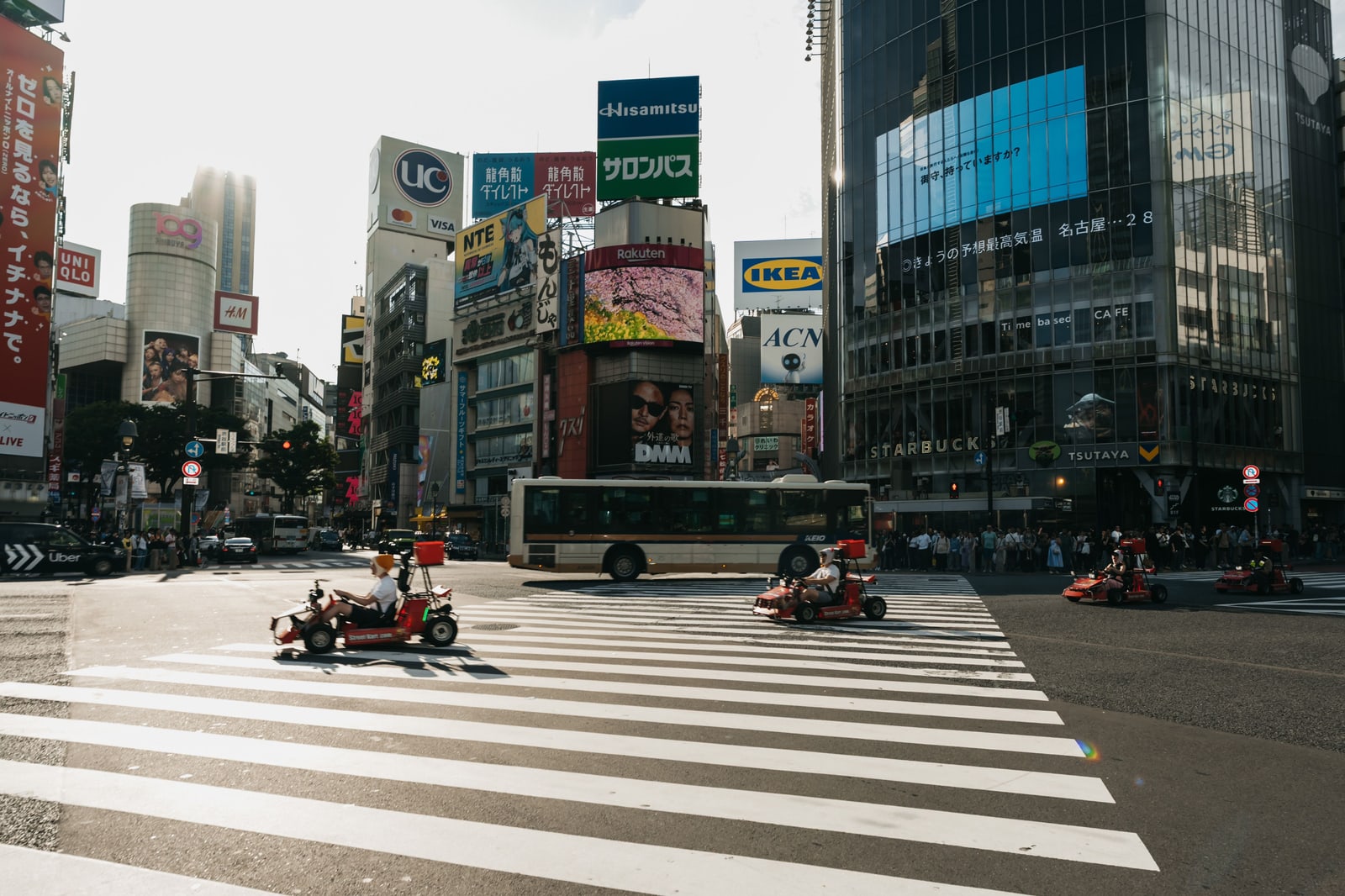
A Tokyo street go-kart tour is a guided drive on public roads. You sit a few inches off the asphalt in an open kart, in a small group behind a guide, in the same lanes as taxis and buses. It is not a track and not a ride: you are the driver, under Japanese traffic law.
Four conditions decide whether it is worth the fee and half a day, and they decide in this order:
- The document in your bag. This one outweighs the rest. Without an International Driving Permit under the 1949 Geneva Convention, or an official Japanese translation for six specific licenses, you cannot drive. Shops turn you away at the counter, and at least one says in writing there is no refund.
- Whether you want to drive in real traffic. Low, open, left side of the road, with Tokyo’s taxis and buses around you.
- The route and the length. Rainbow Bridge and Tokyo Bay in about two hours, or Shibuya Crossing and Harajuku in about one.
- Rain, costumes and the people you drive past. These rarely stop a booking, but they decide the tie.
If condition 1 fails, stop there: an open-top bus crosses the same bridge for a fraction of the price.
Holding a 1949 IDP and want to drive the bay?
2 Hour Street Go-kart Experience in Tokyo Bay on Klook
Klook sells a two-hour street go-kart experience in Tokyo Bay. The document rules below apply whoever sells the seat: check yours before you pay.
Check the Tokyo Bay go-kart on Klook →Sold on Klook (Klook Travel Technology Limited), an online travel agency. The listing is titled as a two-hour street go-kart experience in Tokyo Bay. Driving still needs a 1949 Geneva Convention International Driving Permit or an official Japanese translation, whoever sells the seat. Before you pay, check on the listing: which shop runs it and where it starts, the documents it accepts, the weather policy, and the change and cancellation terms.
First: the document already in your bag
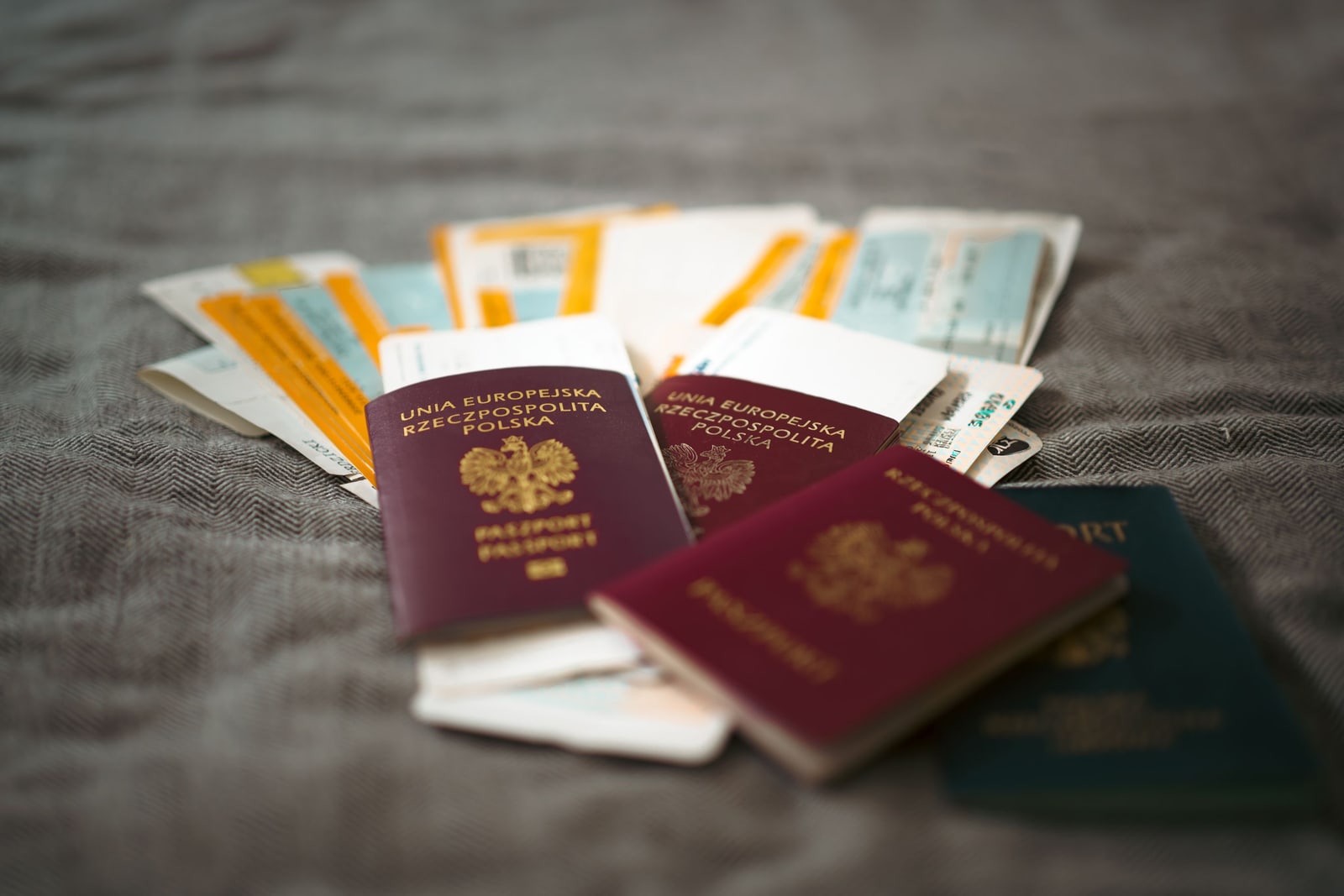
Japan recognizes three ways for a visitor to drive, according to the Tokyo Metropolitan Police Department and the Japan Automobile Federation (JAF):
- An International Driving Permit (IDP) issued under the 1949 Geneva Convention, carried with your own license and passport. Only IDPs from a country that signed the 1949 convention, issued in line with it, are valid.
- A license from Switzerland, Germany, France, Belgium, Monaco or Taiwan, with an official Japanese translation from JAF, your embassy or another designated body. Police and JAF pages list these six and no others.
- A Japanese license.
Either foreign route is good for one year from the day you land, and only while your own license is valid. You must be 18 or older to drive a four-wheel vehicle in Japan, whatever your permit says.
What turns people away:
- An IDP under the 1968 Vienna Convention is invalid in Japan, the Tokyo police say, even when the issuing country also signed the 1949 one. Street Kart notes most valid IDPs have “1949” on the cover; if yours says “1968”, ask the shop before you book.
- A license from a country that is not a 1949 party and not one of the six. Neither visitor route is open to it.
- Copies, card-style or digital permits. Street Kart lists all three as not accepted.
- Getting the IDP after you arrive. Japan issues IDPs only against a Japanese license, so a visitor gets one at home, before the flight.
Street Kart’s own rule: “If you arrive at our shop without required original documents to drive in Japan, you can’t join our activity and can’t get any refund.” Some tour pages add countries to the translation list; the police list is the one that counts.
Second: whether you want to drive low and open in real traffic
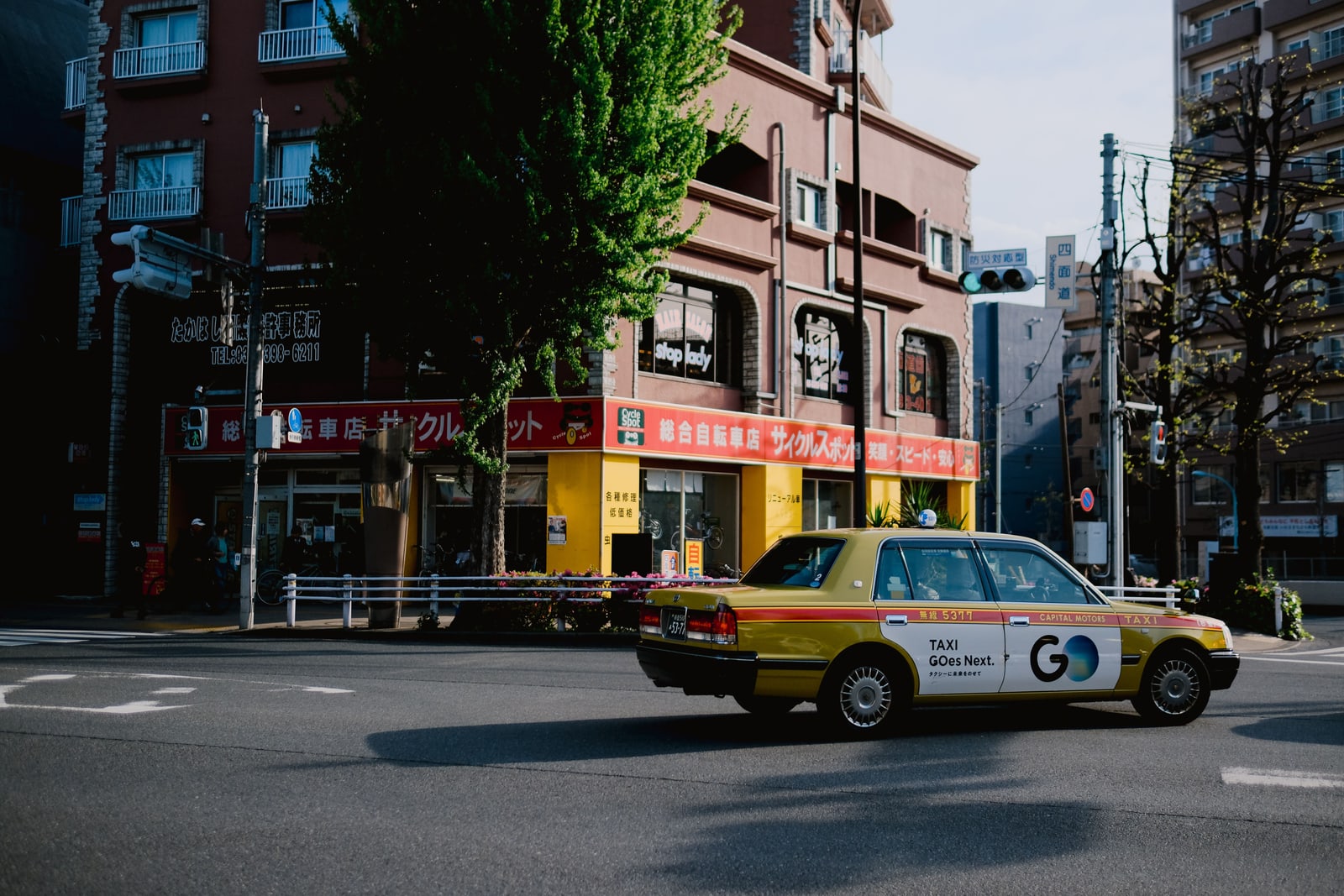
Japan drives on the left. JAF’s rules page adds the ones that catch visitors: in principle, no turning left or right on a red light, and seat belts for everyone.
On the tour itself:
- A guide leads, and you follow in a line. Street Kart caps a group at six drivers per guide and briefs you on driving and safety before you leave.
- You obey every traffic law, the shop’s agreement says, and you may not hand your kart to someone else.
- Damage is partly yours. Street Kart’s included insurance carries a ¥50,000 deductible per kart; full cover costs extra.
- No expressways. Street Kart says its tours never use them.
In 2018 Japan’s transport ministry tightened the safety standards for karts on public roads, citing growing use, mainly by foreign tourists, and several accidents in Tokyo and elsewhere. The rules brought in seat belts, head restraints, parts that make karts easier to see, and night-visibility lights.
What follows: if you drive at home, even on the right, and are comfortable in city traffic, the format is a guided convoy you can manage. If you rarely drive, or city traffic makes you tense, two hours on the left is a long first lesson. That is the skip.
Third: which route, and how long
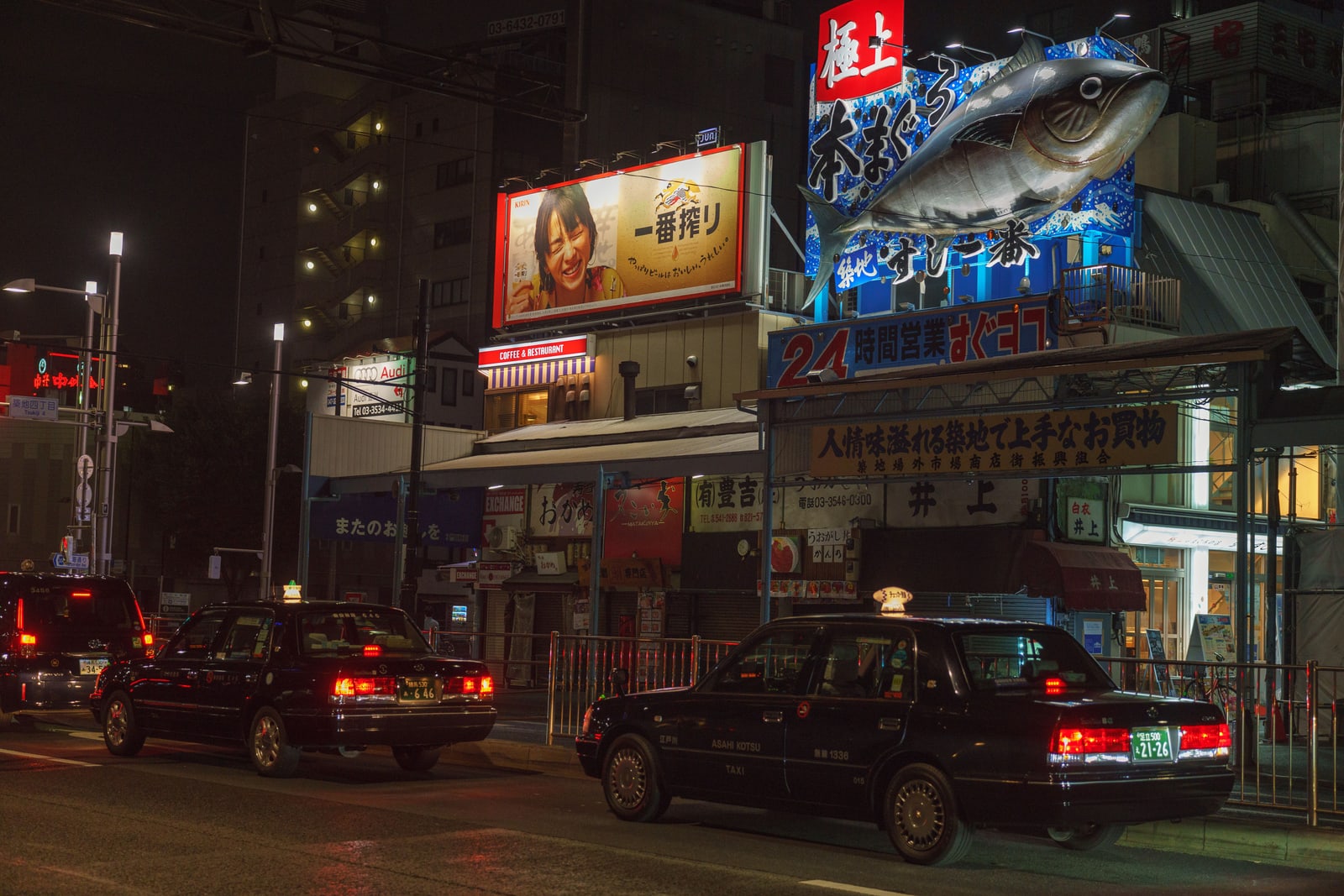
The two routes most first-timers weigh are the bay and Shibuya. Street Kart runs both from different shops; other operators run similar routes.
| Tokyo Bay course | Shibuya course | Sky Bus T3 (open-top bus) | |
|---|---|---|---|
| Time | about 1.5 to 2 h, by traffic | about 1 h | about 50 min |
| Route | Rainbow Bridge, toward Tokyo Tower, back over the bridge | Dogenzaka, Shibuya Crossing, Omotesando, Harajuku | Tokyo Tower, Rainbow Bridge, Odaiba, Toyosu, Tsukiji, Ginza |
| Starts | Shinkiba, 10 to 13 min walk from the station | Shibuya | Mitsubishi Building, Marunouchi |
| October price, per person | “review price” from ¥14,000 to ¥17,500; regular from ¥25,000 | “review price” from ¥16,000 (day) or ¥18,000 (5 to 8 p.m.); regular from ¥20,000 | ¥2,200 weekdays, ¥2,400 weekends and holidays |
| You need | 1949 IDP or official translation | 1949 IDP or official translation | a ticket |
Kart prices are Street Kart’s own pages and Sky Bus prices are Sky Bus’s own page, checked October 1, 2026. “Review price” is the shop’s label for its lower rate; read its conditions before you count on it. All kart prices are “from” prices. In October, Street Kart’s 7 p.m. bay slot is at the regular rate.
What the numbers say:
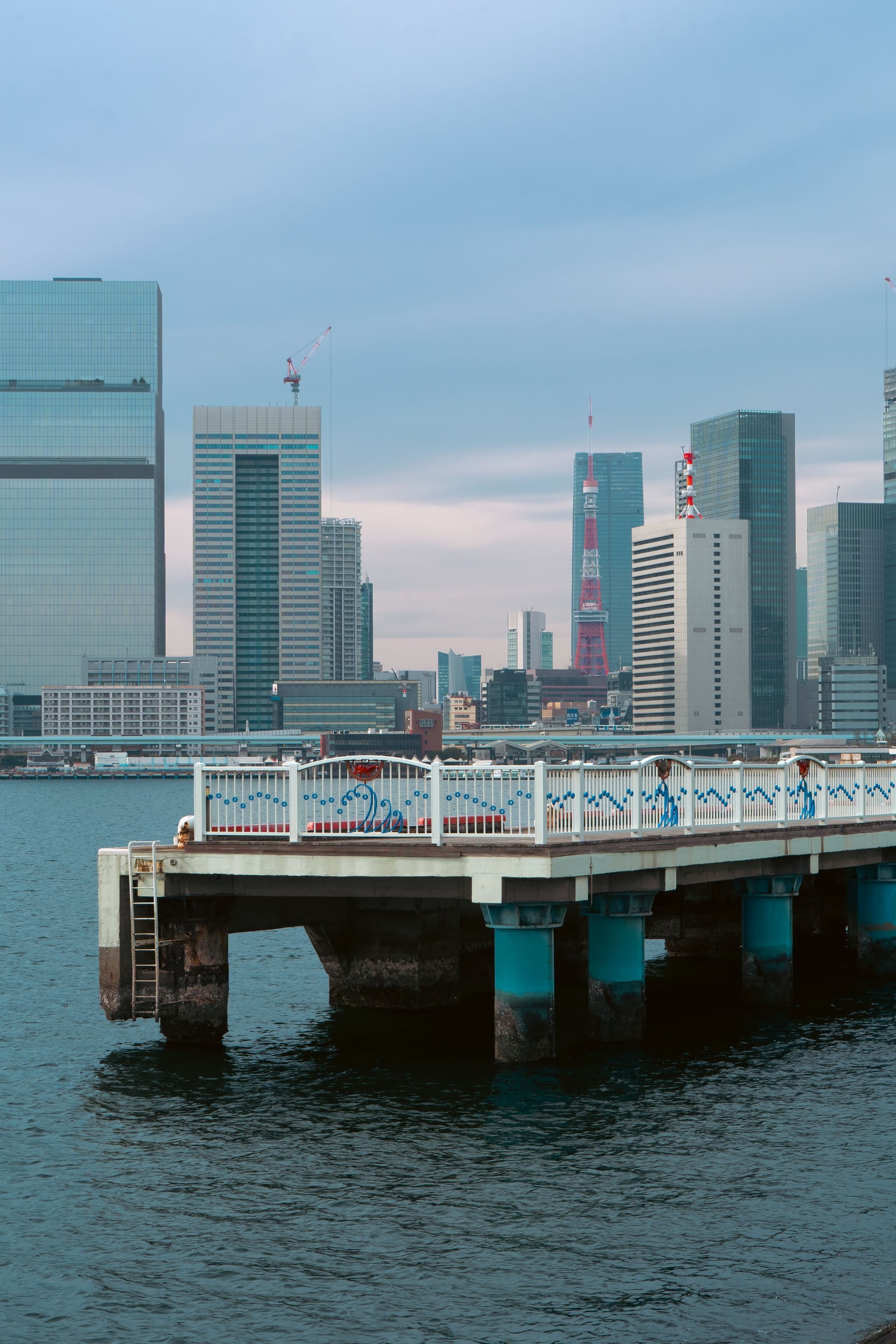
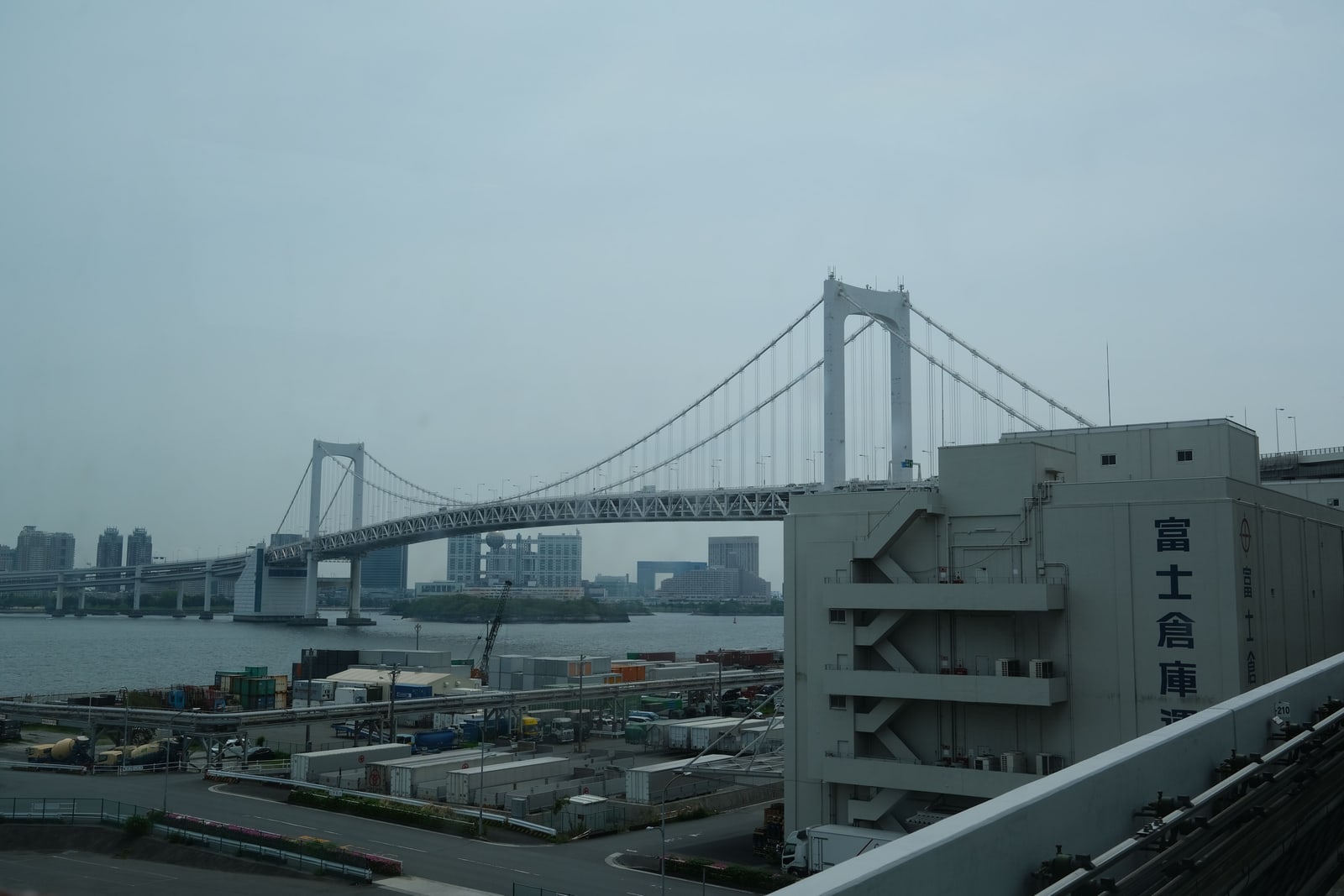
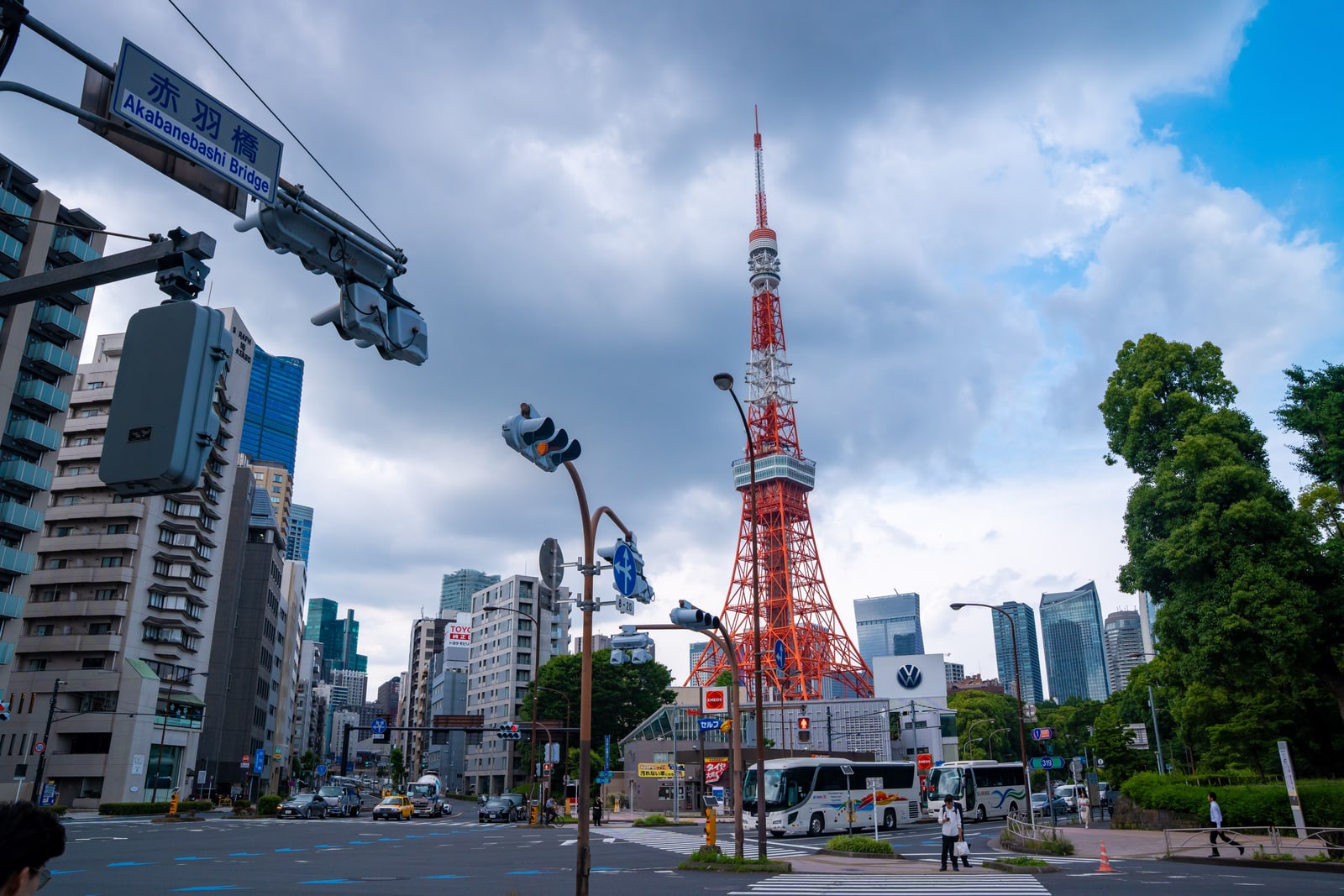
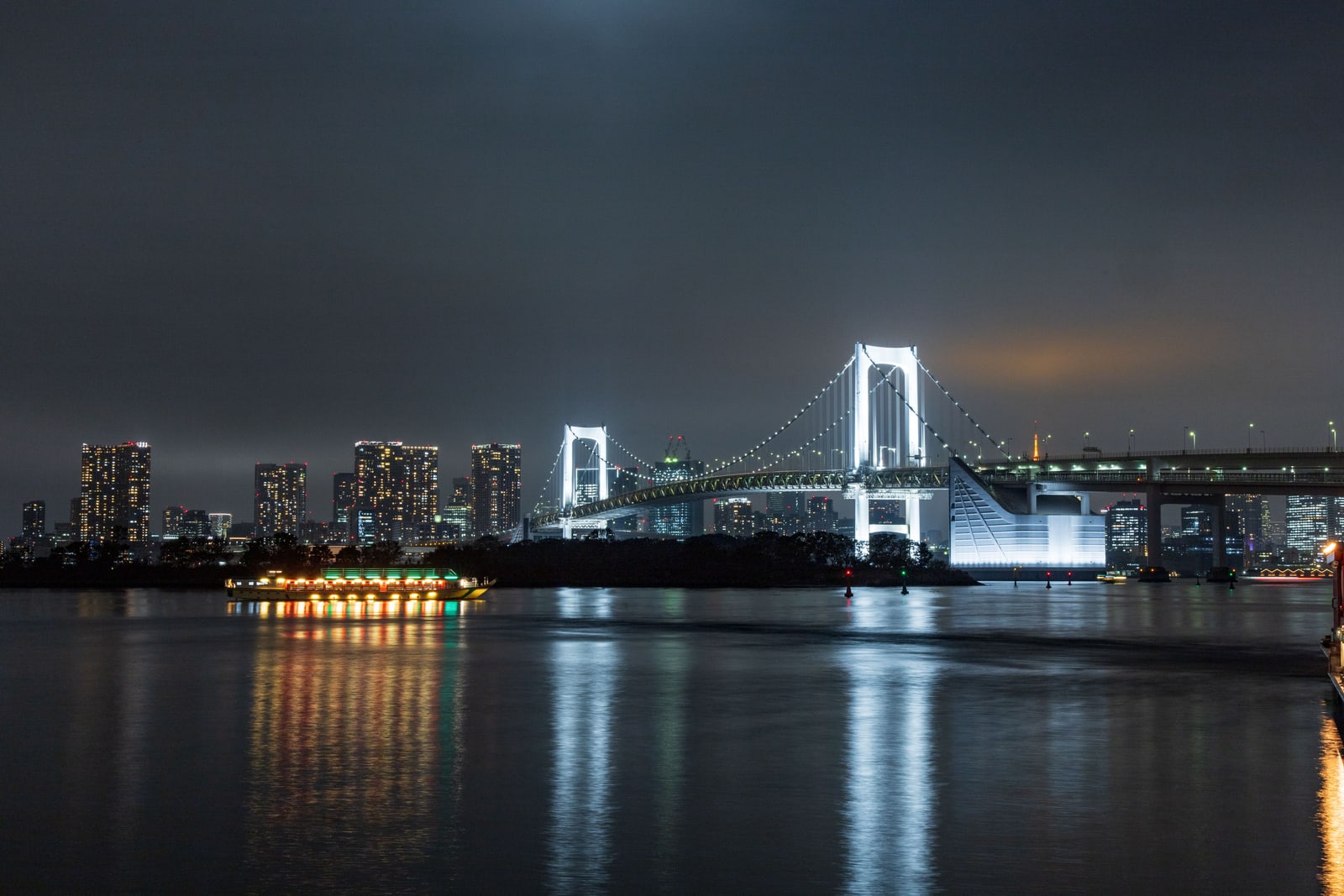
- Bridge and skyline, and you have the evening: the bay course. It is the only one of the two that crosses Rainbow Bridge and passes Tokyo Tower. Budget the walk from Shinkiba and the 30-minute check-in on top of two hours.
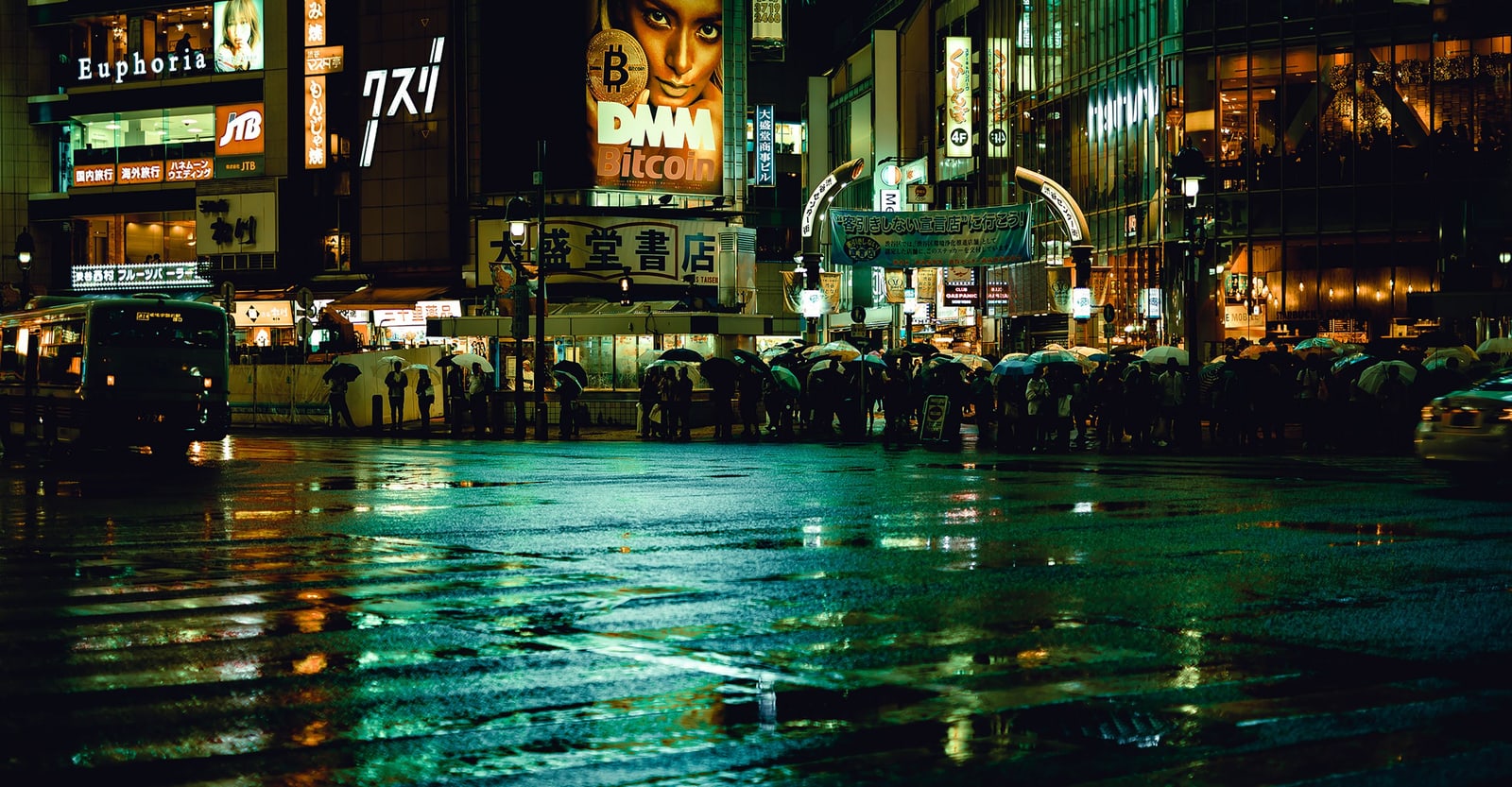
- The famous crossing, and a short slot: Shibuya, at about an hour. You pass through the city rather than over it.
Fourth: rain, costumes and the people you drive past
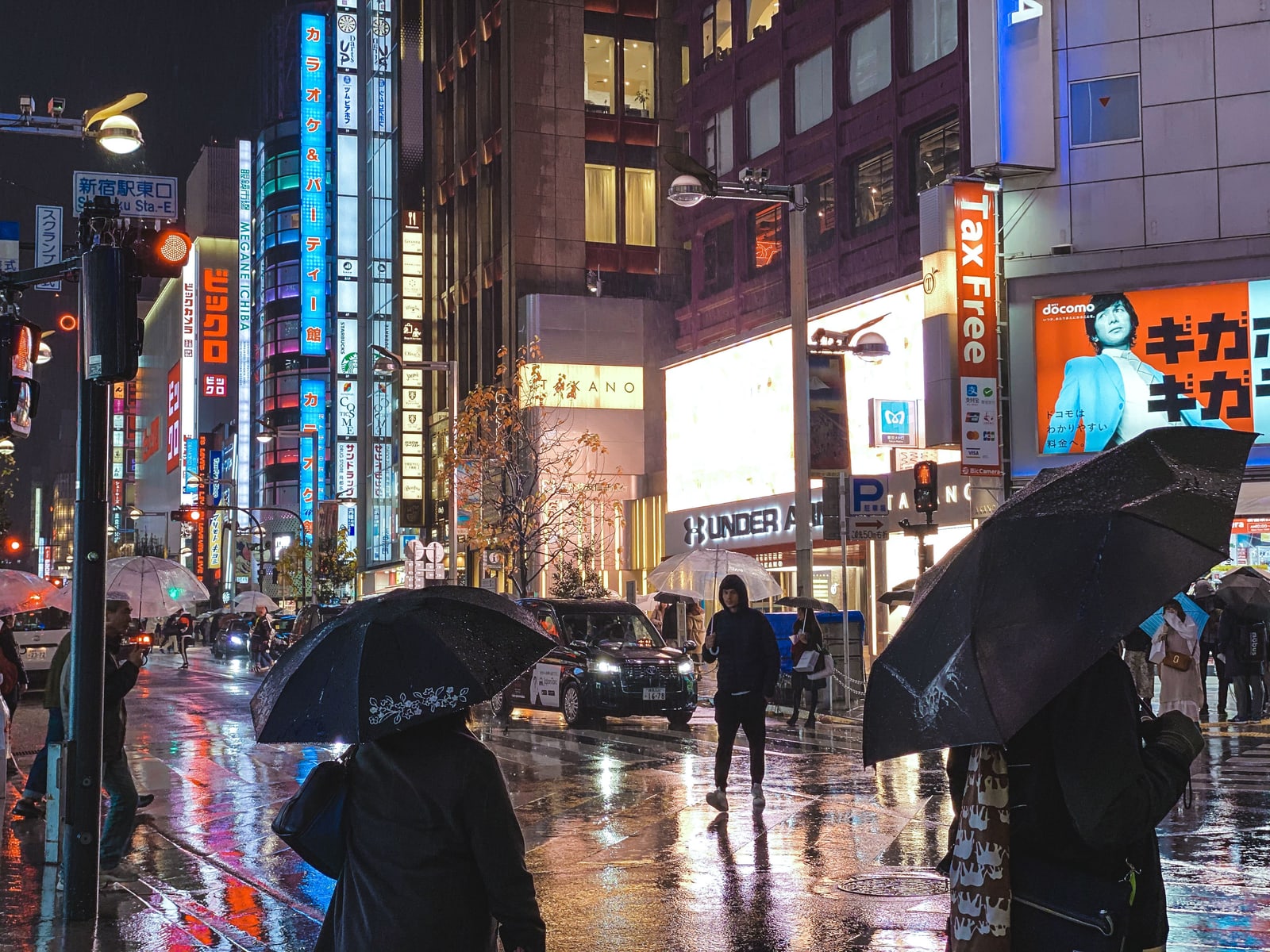
Rain. The karts are open. Street Kart says it usually runs “despite the weather” and to contact the shop if unsure. JAPANKART says it may cancel in bad weather, with a full refund or a new date. The policy belongs to whoever runs your slot, so read it before you book, not on the morning.
Costumes. Most shops hand out costumes, and none of the shop rules cited here requires one. The one line not to cross is the character: in 2020 Japan’s Intellectual Property High Court found that a kart operator’s use of the name “MariCar” and its lending of Mario character costumes was unfair competition, and ordered ¥50 million in damages to Nintendo. The ruling became final in December 2020. Wear plain clothes if you prefer. Street Kart does ask for proper shoes: no heels, no sandals, no long skirts.
The people you drive past. Officials have treated the karts as a safety question. The 2018 rules came after accidents, and in November 2024 the Japan Tourism Agency sent the travel trade a notice titled “Response to public-road rental karts”. None of that bars a legal driver. It does mean you are a guest in someone’s commute: stay in line behind the guide, and keep your hands off the phone while you drive, which JAF lists as a rule for every driver.
The tie-break: if rain is forecast and your shop runs anyway, or if a convoy through a crowded crossing sits badly with you, that is enough to pick the other slot below.
When a passenger seat or a view deck is the better slot
For one of you, the answer may be a passenger seat. Street Kart says none of its karts carry more than one person. JAPANKART says non-drivers can ride in its guide vehicle, with limited seats. Check this before you book a mixed group.
When the documents or the traffic rule the kart out:
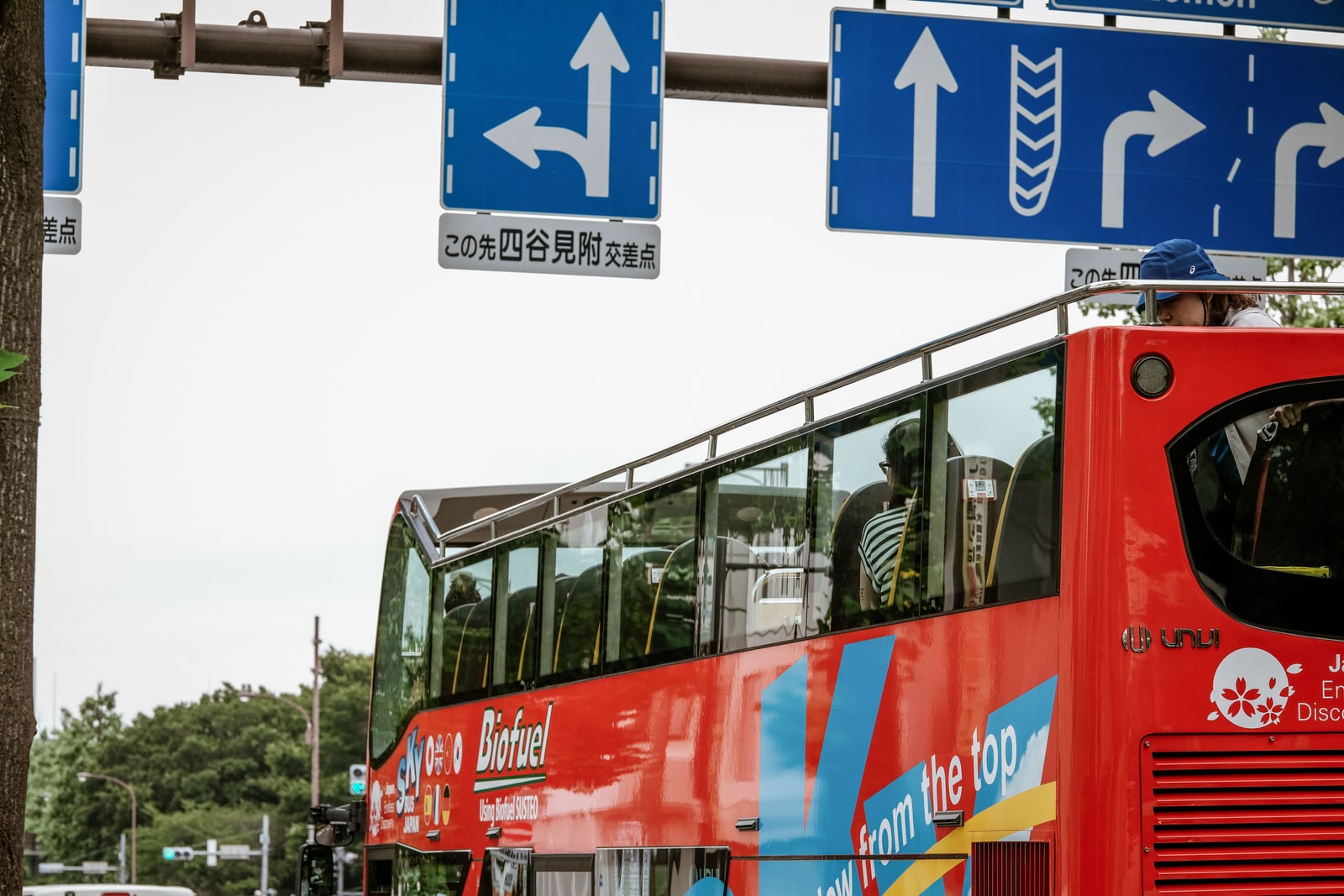
- Sky Bus T3. An open-top double-decker from Marunouchi that crosses Rainbow Bridge and passes Tokyo Tower in about 50 minutes, ¥2,200 on weekdays. No license, and nobody has to drive.
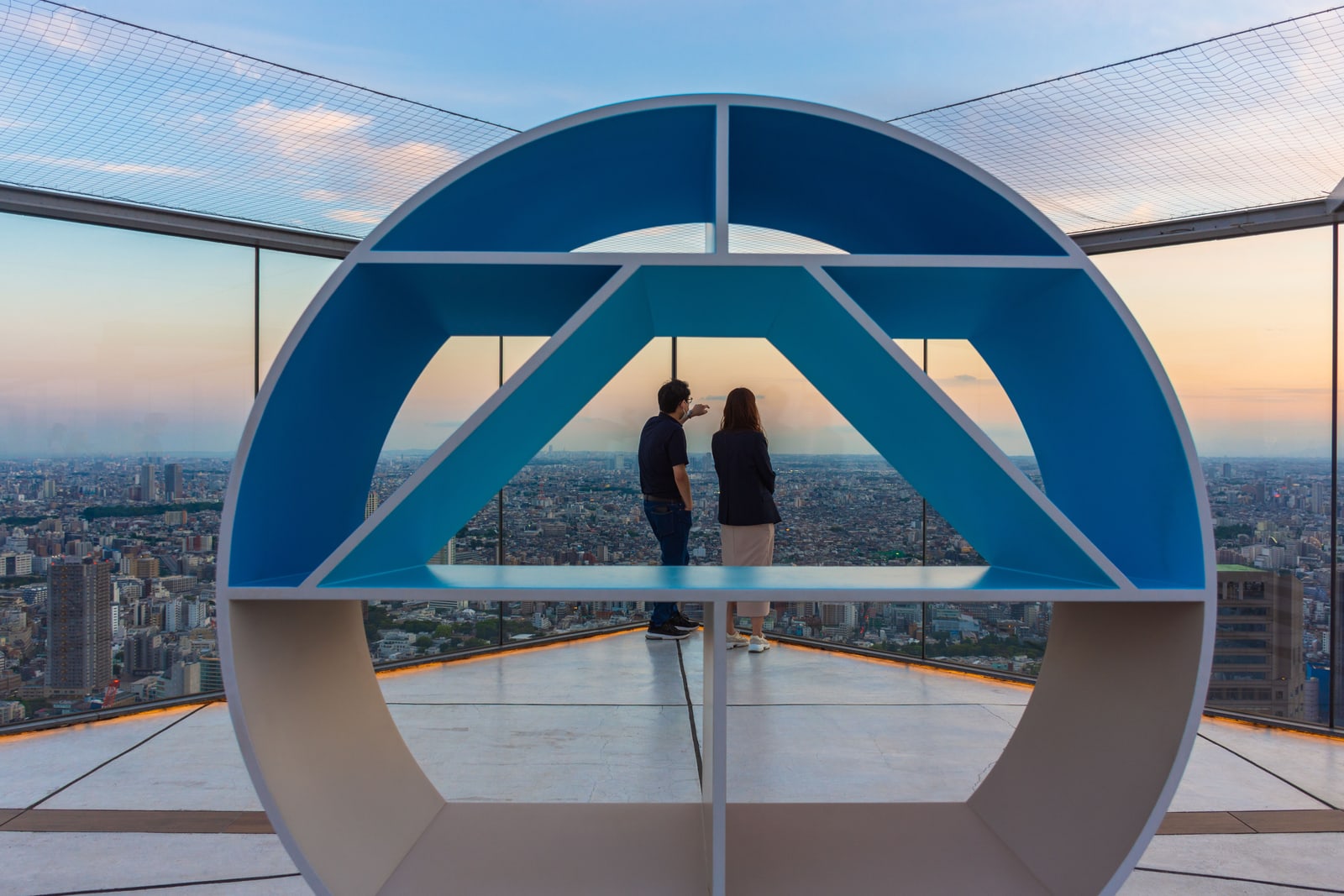
- A view deck. Tokyo from above instead of from the curb. Which one fits your evening is its own decision: Shibuya Sky vs Tokyo Skytree vs Tokyo Tower.
- An indoor half-day if rain is the problem: teamLab Planets or teamLab Borderless.
Booking the slot, and the day worked through
If every driver in your group has a 1949 IDP or one of the six official translations, wants to drive, and the weather rule of the shop suits your date, book the course that matches your time: the bay for Rainbow Bridge and about two hours, Shibuya for about one. Book a named slot, and check on the listing which shop runs it, where it starts, the documents it accepts, and what happens if it rains.
IDP in hand and the bay course picked?
2 Hour Street Go-kart Experience in Tokyo Bay on Klook
Klook sells a two-hour street go-kart experience in Tokyo Bay. Check the start point, accepted documents, weather policy and cancellation terms on the listing.
Check the Tokyo Bay go-kart on Klook →Sold on Klook (Klook Travel Technology Limited), an online travel agency. The listing is titled as a two-hour street go-kart experience in Tokyo Bay. Driving still needs a 1949 Geneva Convention International Driving Permit or an official Japanese translation, whoever sells the seat. Before you pay, check on the listing: which shop runs it and where it starts, the documents it accepts, the weather policy, and the change and cancellation terms.
A worked example, from the pages above. Two friends from the United States, both with 1949 IDPs issued at home, want the bay:
- Before the flight: IDP, home license and passport, originals, in one bag.
- On the day: at Street Kart’s Tokyo Bay shop 30 minutes before the slot. Shinkiba Station is on the JR Keiyo, Tokyo Metro Yurakucho and Rinkai lines, 10 to 13 minutes’ walk away.
- At the counter: documents checked, wristband, questionnaire, bags stored, costume if you want one, safety briefing.
- On the road: about 1.5 to 2 hours, over Rainbow Bridge and back.
One of them with only a 1968 IDP? That one takes the Sky Bus.
Next
Open your permit and read the cover. If it says 1949 and you are 18 or older, choose the route and book the slot. If it does not, book the bus or a deck tonight and keep the half-day.